
ow to Choose the Right Paper Stock for Your Board Game | Xingyuan Print

JINHAO XINGYUAN
Packaging Industry Analyst
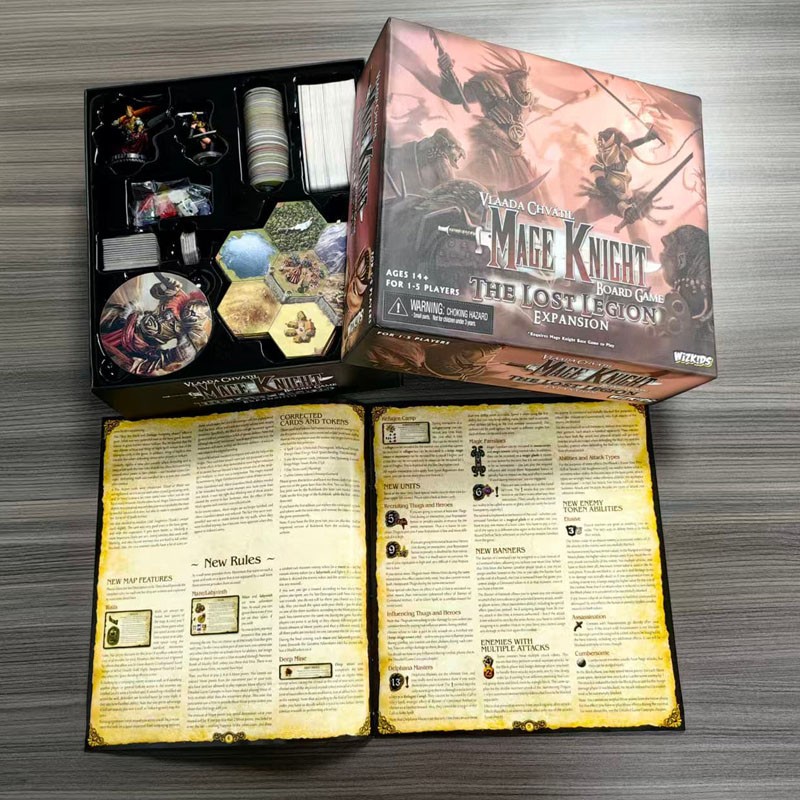
How to Choose the Right Paper Stock for Your Board Game
Choosing the right paper stock is one of the most important decisions in board game manufacturing. The paper affects print quality, card shuffle feel, board rigidity, box durability, shelf appeal, and even customs/compliance documentation.
If you are a publisher, Kickstarter creator, or brand owner, you do not need to memorize every paper grade. You need to match material + finish + budget + target market to the player experience you promised backers.
At Xingyuan Print, we have manufactured custom board games, card games, RPG books, miniatures, and colored packaging boxes since 2003. This guide explains paper stock the way our engineering team explains it to buyers—practical, not academic.
Quick answer: which paper stock should you choose?
Cards: 300–350 gsm coated card stock; blue core or black core for premium TCG/board game cards
Game boards: 157 gsm art paper mounted on 1.2–2.0 mm greyboard
Boxes: 157 gsm art paper + 1.5–2.5 mm greyboard; corrugated E-flute for shipping
Rulebooks: 115–157 gsm art paper; 128–200 gsm for premium booklets
Eco projects: FSC-certified art paper, kraft, CCNB, recycled greyboard
Luxury editions: black core cards + soft-touch lamination + spot UV + foil + rigid box
If you remember one rule: cards need opacity and snap, boards need flatness and fold resistance, boxes need structure, and rulebooks need readable paper.
Understand the 3 numbers buyers actually care about
1. GSM (grams per square meter)
GSM measures paper weight/thickness.
115–128 gsm: rulebooks, inserts, instruction sheets
157 gsm: art paper for boxes and boards
250–300 gsm: standard cards, punchboards, token sheets
300–350 gsm: premium cards
350 gsm+: collector cards, heavy component boards
Higher GSM usually means better durability, but also higher freight weight and cost.
2. Core type (for cards)
Game cards are often made from layered paper with a middle “core”:
White/Ivory core: cost-effective, good for casual/family games
Blue/Grey core: better opacity and stiffness, common mid-tier board game cards
Black core: premium, near 100% opacity, best for high-end and collectible cards
PVC/plastic cards: waterproof and very durable, but different print/feel and higher cost
Xingyuan Print supports white/black/blue/grey core and specialty stocks for card and board game production.
3. Board thickness (greyboard / chipboard)
Greyboard gives boxes and boards their structure.
1.0–1.2 mm: lighter tuck boxes, small components
1.5–2.0 mm: standard lid-bottom game boxes
2.0–3.0 mm: rigid/collector boxes, heavy component games
1.2–2.0 mm mounted boards: folding game boards
A 157 gsm art paper + 1.5 mm greyboard lid-bottom box is one of the most common retail game configurations.
Paper stock by component
Game cards
Choose based on play frequency.
Use case | Recommended stock | Feel |
|---|---|---|
Promo / prototype | 250–280 gsm art paper | economical |
Family/casual game | 300 gsm blue core | balanced |
Strategy/TCG | 320–350 gsm blue/black core | durable, crisp edges |
Collector/deluxe | 330–350 gsm black core + linen finish | premium |
Add linen finish for reduced glare and better grip. Add matte/gloss lamination or aqueous coating for smear and fingerprint resistance.
Game boards
Typical construction:
157 gsm C2S art paper + 1.2 / 1.5 / 2.0 mm greyboard + back paper
Finish options:
Matte lamination: modern, low glare
Gloss lamination: vibrant, easy to wipe
Linen wrap: deluxe tabletop feel
Spot UV: highlight map routes, logos, titles
Boards must survive folding/unfolding, so mounting tension and humidity control matter more than raw paper price.
Boxes and packaging
A Custom Packaging Box Manufacturer should help you choose box board by weight, not just by looks.
Tuck box: lighter card + coating
Lid-bottom box: 157 gsm art paper + 1.5–2.0 mm greyboard
Magnetic rigid box: 157 gsm art paper + 2.0–3.0 mm greyboard + magnet
Mailer/shipper: E-flute corrugated
Window box: PET/PVC window + coated board
Xingyuan’s packaging range includes general boxes, exquisite boxes, Spot UV specialty boxes, and plastic boxes—so the paper decision is tied to finishing capability, not just material cost.
Rulebooks and RPG books
115–128 gsm: basic manuals
128–157 gsm art paper: standard rulebooks
157–200 gsm: premium booklets
Soft-touch cover + spot UV title: upgrade path for RPG publishers
Text readability, ink dry time, and binding type (saddle stitch / perfect bound / spiral) all affect paper choice.
Inserts and punchboards
250 gsm CCNB + 900 gsm greyboard: common punchboard/token sheet
Chipboard trays: structural organization
EVA foam: miniatures and premium inserts
Die-cut cardboard: cost-effective component organization
Inserts are often forgotten, but they drive the “premium unboxing” feeling backers notice immediately.
Coated vs uncoated: what changes for buyers
Coated paper / art paper: better color vibrancy, smoother surface, better for CMYK + Pantone printing
Uncoated paper: more writable, softer, often used for manuals/notebooks
Kraft: rustic/eco look, weaker color saturation
FSC paper: responsible sourcing, often required by EU/US retailers
Recycled board: good for sustainability messaging, needs print/color checks
Xingyuan Print offers art paper, white cardboard, CCNB, kraft, greyboard, white/black/blue/grey core, composite paper, special paper, and FSC-certified options.
How paper stock affects printing and color
Paper is not neutral. The same CMYK file can look different on kraft vs coated art paper.
Buyer checklist:
Use CMYK for process color, Pantone for brand-specific colors
Request printed pre-production sample, not just PDF proof
Check color under daylight + retail lighting
Confirm reorder color-control process
For dark art, use black core cards to avoid see-through backs
For foil/spot UV, make sure coating and registration are tested
A good factory controls color across batches. A cheap factory just says “no problem.”
Common buyer mistakes when choosing paper stock
Choosing the cheapest 250 gsm card for a heavy TCG → edge wear, bending
Using kraft for vibrant art → disappointed backers
Skipping lamination on children’s games → fingerprints and scratches
Over-specifying black core for a simple promo deck → unnecessary cost
Forgetting freight weight → 350 gsm cards + rigid box = higher shipping
No pre-production sample → mass production surprise
Paper stock recommendation by game type
Family/casual game: 300 gsm blue core cards, 1.5 mm box, matte lamination
Strategy game with 500+ cards: 320–350 gsm blue/black core, linen finish, custom trays
Kickstarter deluxe edition: black core cards + spot UV board + magnetic rigid box
Children’s game: coated/laminated components, round corners, EN71/ASTM-friendly materials
RPG book + box set: 157 gsm interior + soft-touch cover + lid-bottom box
Eco brand: FSC art paper, kraft tray, soy-based inks, recyclable lamination
FAQ: paper stock for board games
What GSM is best for board game cards?
300 gsm is a common mid-tier choice. 320–350 gsm is better for heavy-use or premium decks. 250–280 gsm works for promos and prototypes.
Is black core better than blue core?
Black core has higher opacity and a more premium feel, often used in collector and TCG projects. Blue core is a strong mid-tier option with better cost efficiency.
What paper is used for board game boxes?
Usually 157 gsm art paper wrapped on 1.5–2.5 mm greyboard. Shipping cartons use corrugated board; retail boxes use greyboard + coated wrap.
Can I use FSC paper for custom games?
Yes. FSC-certified art paper, kraft, and greyboard options are available for brands that need responsible-sourcing documentation.
Should rulebooks be gloss or matte?
Gloss looks vibrant; matte reduces glare and feels premium. For text-heavy RPG books, matte or silk finish usually reads better under table lighting.
How do I avoid color difference between sample and mass production?
Use CMYK + Pantone specs, approve a printed physical sample, and ask the manufacturer for batch color control. Xingyuan Print uses offset/digital/screen printing with CMYK/Pantone color matching.
Buyer inquiry template for paper stock
Hi Xingyuan team,
We are developing a custom board game and need material recommendations.
Game type: ___
Cards: qty ___ / size ___ / 300–350 gsm / blue or black core / linen finish?
Boards: folded panels ___ / 157 gsm + ___ mm greyboard / matte or gloss?
Box: tuck / lid-bottom / magnetic rigid / E-flute shipper
Inserts: punchboard tray / EVA / cardboard divider / none
Rulebook: ___ pages / 128–157 gsm / saddle stitch or perfect bound
Market: US / EU / UK
Compliance: FSC / EN71 / ASTM if required
Need: material proposal + white sample + printed pre-pro sample
Please advise paper stock, unit price by MOQ, sample lead time, and production lead time.
Sending this gets you engineering advice instead of a copy-paste quote.
Why this matters when choosing a Custom Packaging Box Manufacturer
Paper stock is not just a spec sheet item. It decides whether your game feels premium in a backer’s hands.
Xingyuan Print combines:
22+ years of printing/manufacturing since 2003
10,000+ sqm Dongguan facility
packaging + cards + boards + books + miniatures in one workflow
FSC/ISO9001-aligned quality system
CMYK/Pantone color control
matte/gloss/soft-touch lamination, spot UV, foil, emboss, linen finish
MOQ-friendly runs for publishers and crowdfunding creators
If you only need “a box,” any printer can help.
If you need a game-grade, retail-grade, collector-grade product, the paper decision should be made with your manufacturer—before artwork is finalized.
Read more: Board Game Manufacturing · Card Game Printing · Custom Packaging Box Manufacturer · Spot UV Specialty Boxes
You May Also Like
Spot UV Printing Specialty
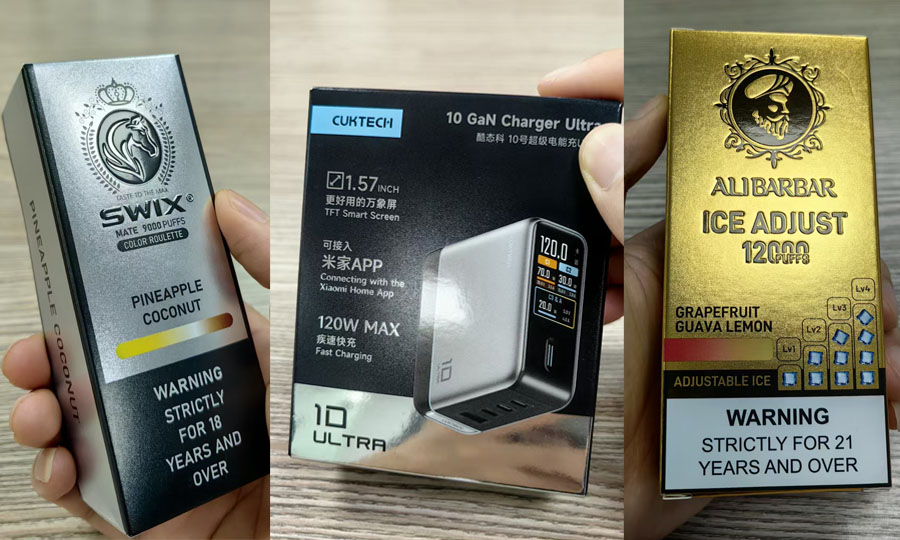
Spot UV printing (local UV coating) applies glossy UV varnish to selected areas, cured by UV light for 3D texture. Learn types, process, screen vs flexo, and packaging uses....
Read more
ow to Choose the Right Paper Stock for Your Board Game | Xingyuan Print
Learn how board game publishers choose card stock, greyboard, art paper, and FSC materials. A buyer guide from Xingyuan Print, custom packaging box manufacturer since 2003....
Read more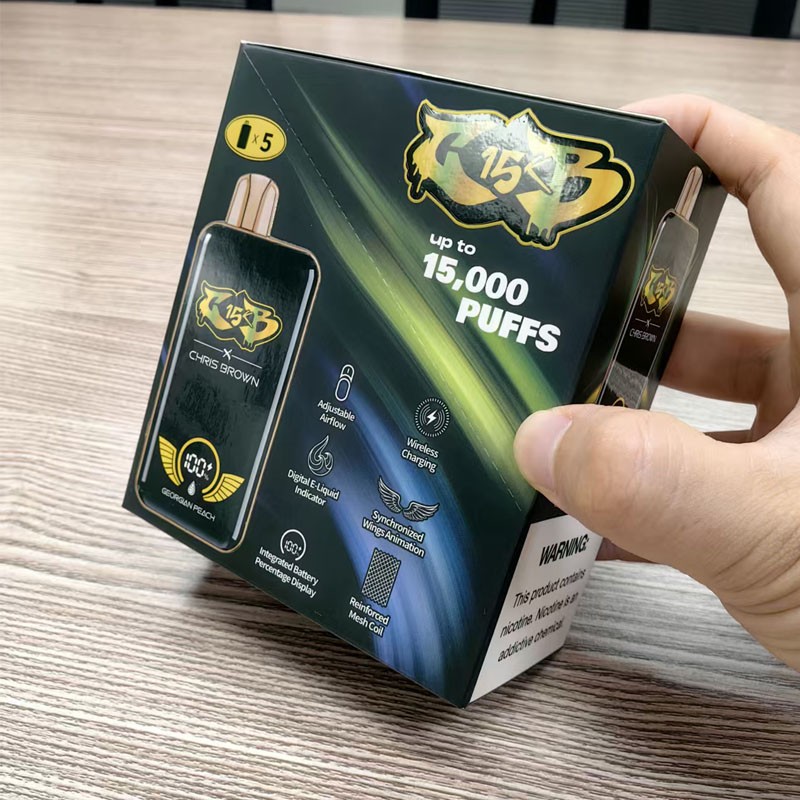
What a Buyer Should Ask a Custom Packaging Box Manufacturer Before Ordering in China
If you are sourcing packaging for board games, card games, cosmetics, electronics, or collector editions, the real question is not “Who is the cheapest box printer?”The real question is: can this Custom Packaging Box Manufacturer engineer the structure, hold color across reorders, and ship export-...
Read more