
Card Game Manufacturing: Processes, Trends, and Strategic Insights for Publishers

JINHAO XINGYUAN
Packaging Industry Analyst
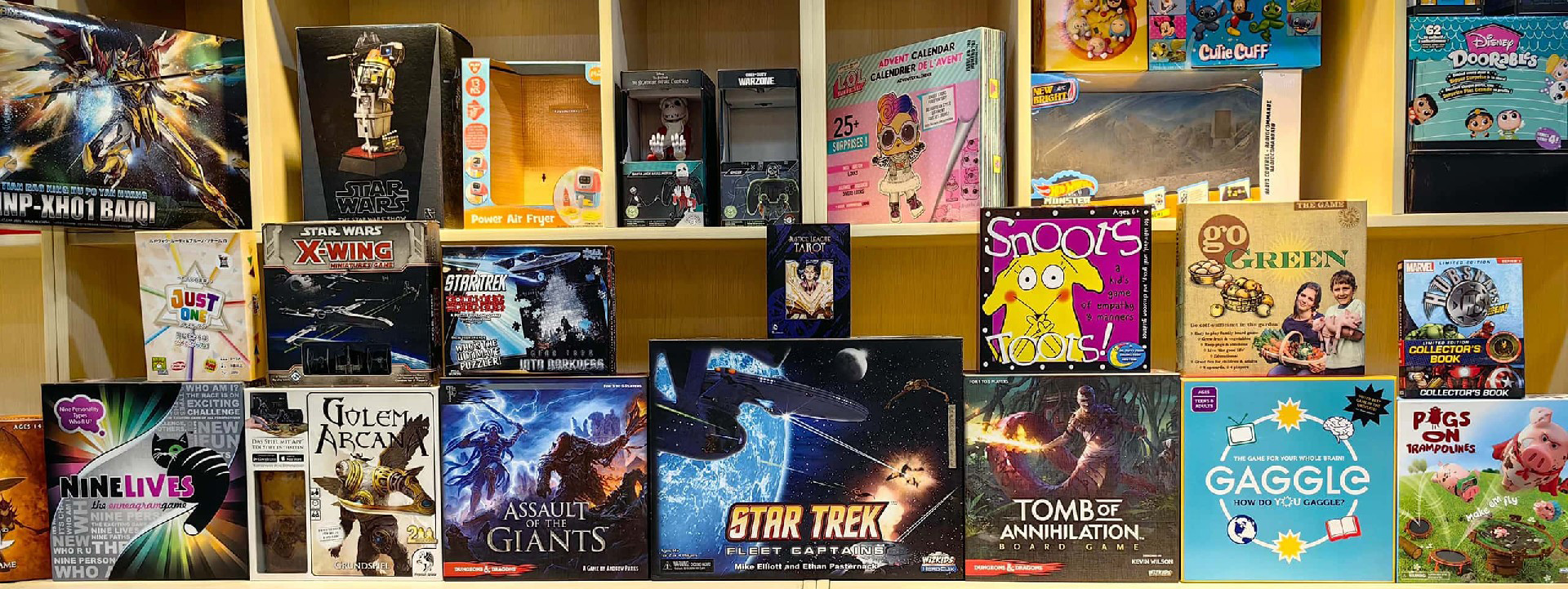
Card game manufacturing is a specialized sector within the global entertainment production industry, defined by its focus on precision, material science, and alignment with evolving consumer preferences. As the demand for tabletop gaming experiences continues to rise—driven by a resurgence in social interaction, collector culture, and the appeal of tangible entertainment—card game manufacturers and publishers must navigate a complex landscape of production workflows, quality standards, and market dynamics. This comprehensive guide explores the core components of card game manufacturing, key considerations for stakeholders, emerging industry trends, and data-backed insights to support strategic decision-making, tailored to meet the requirements of Google’s search algorithm for authoritative, user-centric content.
Core Workflows in Card Game Manufacturing
Card game manufacturing is a structured, multi-phased process that requires meticulous planning and execution to ensure product quality, functionality, and market readiness. From pre-production design validation to post-production distribution preparation, each phase is interdependent and critical to the overall success of the final product. Below is a detailed breakdown of the end-to-end manufacturing workflow, a key focus for businesses researching card game manufacturing best practices.
1. Pre-Production: Foundation for Quality and Alignment
The pre-production phase establishes the parameters for manufacturing success, ensuring that the final product aligns with publisher objectives, target audience needs, and regulatory requirements. This phase is where critical decisions about design, materials, and prototyping are made—all of which directly impact subsequent production efficiency and end-user satisfaction.
Design Finalization & File Preparation: A critical first step in card game manufacturing, design finalization involves refining artwork, card layouts, textual content (including game mechanics, statistical data, and branding elements), and ensuring all files meet print-ready specifications. High-resolution assets (minimum 300 DPI) are non-negotiable to avoid print degradation, while color consistency—achieved through the Pantone Matching System (PMS)—ensures that designs translate accurately from digital prototypes to physical cards. Publishers and manufacturers must also validate file compatibility with printing equipment to prevent formatting errors, a common pain point in small-batch card game manufacturing.
Material Selection: Balancing Durability, Cost, and Experience: Card stock selection is a defining factor in card game manufacturing, as it influences product longevity, tactile experience, and cost structures. Common materials include coated/uncoated paper (250-300 GSM for casual games), premium cardboard (300-350 GSM for collectible card games/CCGs), and polymer substrates (PVC/PET for high-durability applications, such as children’s games or tournament-grade cards). Environmental considerations are increasingly prioritized, with FSC-certified, recycled, or biodegradable materials becoming standard for sustainable card game manufacturing practices. Manufacturers may also recommend specialized materials based on gameplay frequency—for example, laminated stock for cards subjected to repeated shuffling.
Prototyping & Validation: Prototyping is an indispensable step in card game manufacturing, enabling publishers to test design integrity, material suitability, and functional performance before full-scale production. Digital proofs (PDFs) are used for initial design reviews, while physical prototypes—produced using the same materials and processes as the final product—allow for hands-on testing of shuffle-ability, text legibility, and color accuracy. This phase helps identify and resolve issues such as misaligned elements, suboptimal material choices, or print defects, reducing the risk of costly rework during mass production. For indie publishers and small businesses, prototyping is a key investment in mitigating risks associated with custom card game manufacturing.
2. Production: Precision Printing, Cutting, and Finishing
The production phase transforms validated prototypes into finished cards, leveraging specialized equipment and technical expertise to ensure consistency and quality at scale. This phase is where the choice of printing technology, cutting precision, and finishing techniques directly impact the product’s aesthetic appeal, durability, and market competitiveness—critical factors for businesses evaluatingcard game manufacturing partners.
Printing Technologies: Offset vs. Digital for Card Game Manufacturing: The two primary printing methods in card game manufacturing are offset lithography and digital printing, each suited to different production volumes and requirements. Offset printing is ideal for high-volume runs (10,000+ units), offering superior color consistency, high print quality, and economies of scale—making it the preferred choice for large publishers and mainstream CCGs. Digital printing, by contrast, is optimized for low-volume runs (5,000- units) or customized products (e.g., personalized decks, niche indie games), with shorter setup times, flexible order quantities, and lower upfront costs. For businesses seeking on-demand card game manufacturing, digital printing is the most efficient and cost-effective solution, enabling just-in-time production and reduced inventory waste.
Precision Cutting: Ensuring Dimensional Accuracy: Post-printing, large sheets of card stock are cut into individual cards using specialized equipment—guillotines for standard rectangular shapes and die-cutters for custom geometries (e.g., rounded corners, unique silhouettes). Dimensional accuracy is paramount in card game manufacturing, as even minor deviations (±0.1mm) can result in misaligned cards, compromised shuffle-ability, or inconsistent packaging fit. Manufacturers employ computerized cutting systems to maintain precision, with quality checks at this stage to remove any irregularities—a critical step for premium card game manufacturing where quality perception drives collector demand.
Finishing Techniques: Enhancing Durability and Value: Finishing processes are a key differentiator in card game manufacturing, adding durability, aesthetic appeal, and perceived value to the final product. Common techniques include lamination (matte or glossy, to resist wear and tear), varnishing (spot UV for targeted shine on key design elements), foil stamping (metallic accents for premium CCGs), embossing/debossing (tactile texture), and edge coloring (to match branding or design themes). Matte lamination is particularly popular for tournament-grade cards, as it reduces glare and improves grip during gameplay. These techniques are often tailored to the target audience—for example, child-friendly games may prioritize thick lamination for durability, while collector-focused products may incorporate holographic foil for exclusivity.
3. Post-Production: Assembly, Packaging, and Quality Assurance
The post-production phase focuses on preparing the finished cards for market, encompassing assembly, packaging, and rigorous quality control (QC). This phase ensures that the product is complete, protected, and compliant with industry standards—essential for building brand trust and reducing returns in card game manufacturing.
Assembly & Component Integration: Assembly involves sorting cards by set, rarity, or suit; collating them into decks; and integrating additional components (e.g., rulebooks, tokens, dice, or promotional inserts). For CCGs, this may include randomization of rare cards to maintain collectibility—a process that requires strict quality control to ensure fairness. Automated sorting systems are increasingly used in high-volume card game manufacturing to improve efficiency and reduce human error, while small-batch productions may rely on manual assembly for greater attention to detail.
Packaging: Protection and Brand Messaging: Packaging serves dual purposes in card game manufacturing: protecting the product during shipping and retail handling, and communicating brand value to consumers. Common packaging options include tuck boxes (cost-effective for small decks), rigid boxes (premium for collector editions), blister packs (for individual cards or starter sets), and custom sleeves (for tournament use). Sustainable packaging—using recyclable or biodegradable materials—is a growing trend in eco-friendly card game manufacturing, aligning with consumer demand for environmentally responsible products. Packaging design must also include key information: age range, number of players, game type, and branding—elements that improve discoverability in retail and online markets.
Quality Control (QC): Mitigating Defects and Ensuring Compliance: QC is an ongoing process in card game manufacturing, with checks conducted at every phase to identify and resolve defects. Post-production QC includes verifying print quality (color accuracy, no smudges/scratches), dimensional consistency, component completeness, packaging integrity, and compliance with safety standards (e.g., CE, ASTM F963, CPSIA for children’s products). Defective products are either reworked or discarded, with root-cause analysis implemented to prevent recurrence. For businesses outsourcing card game manufacturing, robust QC processes are a key criterion for selecting a manufacturing partner, as they directly impact product reputation and customer satisfaction.
Key Considerations for Card Game Manufacturing Stakeholders
Success in card game manufacturing requires aligning production strategies with market demand, budget constraints, and target audience needs. Below are critical factors for publishers, indie creators, and businesses evaluating card game manufacturing options—insights that support data-driven decision-making and reduce time-to-market.
1. Target Audience & Game Type Alignment
Manufacturing decisions must be tailored to the target audience and game type. For example, children’s card games require durable, non-toxic materials and rounded edges (to comply with safety standards), while adult collectors prioritize premium finishes (foil, embossing) and limited-edition packaging. Competitive tournament games demand consistent card thickness and shuffle-ability, making high-grade laminated stock a necessity. Understanding these nuances is essential for optimizing card game manufacturing investments and ensuring product-market fit.
2. Budget, Production Volume, and Cost Optimization
Budget and production volume are tightly linked in card game manufacturing: high-volume runs (10,000+ units) leverage economies of scale to reduce per-unit costs, while low-volume runs (1,000-5,000 units) incur higher per-unit expenses but lower upfront investment. Publishers must balance these factors with market demand—for example, indie creators may start with small-batch card game manufacturing (digital printing) to test market response before scaling to offset printing. Manufacturers can help optimize costs by recommending material alternatives, streamlining designs, or bundling production runs—strategies that are particularly valuable for businesses new to card game manufacturing.
3. Regulatory Compliance & Safety Standards
Card game manufacturing is subject to local and international safety standards, particularly for products targeting children. Compliance requirements include testing for harmful substances (lead, phthalates), ensuring packaging does not pose choking hazards, and obtaining certifications such as CE (EU), ASTM F963 (US), or CPSIA (US). Non-compliance can result in product recalls, fines, and reputational damage—making it critical for manufacturers to maintain up-to-date knowledge of regulatory changes. For businesses operating globally, partnering with a card game manufacturing provider with international compliance expertise is essential.
4. Sustainability: A Growing Priority in Card Game Manufacturing
Consumer demand for sustainable products is driving a shift toward eco-friendly practices in card game manufacturing. This includes using recycled or FSC-certified card stock, soy-based (low-VOC) inks, recyclable packaging, and carbon-neutral production processes. Many manufacturers now offer sustainable card game manufacturing packages, enabling publishers to reduce their environmental footprint while appealing to eco-conscious consumers. Sustainability is no longer a niche consideration but a competitive advantage—particularly for brands targeting millennial and Gen Z audiences.
Emerging Trends Shaping the Future of Card Game Manufacturing
The card game manufacturing industry is evolving rapidly, driven by technological advancements, changing consumer preferences, and market innovation. Staying ahead of these trends is critical for businesses seeking to differentiate their products and optimize card game manufacturing processes. Below are the most impactful emerging trends:
1. Customization & Personalization at Scale
Digital printing technology has made customization a mainstream offering in card game manufacturing, enabling small-batch, personalized products such as custom wedding decks, corporate branded games, or player-specific CCG cards. This trend is particularly popular among indie creators and niche brands, as it allows for targeted marketing and enhanced consumer engagement. Custom card game manufacturing is expected to grow as consumers increasingly seek unique, tangible experiences—making it a key area for manufacturers to invest in.
2. Premiumization: Differentiating Through Quality
To stand out in a crowded market, publishers are prioritizing premium card game manufacturing—using high-end materials (e.g., metal accents, holographic foil, leather-bound packaging), advanced finishing techniques (spot UV, embossing), and limited-edition runs. Premium card games command higher price points and appeal to collector audiences, driving revenue growth for manufacturers and publishers alike. This trend is supported by the growing global CCG market, which values exclusivity and aesthetic quality.
3. Digital-Physical Integration (Phygital Gaming)
The integration of digital and physical elements—known as phygital gaming—is transforming card game manufacturing. This includes printing QR codes on cards that link to digital content (e.g., game tutorials, online tournaments, or digital card collections), or companion apps that enhance gameplay. Manufacturers are adapting by incorporating QR code printing, ensuring digital-physical alignment, and producing cards compatible with augmented reality (AR) experiences. This trend bridges the gap between traditional tabletop gaming and digital entertainment, expanding the appeal of card games to tech-savvy audiences.
4. On-Demand Manufacturing: Agility and Efficiency
On-demand (print-on-demand) card game manufacturing is gaining traction, particularly among indie publishers and niche brands. This model allows for small-batch production as needed, reducing inventory costs, minimizing waste, and enabling faster time-to-market. On-demand card game manufacturing is ideal for testing new game concepts, fulfilling custom orders, or maintaining stock of low-demand products. As digital printing technology improves, on-demand production is becoming more cost-competitive—making it a viable alternative to traditional high-volume manufacturing for many businesses.
Card Game Manufacturing: Market Data & Industry Insights
Understanding market dynamics is critical for businesses involved in card game manufacturing, as it informs production strategies, investment decisions, and market positioning. Below are key data points from authoritative industry reports, providing a snapshot of the global card game manufacturing landscape:
1. Global Market Size & Growth Projections
The global playing cards and board games market—encompassing card game manufacturing—was valued at USD 16.7 billion in 2025 and is projected to grow at a CAGR of 9.8% through 2034, reaching USD 38.7 billion . Within this sector, the global turn-based card game market (a core segment of card game manufacturing) was estimated at USD 500.55 million in 2024, with an expected CAGR of 8.50% during the forecast period. Growth is driven by increased demand for social gaming experiences, nostalgia-driven purchases, and the rising popularity of tabletop gaming as an alternative to digital entertainment—trends that directly benefit card game manufacturing businesses.
2. Regional Growth: China’s CCG Market Boom
The Chinese collectible card game (CCG) market is a major growth driver for globalcard game manufacturing, with its market size surging from CNY 2.8 billion (2019) to CNY 13.3 billion (2023)—a CAGR of 31.49% . Production volume in China has expanded in tandem, with CCG output increasing from 133 million packs (2019) to 569 million packs (2023). The market maintains a 95%+ sales rate, prompting manufacturers to double raw material production capacity to meet demand. This regional growth highlights the importance of Asia-Pacific as a key market for card game manufacturing stakeholders.
3. Segment-Specific Demand Drivers
The card game market is divided into competitive and collectible segments, both driving card game manufacturing demand. China’s competitive card game market grew from CNY 1.27 billion (2019) to CNY 6.02 billion (2023), while the collectible segment expanded to CNY 7.28 billion (2023)—catering to audiences ranging from children (e.g., Ultraman cards) to adult sports card collectors. Globally, premium and personalized card games are driving manufacturing diversification, with digital-physical integration further expanding market opportunities.
Choosing the Right Card Game Manufacturing Partner
Selecting a reliable, experienced manufacturing partner is the single most important decision for publishers and creators embarking on acard game manufacturing project. The right partner will align with your budget, production volume, quality standards, and sustainability goals—while providing technical expertise and responsive support. Below are key criteria to evaluate when selecting a card game manufacturing provider:
Industry Experience & Specialization: Prioritize manufacturers with a proven track record in card game manufacturing, particularly in your niche (e.g., CCGs, children’s games, custom decks). Experience ensures familiarity with industry best practices, quality standards, and common pitfalls.
Quality Control Processes: Evaluate the manufacturer’s QC protocols, including testing procedures, defect rates, and compliance certifications. Request samples of previous work to assess print quality, material durability, and finishing consistency.
Flexibility & Customization Capabilities: Choose a partner that can accommodate your specific needs, whether it’s small-batch production, custom materials, unique finishing techniques, or personalized designs. Flexibility is critical for adapting to market changes and fulfilling niche demand.
Pricing Transparency & Cost Efficiency: Look for manufacturers that provide clear, detailed pricing—with no hidden fees. A good partner will work with you to optimize costs (e.g., material recommendations, production bundling) without compromising quality.
Sustainability Practices: If eco-friendliness is a priority, verify that the manufacturer offers sustainable card game manufacturing options (recycled materials, soy inks, carbon-neutral production) and can provide relevant certifications.
Customer Service & Communication: Responsive communication is essential for successful card game manufacturing. Choose a partner that provides dedicated account management, regular production updates, and timely resolution of issues.
FAQ: Common Questions About Card Game Manufacturing
Below are answers to frequently asked questions about card game manufacturing, addressing key concerns and uncertainties faced by publishers, indie creators, and businesses entering the sector. These insights are tailored to address search intent and provide actionable guidance for stakeholders evaluating card game production options.
1. What is the minimum order quantity (MOQ) for card game manufacturing?
MOQs vary significantly based on the printing technology and manufacturer. For offset printing (ideal for high-volume runs), MOQs typically start at 10,000 units to justify setup costs. Digital printing, by contrast, offers much lower MOQs—often as low as 100 units—making it suitable for small-batch production, custom orders, or market testing. On-demand card game manufacturing services may have no fixed MOQ, allowing for single-unit or small-batch orders as needed.
2. How long does the card game manufacturing process take?
Production timelines depend on production volume, complexity, and pre-production requirements. For standard orders: pre-production (design finalization, prototyping) takes 2–4 weeks; production (printing, cutting, finishing) takes 3–6 weeks for high-volume offset runs and 1–2 weeks for low-volume digital runs; post-production (assembly, packaging, QC) adds 1–2 weeks. Total lead times typically range from 4–12 weeks. Rush orders may be available for an additional fee, reducing timelines by 20–30%.
3. What materials are best for durable card game manufacturing?
For maximum durability, prioritize thick, coated card stock (350+ GSM) with lamination (matte or glossy). Polymer substrates (PVC or PET) are ideal for extreme durability needs, such as children’s games or tournament-grade cards, as they are water-resistant and tear-proof. Lamination (especially matte) also enhances durability by protecting against wear, smudges, and fading from repeated shuffling and handling.
4. How much does card game manufacturing cost?
Costs vary based on volume, materials, finishing techniques, and packaging. For a standard 52-card deck (250 GSM card stock, basic lamination, tuck box): low-volume digital runs (1,000 units) cost $2–$4 per unit; high-volume offset runs (10,000+ units) cost $0.50–$1 per unit. Premium finishes (foil stamping, embossing), custom materials, or specialized packaging can increase costs by 30–100%. Manufacturers typically provide detailed quotes based on specific project requirements.
5. What certifications are required for card game manufacturing targeting children?
Cards targeting children (typically under 12) must comply with international safety standards. Key certifications include ASTM F963 (U.S.), CPSIA (U.S., for lead and phthalate limits), CE (EU), and EN 71 (EU). These certifications require testing for harmful substances, choking hazards (e.g., small components), and physical safety (e.g., rounded edges to prevent cuts). Reputable card game manufacturing partners will have experience with these certifications and can guide publishers through compliance.
6. Can I customize card designs for small-batch card game manufacturing?
Yes—digital printing technology enables full customization for small-batch card game manufacturing. This includes personalized artwork, text, or branding for niche audiences, corporate events, weddings, or individual collectors. Customization options range from minor design tweaks to fully unique card layouts and themes. Most manufacturers offer digital proofing for custom designs to ensure alignment before production.
7. How to ensure color consistency in card game manufacturing?
Color consistency is achieved through several steps: using high-resolution (300+ DPI) design files, specifying Pantone Matching System (PMS) colors (instead of RGB/CMYK) for critical elements, and requesting physical prototypes before full production. PMS colors ensure precise color matching across batches and materials. Reputable manufacturers also conduct in-line color checks during printing and provide digital or physical proofs for approval to validate color accuracy.
Conclusion
Card game manufacturing is a dynamic, technical sector that requires a deep understanding of production workflows, market trends, and consumer needs. From pre-production design validation to post-production quality control, every phase of the process contributes to the success of the final product. As the global demand for card games continues to grow—driven by social interaction, collector culture, and phygital innovation—stakeholders must prioritize quality, sustainability, and alignment with target audiences to remain competitive. By leveraging the insights outlined in this guide—including core workflows, key considerations, emerging trends, and market data—businesses can make informed decisions aboutcard game manufacturing, select the right partners, and bring high-quality, market-ready card games to consumers worldwide. For those researchingcard game manufacturing solutions, this guide serves as a foundational resource for navigating the complex but rewarding landscape of card game production.
books, tokens, dice, or promotional inserts). For CCGs, this may include randomization of rare cards to maintain collectibility—a process that requires strict quality control to ensure fairness. Automated sorting systems are increasingly used in high-volume card game manufacturing to improve efficiency and reduce human error, while small-batch productions may rely on manual assembly for greater attention to detail."},"attribs":{"0":"*0*1+w*0+fd"}},"apool":{"numToAttrib":{"0":["author","1854200466640988"],"1":["bold","true"]},"nextNum":2}},"align":""}},"BJPYff5tVdHvEEcLkkncChG3nNf":{"id":"BJPYff5tVdHvEEcLkkncChG3nNf","snapshot":{"type":"text","parent_id":"KJzOfg9IrdzKYTcR5mRcmuzmnAb","comments":[],"revisions":[],"locked":false,"hidden":false,"author":"1854200466640988","children":[],"text":{"initialAttributedTexts":{"text":{"0":"Packaging: Protection and Brand Messaging: Packaging serves dual purposes in card game manufacturing: protecting the product during shipping and retail handling, and communicating brand value to consumers. Common packaging options include tuck boxes (cost-effective for small decks), rigid boxes (premium for collector editions), blister packs (for individual cards or starter sets), and custom sleeves (for tournament use). Sustainable packaging—using recyclable or biodegradable materials—is a growing trend in eco-friendly card game manufacturing, aligning with consumer demand for environmentally responsible products. Packaging design must also include key information: age range, number of players, game type, and branding—elements that improve discoverability in retail and online markets."},"attribs":{"0":"*0*1+15*0+d4*0*1+10*0+6v"}},"apool":{"numToAttrib":{"0":["author","1854200466640988"],"1":["bold","true"]},"nextNum":2}},"align":""}},"FuHgfXYBQdEmsKcEqXycmnognLc":{"id":"FuHgfXYBQdEmsKcEqXycmnognLc","snapshot":{"type":"text","parent_id":"KJzOfg9IrdzKYTcR5mRcmuzmnAb","comments":[],"revisions":[],"locked":false,"hidden":false,"author":"1854200466640988","children":[],"text":{"initialAttributedTexts":{"text":{"0":"Quality Control (QC): Mitigating Defects and Ensuring Compliance: QC is an ongoing process in card game manufacturing, with checks conducted at every phase to identify and resolve defects. Post-production QC includes verifying print quality (color accuracy, no smudges/scratches), dimensional consistency, component completeness, packaging integrity, and compliance with safety standards (e.g., CE, ASTM F963, CPSIA for children’s products). Defective products are either reworked or discarded, with root-cause analysis implemented to prevent recurrence. For businesses outsourcing card game manufacturing, robust QC processes are a key criterion for selecting a manufacturing partner, as they directly impact product reputation and customer satisfaction."},"attribs":{"0":"*0*1+1s*0+ee*0*1+n*0+46"}},"apool":{"numToAttrib":{"0":["author","1854200466640988"],"1":["bold","true"]},"nextNum":2}},"align":""}},"Z6x9fACbQdUbdncGOJPcS3XSnDg":{"id":"Z6x9fACbQdUbdncGOJPcS3XSnDg","snapshot":{"type":"heading2","parent_id":"KJzOfg9IrdzKYTcR5mRcmuzmnAb","comments":[],"revisions":[],"locked":false,"hidden":false,"author":"1854200466640988","children":[],"text":{"initialAttributedTexts":{"text":{"0":"Key Considerations for Card Game Manufacturing Stakeholders"},"attribs":{"0":"*0+1n"}},"apool":{"numToAttrib":{"0":["author","1854200466640988"]},"nextNum":1}},"align":""}},"WtBkfqcliduxlUcbGdxcYh1QnVf":{"id":"WtBkfqcliduxlUcbGdxcYh1QnVf","snapshot":{"type":"text","parent_id":"KJzOfg9IrdzKYTcR5mRcmuzmnAb","comments":[],"revisions":[],"locked":false,"hidden":false,"author":"1854200466640988","children":[],"text":{"initialAttributedTexts":{"text":{"0":"Success in card game manufacturing requires aligning production strategies with market demand, budget constraints, and target audience needs. Below are critical factors for publishers, indie creators, and businesses evaluating card game manufacturing options—insights that support data-driven decision-making and reduce time-to-market."},"attribs":{"0":"*0+6b*0*1+n*0+2d"}},"apool":{"numToAttrib":{"0":["author","1854200466640988"],"1":["bold","true"]},"nextNum":2}},"align":""}},"RS0ffj8i1d9IcxcwkdxcWM9AnGh":{"id":"RS0ffj8i1d9IcxcwkdxcWM9AnGh","snapshot":{"type":"heading3","parent_id":"KJzOfg9IrdzKYTcR5mRcmuzmnAb","comments":[],"revisions":[],"locked":false,"hidden":false,"author":"1854200466640988","children":[],"text":{"initialAttributedTexts":{"text":{"0":"1. Target Audience & Game Type Alignment"},"attribs":{"0":"*0+14"}},"apool":{"numToAttrib":{"0":["author","1854200466640988"]},"nextNum":1}},"align":""}},"XfpAf7NaBdXOC1c0W1lcx7sen5c":{"id":"XfpAf7NaBdXOC1c0W1lcx7sen5c","snapshot":{"type":"text","parent_id":"KJzOfg9IrdzKYTcR5mRcmuzmnAb","comments":[],"revisions":[],"locked":false,"hidden":false,"author":"1854200466640988","children":[],"text":{"initialAttributedTexts":{"text":{"0":"Manufacturing decisions must be tailored to the target audience and game type. For example, children’s card games require durable, non-toxic materials and rounded edges (to comply with safety standards), while adult collectors prioritize premium finishes (foil, embossing) and limited-edition packaging. Competitive tournament games demand consistent card thickness and shuffle-ability, making high-grade laminated stock a necessity. Understanding these nuances is essential for optimizing card game manufacturing investments and ensuring product-market fit."},"attribs":{"0":"*0+dm*0*1+n*0+19"}},"apool":{"numToAttrib":{"0":["author","1854200466640988"],"1":["bold","true"]},"nextNum":2}},"align":""}},"Ic57fwaj7du7jEcd8MhcawhVnoe":{"id":"Ic57fwaj7du7jEcd8MhcawhVnoe","snapshot":{"type":"heading3","parent_id":"KJzOfg9IrdzKYTcR5mRcmuzmnAb","comments":[],"revisions":[],"locked":false,"hidden":false,"author":"1854200466640988","children":[],"text":{"initialAttributedTexts":{"text":{"0":"2. Budget, Production Volume, and Cost Optimization"},"attribs":{"0":"*0+1f"}},"apool":{"numToAttrib":{"0":["author","1854200466640988"]},"nextNum":1}},"align":""}},"YDzlfFkoRduWfgcsnOTcPZdvnib":{"id":"YDzlfFkoRduWfgcsnOTcPZdvnib","snapshot":{"type":"text","parent_id":"KJzOfg9IrdzKYTcR5mRcmuzmnAb","comments":[],"revisions":[],"locked":false,"hidden":false,"author":"1854200466640988","children":[],"text":{"initialAttributedTexts":{"text":{"0":"Budget and production volume are tightly linked in card game manufacturing: high-volume runs (10,000+ units) leverage economies of scale to reduce per-unit costs, while low-volume runs (1,000-5,000 units) incur higher per-unit expenses but lower upfront investment. Publishers must balance these factors with market demand—for example, indie creators may start with small-batch card game manufacturing (digital printing) to test market response before scaling to offset printing. Manufacturers can help optimize costs by recommending material alternatives, streamlining designs, or bundling production runs—strategies that are particularly valuable for businesses new to card game manufacturing."},"attribs":{"0":"*0+a6*0*1+z*0+7i*0*1+n*0+1"}},"apool":{"numToAttrib":{"0":["author","1854200466640988"],"1":["bold","true"]},"nextNum":2}},"align":""}},"XV9mf6hG5dNcZrcjbPMc6G1ZnHe":{"id":"XV9mf6hG5dNcZrcjbPMc6G1ZnHe","snapshot":{"type":"heading3","parent_id":"KJzOfg9IrdzKYTcR5mRcmuzmnAb","comments":[],"revisions":[],"locked":false,"hidden":false,"author":"1854200466640988","children":[],"text":{"initialAttributedTexts":{"text":{"0":"3. Regulatory Compliance & Safety Standards"},"attribs":{"0":"*0+17"}},"apool":{"numToAttrib":{"0":["author","1854200466640988"]},"nextNum":1}},"align":""}},"MTgRfPvLUdfojgcgfxZcKdAYn0f":{"id":"MTgRfPvLUdfojgcgfxZcKdAYn0f","snapshot":{"type":"text","parent_id":"KJzOfg9IrdzKYTcR5mRcmuzmnAb","comments":[],"revisions":[],"locked":false,"hidden":false,"author":"1854200466640988","children":[],"text":{"initialAttributedTexts":{"text":{"0":"Card game manufacturing is subject to local and international safety standards, particularly for products targeting children. Compliance requirements include testing for harmful substances (lead, phthalates), ensuring packaging does not pose choking hazards, and obtaining certifications such as CE (EU), ASTM F963 (US), or CPSIA (US). Non-compliance can result in product recalls, fines, and reputational damage—making it critical for manufacturers to maintain up-to-date knowledge of regulatory changes. For businesses operating globally, partnering with a card game manufacturing provider with international compliance expertise is essential."},"attribs":{"0":"*0+fj*0*1+n*0+1r"}},"apool":{"numToAttrib":{"0":["author","1854200466640988"],"1":["bold","true"]},"nextNum":2}},"align":""}},"Xe82fsdK6dIZbEcGcbacx2O7nef":{"id":"Xe82fsdK6dIZbEcGcbacx2O7nef","snapshot":{"type":"heading3","parent_id":"KJzOfg9IrdzKYTcR5mRcmuzmnAb","comments":[],"revisions":[],"locked":false,"hidden":false,"author":"1854200466640988","children":[],"text":{"initialAttributedTexts":{"text":{"0":"4. Sustainability: A Growing Priority in Card Game Manufacturing"},"attribs":{"0":"*0+1s"}},"apool":{"numToAttrib":{"0":["author","1854200466640988"]},"nextNum":1}},"align":""}},"DfM5f8ZaddjVf1cG0iqcQOqrn8e":{"id":"DfM5f8ZaddjVf1cG0iqcQOqrn8e","snapshot":{"type":"text","parent_id":"KJzOfg9IrdzKYTcR5mRcmuzmnAb","comments":[],"revisions":[],"locked":false,"hidden":false,"author":"1854200466640988","children":[],"text":{"initialAttributedTexts":{"text":{"0":"Consumer demand for sustainable products is driving a shift toward eco-friendly practices in card game manufacturing. This includes using recycled or FSC-certified card stock, soy-based (low-VOC) inks, recyclable packaging, and carbon-neutral production processes. Many manufacturers now offer sustainable card game manufacturing packages, enabling publishers to reduce their environmental footprint while appealing to eco-conscious consumers. Sustainability is no longer a niche consideration but a competitive advantage—particularly for brands targeting millennial and Gen Z audiences."},"attribs":{"0":"*0+8i*0*1+n*0+76"}},"apool":{"numToAttrib":{"0":["author","1854200466640988"],"1":["bold","true"]},"nextNum":2}},"align":""}},"AvVXf29UhdpvqicYZhUcrWSQnBg":{"id":"AvVXf29UhdpvqicYZhUcrWSQnBg","snapshot":{"type":"heading2","parent_id":"KJzOfg9IrdzKYTcR5mRcmuzmnAb","comments":[],"revisions":[],"locked":false,"hidden":false,"author":"1854200466640988","children":[],"text":{"initialAttributedTexts":{"text":{"0":"Emerging Trends Shaping the Future of Card Game Manufacturing"},"attribs":{"0":"*0+1p"}},"apool":{"numToAttrib":{"0":["author","1854200466640988"]},"nextNum":1}},"align":""}},"Iw4Xf8jygdx1hNcxs3uc4r9ineb":{"id":"Iw4Xf8jygdx1hNcxs3uc4r9ineb","snapshot":{"type":"text","parent_id":"KJzOfg9IrdzKYTcR5mRcmuzmnAb","comments":[],"revisions":[],"locked":false,"hidden":false,"author":"1854200466640988","children":[],"text":{"initialAttributedTexts":{"text":{"0":"The card game manufacturing industry is evolving rapidly, driven by technological advancements, changing consumer preferences, and market innovation. Staying ahead of these trends is critical for businesses seeking to differentiate their products and optimize card game manufacturing processes. Below are the most impactful emerging trends:"},"attribs":{"0":"*0+78*0*1+n*0+1l"}},"apool":{"numToAttrib":{"0":["author","1854200466640988"],"1":["bold","true"]},"nextNum":2}},"align":""}},"HSgYf7Czsd58hCcIimXcRlIon5e":{"id":"HSgYf7Czsd58hCcIimXcRlIon5e","snapshot":{"type":"heading3","parent_id":"KJzOfg9IrdzKYTcR5mRcmuzmnAb","comments":[],"revisions":[],"locked":false,"hidden":false,"author":"1854200466640988","children":[],"text":{"initialAttributedTexts":{"text":{"0":"1. Customization & Personalization at Scale"},"attribs":{"0":"*0+17"}},"apool":{"numToAttrib":{"0":["author","1854200466640988"]},"nextNum":1}},"align":""}},"LPRHfTua9dNauxc6iHiczYO4n6f":{"id":"LPRHfTua9dNauxc6iHiczYO4n6f","snapshot":{"type":"text","parent_id":"KJzOfg9IrdzKYTcR5mRcmuzmnAb","comments":[],"revisions":[],"locked":false,"hidden":false,"author":"1854200466640988","children":[],"text":{"initialAttributedTexts":{"text":{"0":"Digital printing technology has made customization a mainstream offering in card game manufacturing, enabling small-batch, personalized products such as custom wedding decks, corporate branded games, or player-specific CCG cards. This trend is particularly popular among indie creators and niche brands, as it allows for targeted marketing and enhanced consumer engagement. Custom card game manufacturing is expected to grow as consumers increasingly seek unique, tangible experiences—making it a key area for manufacturers to invest in."},"attribs":{"0":"*0+ae*0*1+u*0+3p"}},"apool":{"numToAttrib":{"0":["author","1854200466640988"],"1":["bold","true"]},"nextNum":2}},"align":""}},"BmFXfJbO4dfDYHchdIqcEJMnnJb":{"id":"BmFXfJbO4dfDYHchdIqcEJMnnJb","snapshot":{"type":"heading3","parent_id":"KJzOfg9IrdzKYTcR5mRcmuzmnAb","comments":[],"revisions":[],"locked":false,"hidden":false,"author":"1854200466640988","children":[],"text":{"initialAttributedTexts":{"text":{"0":"2. Premiumization: Differentiating Through Quality"},"attribs":{"0":"*0+1e"}},"apool":{"numToAttrib":{"0":["author","1854200466640988"]},"nextNum":1}},"align":""}},"ErLcf0ehmd531QcUfQ3cev2qndf":{"id":"ErLcf0ehmd531QcUfQ3cev2qndf","snapshot":{"type":"text","parent_id":"KJzOfg9IrdzKYTcR5mRcmuzmnAb","comments":[],"revisions":[],"locked":false,"hidden":false,"author":"1854200466640988","children":[],"text":{"initialAttributedTexts":{"text":{"0":"To stand out in a crowded market, publishers are prioritizing premium card game manufacturing—using high-end materials (e.g., metal accents, holographic foil, leather-bound packaging), advanced finishing techniques (spot UV, embossing), and limited-edition runs. Premium card games command higher price points and appeal to collector audiences, driving revenue growth for manufacturers and publishers alike. This trend is supported by the growing global CCG market, which values exclusivity and aesthetic quality."},"attribs":{"0":"*0+1y*0*1+n*0+bo"}},"apool":{"numToAttrib":{"0":["author","1854200466640988"],"1":["bold","true"]},"nextNum":2}},"align":""}},"Us6MfMOSXdi4rBcG3AVcr8IHnfZ":{"id":"Us6MfMOSXdi4rBcG3AVcr8IHnfZ","snapshot":{"type":"heading3","parent_id":"KJzOfg9IrdzKYTcR5mRcmuzmnAb","comments":[],"revisions":[],"locked":false,"hidden":false,"author":"1854200466640988","children":[],"text":{"initialAttributedTexts":{"text":{"0":"3. Digital-Physical Integration (Phygital Gaming)"},"attribs":{"0":"*0+1d"}},"apool":{"numToAttrib":{"0":["author","1854200466640988"]},"nextNum":1}},"align":""}},"EjowfQnnAdogr8cMLybc5bcfnhh":{"id":"EjowfQnnAdogr8cMLybc5bcfnhh","snapshot":{"type":"text","parent_id":"KJzOfg9IrdzKYTcR5mRcmuzmnAb","comments":[],"revisions":[],"locked":false,"hidden":false,"author":"1854200466640988","children":[],"text":{"initialAttributedTexts":{"text":{"0":"The integration of digital and physical elements—known as phygital gaming—is transforming card game manufacturing. This includes printing QR codes on cards that link to digital content (e.g., game tutorials, online tournaments, or digital card collections), or companion apps that enhance gameplay. Manufacturers are adapting by incorporating QR code printing, ensuring digital-physical alignment, and producing cards compatible with augmented reality (AR) experiences. This trend bridges the gap between traditional tabletop gaming and digital entertainment, expanding the appeal of card games to tech-savvy audiences."},"attribs":{"0":"*0+h7"}},"apool":{"numToAttrib":{"0":["author","1854200466640988"]},"nextNum":1}},"align":""}},"MQIPfuD8sdi0mZcmF85c4t6Onkb":{"id":"MQIPfuD8sdi0mZcmF85c4t6Onkb","snapshot":{"type":"heading3","parent_id":"KJzOfg9IrdzKYTcR5mRcmuzmnAb","comments":[],"revisions":[],"locked":false,"hidden":false,"author":"1854200466640988","children":[],"text":{"initialAttributedTexts":{"text":{"0":"4. On-Demand Manufacturing: Agility and Efficiency"},"attribs":{"0":"*0+1e"}},"apool":{"numToAttrib":{"0":["author","1854200466640988"]},"nextNum":1}},"align":""}},"U5QcfFslTdkuDPcXGl6cumHanie":{"id":"U5QcfFslTdkuDPcXGl6cumHanie","snapshot":{"type":"text","parent_id":"KJzOfg9IrdzKYTcR5mRcmuzmnAb","comments":[],"revisions":[],"locked":false,"hidden":false,"author":"1854200466640988","children":[],"text":{"initialAttributedTexts":{"text":{"0":"On-demand (print-on-demand) card game manufacturing is gaining traction, particularly among indie publishers and niche brands. This model allows for small-batch production as needed, reducing inventory costs, minimizing waste, and enabling faster time-to-market. On-demand card game manufacturing is ideal for testing new game concepts, fulfilling custom orders, or maintaining stock of low-demand products. As digital printing technology improves, on-demand production is becoming more cost-competitive—making it a viable alternative to traditional high-volume manufacturing for many businesses."},"attribs":{"0":"*0+7l*0*1+n*0+8c"}},"apool":{"numToAttrib":{"0":["author","1854200466640988"],"1":["bold","true"]},"nextNum":2}},"align":""}},"Z85ffwpv2dptzRcvmGCcZQC2n1q":{"id":"Z85ffwpv2dptzRcvmGCcZQC2n1q","snapshot":{"type":"heading2","parent_id":"KJzOfg9IrdzKYTcR5mRcmuzmnAb","comments":[],"revisions":[],"locked":false,"hidden":false,"author":"1854200466640988","children":[],"text":{"initialAttributedTexts":{"text":{"0":"Card Game Manufacturing: Market Data & Industry Insights"},"attribs":{"0":"*0+1k"}},"apool":{"numToAttrib":{"0":["author","1854200466640988"]},"nextNum":1}},"align":""}},"LK1xfFZXzdLRh8cWCaFcBi2zn5D":{"id":"LK1xfFZXzdLRh8cWCaFcBi2zn5D","snapshot":{"type":"text","parent_id":"KJzOfg9IrdzKYTcR5mRcmuzmnAb","comments":[],"revisions":[],"locked":false,"hidden":false,"author":"1854200466640988","children":[],"text":{"initialAttributedTexts":{"text":{"0":"Understanding market dynamics is critical for businesses involved in card game manufacturing, as it informs production strategies, investment decisions, and market positioning. Below are key data points from authoritative industry reports, providing a snapshot of the global card game manufacturing landscape:"},"attribs":{"0":"*0+1x*0*1+n*0+61"}},"apool":{"numToAttrib":{"0":["author","1854200466640988"],"1":["bold","true"]},"nextNum":2}},"align":""}},"FVh0f7NTsdKHXOc1JNwcBHn9nUg":{"id":"FVh0f7NTsdKHXOc1JNwcBHn9nUg","snapshot":{"type":"heading3","parent_id":"KJzOfg9IrdzKYTcR5mRcmuzmnAb","comments":[],"revisions":[],"locked":false,"hidden":false,"author":"1854200466640988","children":[],"text":{"initialAttributedTexts":{"text":{"0":"1. Global Market Size & Growth Projections"},"attribs":{"0":"*0+16"}},"apool":{"numToAttrib":{"0":["author","1854200466640988"]},"nextNum":1}},"align":""}},"SxbMfTskvdzaDsc216ScOtJKnrc":{"id":"SxbMfTskvdzaDsc216ScOtJKnrc","snapshot":{"type":"text","parent_id":"KJzOfg9IrdzKYTcR5mRcmuzmnAb","comments":[],"revisions":[],"locked":false,"hidden":false,"author":"1854200466640988","children":[],"text":{"initialAttributedTexts":{"text":{"0":"The global playing cards and board games market—encompassing card game manufacturing—was valued at USD 16.7 billion in 2025 and is projected to grow at a CAGR of 9.8% through 2034, reaching USD 38.7 billion . Within this sector, the global turn-based card game market (a core segment of card game manufacturing) was estimated at USD 500.55 million in 2024, with an expected CAGR of 8.50% during the forecast period. Growth is driven by increased demand for social gaming experiences, nostalgia-driven purchases, and the rising popularity of tabletop gaming as an alternative to digital entertainment—trends that directly benefit card game manufacturing businesses."},"attribs":{"0":"*0+7z*0*1+n*0+8v*0*1+n*0+c"}},"apool":{"numToAttrib":{"0":["author","1854200466640988"],"1":["bold","true"]},"nextNum":2}},"align":""}},"IqprfqS8pdUIsVcwBhmcDqpjn9b":{"id":"IqprfqS8pdUIsVcwBhmcDqpjn9b","snapshot":{"type":"heading3","parent_id":"KJzOfg9IrdzKYTcR5mRcmuzmnAb","comments":[],"revisions":[],"locked":false,"hidden":false,"author":"1854200466640988","children":[],"text":{"initialAttributedTexts":{"text":{"0":"2. Regional Growth: China’s CCG Market Boom"},"attribs":{"0":"*0+17"}},"apool":{"numToAttrib":{"0":["author","1854200466640988"]},"nextNum":1}},"align":""}},"J8SOfMNdOdFxGbcROFecZozyn2b":{"id":"J8SOfMNdOdFxGbcROFecZozyn2b","snapshot":{"type":"text","parent_id":"KJzOfg9IrdzKYTcR5mRcmuzmnAb","comments":[],"revisions":[],"locked":false,"hidden":false,"author":"1854200466640988","children":[],"text":{"initialAttributedTexts":{"text":{"0":"The Chinese collectible card game (CCG) market is a major growth driver for globalcard game manufacturing, with its market size surging from CNY 2.8 billion (2019) to CNY 13.3 billion (2023)—a CAGR of 31.49% . Production volume in China has expanded in tandem, with CCG output increasing from 133 million packs (2019) to 569 million packs (2023). The market maintains a 95%+ sales rate, prompting manufacturers to double raw material production capacity to meet demand. This regional growth highlights the importance of Asia-Pacific as a key market for card game manufacturing stakeholders."},"attribs":{"0":"*0+2a*0*1+n*0+cg*0*1+n*0+e"}},"apool":{"numToAttrib":{"0":["author","1854200466640988"],"1":["bold","true"]},"nextNum":2}},"align":""}},"FnLlf1343dhwpRc9t86c6IT4nMf":{"id":"FnLlf1343dhwpRc9t86c6IT4nMf","snapshot":{"type":"heading3","parent_id":"KJzOfg9IrdzKYTcR5mRcmuzmnAb","comments":[],"revisions":[],"locked":false,"hidden":false,"author":"1854200466640988","children":[],"text":{"initialAttributedTexts":{"text":{"0":"3. Segment-Specific Demand Drivers"},"attribs":{"0":"*0+y"}},"apool":{"numToAttrib":{"0":["author","1854200466640988"]},"nextNum":1}},"align":""}},"VtSdfZkyXddoYucBiG7cWH8lnzg":{"id":"VtSdfZkyXddoYucBiG7cWH8lnzg","snapshot":{"type":"text","parent_id":"KJzOfg9IrdzKYTcR5mRcmuzmnAb","comments":[],"revisions":[],"locked":false,"hidden":false,"author":"1854200466640988","children":[],"text":{"initialAttributedTexts":{"text":{"0":"The card game market is divided into competitive and collectible segments, both driving card game manufacturing demand. China’s competitive card game market grew from CNY 1.27 billion (2019) to CNY 6.02 billion (2023), while the collectible segment expanded to CNY 7.28 billion (2023)—catering to audiences ranging from children (e.g., Ultraman cards) to adult sports card collectors. Globally, premium and personalized card games are driving manufacturing diversification, with digital-physical integration further expanding market opportunities."},"attribs":{"0":"*0+2g*0*1+n*0+c4"}},"apool":{"numToAttrib":{"0":["author","1854200466640988"],"1":["bold","true"]},"nextNum":2}},"align":""}},"QbO1f3fVPdJF8RcXjavcwulpnDd":{"id":"QbO1f3fVPdJF8RcXjavcwulpnDd","snapshot":{"type":"heading2","parent_id":"KJzOfg9IrdzKYTcR5mRcmuzmnAb","comments":[],"revisions":[],"locked":false,"hidden":false,"author":"1854200466640988","children":[],"text":{"initialAttributedTexts":{"text":{"0":"Choosing the Right Card Game Manufacturing Partner"},"attribs":{"0":"*0+1e"}},"apool":{"numToAttrib":{"0":["author","1854200466640988"]},"nextNum":1}},"align":""}},"WwXxfOjDzdQahyccsPtcYz3HnBe":{"id":"WwXxfOjDzdQahyccsPtcYz3HnBe","snapshot":{"type":"text","parent_id":"KJzOfg9IrdzKYTcR5mRcmuzmnAb","comments":[],"revisions":[],"locked":false,"hidden":false,"author":"1854200466640988","children":[],"text":{"initialAttributedTexts":{"text":{"0":"Selecting a reliable, experienced manufacturing partner is the single most important decision for publishers and creators embarking on acard game manufacturing project. The right partner will align with your budget, production volume, quality standards, and sustainability goals—while providing technical expertise and responsive support. Below are key criteria to evaluate when selecting a card game manufacturing provider:"},"attribs":{"0":"*0+3s*0*1+n*0+6g*0*1+n*0+a"}},"apool":{"numToAttrib":{"0":["author","1854200466640988"],"1":["bold","true"]},"nextNum":2}},"align":""}},"JN1jf6csUdLaGdc0cAtcewiJnae":{"id":"JN1jf6csUdLaGdc0cAtcewiJnae","snapshot":{"type":"bullet","parent_id":"KJzOfg9IrdzKYTcR5mRcmuzmnAb","comments":[],"revisions":[],"locked":false,"hidden":false,"author":"1854200466640988","children":[],"text":{"initialAttributedTexts":{"text":{"0":"Industry Experience & Specialization: Prioritize manufacturers with a proven track record in card game manufacturing, particularly in your niche (e.g., CCGs, children’s games, custom decks). Experience ensures familiarity with industry best practices, quality standards, and common pitfalls."},"attribs":{"0":"*1*0+10*1+1l*1*0+n*1+4v"}},"apool":{"numToAttrib":{"0":["bold","true"],"1":["author","1854200466640988"]},"nextNum":2}},"align":""}},"C0nifI7tZdOUv1cRIJKcjQxBnAf":{"id":"C0nifI7tZdOUv1cRIJKcjQxBnAf","snapshot":{"type":"bullet","parent_id":"KJzOfg9IrdzKYTcR5mRcmuzmnAb","comments":[],"revisions":[],"locked":false,"hidden":false,"author":"1854200466640988","children":[],"text":{"initialAttributedTexts":{"text":{"0":"Quality Control Processes: Evaluate the manufacturer’s QC protocols, including testing procedures, defect rates, and compliance certifications. Request samples of previous work to assess print quality, material durability, and finishing consistency."},"attribs":{"0":"*1*0+p*1+68"}},"apool":{"numToAttrib":{"0":["bold","true"],"1":["author","1854200466640988"]},"nextNum":2}},"align":""}},"DO4GftUuKdg9vNcU4Obc5vnCnXd":{"id":"DO4GftUuKdg9vNcU4Obc5vnCnXd","snapshot":{"type":"bullet","parent_id":"KJzOfg9IrdzKYTcR5mRcmuzmnAb","comments":[],"revisions":[],"locked":false,"hidden":false,"author":"1854200466640988","children":[],"text":{"initialAttributedTexts":{"text":{"0":"Flexibility & Customization Capabilities: Choose a partner that can accommodate your specific needs, whether it’s small-batch production, custom materials, unique finishing techniques, or personalized designs. Flexibility is critical for adapting to market changes and fulfilling niche demand."},"attribs":{"0":"*1*0+14*1+71"}},"apool":{"numToAttrib":{"0":["bold","true"],"1":["author","1854200466640988"]},"nextNum":2}},"align":""}},"S51kfVEpiduo5QcoEdscOSKcnrJ":{"id":"S51kfVEpiduo5QcoEdscOSKcnrJ","snapshot":{"type":"bullet","parent_id":"KJzOfg9IrdzKYTcR5mRcmuzmnAb","comments":[],"revisions":[],"locked":false,"hidden":false,"author":"1854200466640988","children":[],"text":{"initialAttributedTexts":{"text":{"0":"Pricing Transparency & Cost Efficiency: Look for manufacturers that provide clear, detailed pricing—with no hidden fees. A good partner will work with you to optimize costs (e.g., material recommendations, production bundling) without compromising quality."},"attribs":{"0":"*1*0+12*1+62"}},"apool":{"numToAttrib":{"0":["bold","true"],"1":["author","1854200466640988"]},"nextNum":2}},"align":""}},"UaY9f4NZAdESuJcwf1lcZacwnlb":{"id":"UaY9f4NZAdESuJcwf1lcZacwnlb","snapshot":{"type":"bullet","parent_id":"KJzOfg9IrdzKYTcR5mRcmuzmnAb","comments":[],"revisions":[],"locked":false,"hidden":false,"author":"1854200466640988","children":[],"text":{"initialAttributedTexts":{"text":{"0":"Sustainability Practices: If eco-friendliness is a priority, verify that the manufacturer offers sustainable card game manufacturing options (recycled materials, soy inks, carbon-neutral production) and can provide relevant certifications."},"attribs":{"0":"*1*0+o*1+2d*1*0+n*1+2z"}},"apool":{"numToAttrib":{"0":["bold","true"],"1":["author","1854200466640988"]},"nextNum":2}},"align":""}},"HCIHf27ScdYHgVc3OBZcqx2Enhh":{"id":"HCIHf27ScdYHgVc3OBZcqx2Enhh","snapshot":{"type":"bullet","parent_id":"KJzOfg9IrdzKYTcR5mRcmuzmnAb","comments":[],"revisions":[],"locked":false,"hidden":false,"author":"1854200466640988","children":[],"text":{"initialAttributedTexts":{"text":{"0":"Customer Service & Communication: Responsive communication is essential for successful card game manufacturing. Choose a partner that provides dedicated account management, regular production updates, and timely resolution of issues."},"attribs":{"0":"*1*0+w*1+1j*1*0+n*1+3f"}},"apool":{"numToAttrib":{"0":["bold","true"],"1":["author","1854200466640988"]},"nextNum":2}},"align":""}},"LeoMfd1rZdm1XXc5SmDcif2pndg":{"id":"LeoMfd1rZdm1XXc5SmDcif2pndg","snapshot":{"type":"heading2","parent_id":"KJzOfg9IrdzKYTcR5mRcmuzmnAb","comments":[],"revisions":[],"locked":false,"hidden":false,"author":"1854200466640988","children":[],"text":{"initialAttributedTexts":{"text":{"0":"FAQ: Common Questions About Card Game Manufacturing"},"attribs":{"0":"*0+1f"}},"apool":{"numToAttrib":{"0":["author","1854200466640988"]},"nextNum":1}},"align":""}},"Xx7CfC9TBdNxrxc6q9wcQvTxnFE":{"id":"Xx7CfC9TBdNxrxc6q9wcQvTxnFE","snapshot":{"type":"text","parent_id":"KJzOfg9IrdzKYTcR5mRcmuzmnAb","comments":[],"revisions":[],"locked":false,"hidden":false,"author":"1854200466640988","children":[],"text":{"initialAttributedTexts":{"text":{"0":"Card game manufacturing is a dynamic, technical sector that requires a deep understanding of production workflows, market trends, and consumer needs. From pre-production design validation to post-production quality control, every phase of the process contributes to the success of the final product. As the global demand for card games continues to grow—driven by social interaction, collector culture, and phygital innovation—stakeholders must prioritize quality, sustainability, and alignment with target audiences to remain competitive. By leveraging the insights outlined in this guide—including core workflows, key considerations, emerging trends, and market data—businesses can make informed decisions aboutcard game manufacturing, select the right partners, and bring high-quality, market-ready card games to consumers worldwide. For those researchingcard game manufacturing solutions, this guide serves as a foundational resource for navigating the complex but rewarding landscape of card game production."},"attribs":{"0":"*0+jt*0*1+n*0+3e*0*1+n*0+3o"}},"apool":{"numToAttrib":{"0":["author","1854200466640988"],"1":["bold","true"]},"nextNum":2}},"align":""}},"E9hWfPvc5d8RVDcJbw6c36eGnOg":{"id":"E9hWfPvc5d8RVDcJbw6c36eGnOg","snapshot":{"type":"text","parent_id":"KJzOfg9IrdzKYTcR5mRcmuzmnAb","comments":[],"revisions":[],"locked":false,"hidden":false,"author":"1854200466640988","children":[],"text":{"initialAttributedTexts":{"text":{"0":"Below are answers to frequently asked questions about card game manufacturing, addressing key concerns and uncertainties faced by publishers, indie creators, and businesses entering the sector. These insights are tailored to address search intent and provide actionable guidance for stakeholders evaluating card game production options."},"attribs":{"0":"*0+9c"}},"apool":{"numToAttrib":{"0":["author","1854200466640988"]},"nextNum":1}},"align":""}},"Y8rkffz9YdLdF9cadCWcZmaWnXb":{"id":"Y8rkffz9YdLdF9cadCWcZmaWnXb","snapshot":{"type":"heading3","parent_id":"KJzOfg9IrdzKYTcR5mRcmuzmnAb","comments":[],"revisions":[],"locked":false,"hidden":false,"author":"1854200466640988","children":[],"text":{"initialAttributedTexts":{"text":{"0":"1. What is the minimum order quantity (MOQ) for card game manufacturing?"},"attribs":{"0":"*0+20"}},"apool":{"numToAttrib":{"0":["author","1854200466640988"]},"nextNum":1}},"align":""}},"ImtTfA7QrdfJwuczhMYcKTe5nCr":{"id":"ImtTfA7QrdfJwuczhMYcKTe5nCr","snapshot":{"type":"text","parent_id":"KJzOfg9IrdzKYTcR5mRcmuzmnAb","comments":[],"revisions":[],"locked":false,"hidden":false,"author":"1854200466640988","children":[],"text":{"initialAttributedTexts":{"text":{"0":"MOQs vary significantly based on the printing technology and manufacturer. For offset printing (ideal for high-volume runs), MOQs typically start at 10,000 units to justify setup costs. Digital printing, by contrast, offers much lower MOQs—often as low as 100 units—making it suitable for small-batch production, custom orders, or market testing. On-demand card game manufacturing services may have no fixed MOQ, allowing for single-unit or small-batch orders as needed."},"attribs":{"0":"*0+d2"}},"apool":{"numToAttrib":{"0":["author","1854200466640988"]},"nextNum":1}},"align":""}},"GGxffuPEwd5eURcvOwDcBFPEnhh":{"id":"GGxffuPEwd5eURcvOwDcBFPEnhh","snapshot":{"type":"heading3","parent_id":"KJzOfg9IrdzKYTcR5mRcmuzmnAb","comments":[],"revisions":[],"locked":false,"hidden":false,"author":"1854200466640988","children":[],"text":{"initialAttributedTexts":{"text":{"0":"2. How long does the card game manufacturing process take?"},"attribs":{"0":"*0+1m"}},"apool":{"numToAttrib":{"0":["author","1854200466640988"]},"nextNum":1}},"align":""}},"OrUyfkWjedskDUc04s0c2vv0nWF":{"id":"OrUyfkWjedskDUc04s0c2vv0nWF","snapshot":{"type":"text","parent_id":"KJzOfg9IrdzKYTcR5mRcmuzmnAb","comments":[],"revisions":[],"locked":false,"hidden":false,"author":"1854200466640988","children":[],"text":{"initialAttributedTexts":{"text":{"0":"Production timelines depend on production volume, complexity, and pre-production requirements. For standard orders: pre-production (design finalization, prototyping) takes 2–4 weeks; production (printing, cutting, finishing) takes 3–6 weeks for high-volume offset runs and 1–2 weeks for low-volume digital runs; post-production (assembly, packaging, QC) adds 1–2 weeks. Total lead times typically range from 4–12 weeks. Rush orders may be available for an additional fee, reducing timelines by 20–30%."},"attribs":{"0":"*0+dx"}},"apool":{"numToAttrib":{"0":["author","1854200466640988"]},"nextNum":1}},"align":""}},"GTXEfQf3HdIQKkcQpArczGbJn2b":{"id":"GTXEfQf3HdIQKkcQpArczGbJn2b","snapshot":{"type":"heading3","parent_id":"KJzOfg9IrdzKYTcR5mRcmuzmnAb","comments":[],"revisions":[],"locked":false,"hidden":false,"author":"1854200466640988","children":[],"text":{"initialAttributedTexts":{"text":{"0":"3. What materials are best for durable card game manufacturing?"},"attribs":{"0":"*0+1r"}},"apool":{"numToAttrib":{"0":["author","1854200466640988"]},"nextNum":1}},"align":""}},"AhbpfrwdHd8GfacpkdzcrFjsnIh":{"id":"AhbpfrwdHd8GfacpkdzcrFjsnIh","snapshot":{"type":"text","parent_id":"KJzOfg9IrdzKYTcR5mRcmuzmnAb","comments":[],"revisions":[],"locked":false,"hidden":false,"author":"1854200466640988","children":[],"text":{"initialAttributedTexts":{"text":{"0":"For maximum durability, prioritize thick, coated card stock (350+ GSM) with lamination (matte or glossy). Polymer substrates (PVC or PET) are ideal for extreme durability needs, such as children’s games or tournament-grade cards, as they are water-resistant and tear-proof. Lamination (especially matte) also enhances durability by protecting against wear, smudges, and fading from repeated shuffling and handling."},"attribs":{"0":"*0+bi"}},"apool":{"numToAttrib":{"0":["author","1854200466640988"]},"nextNum":1}},"align":""}},"BzKwfJoXCd5mq5cvBIocoWX6n0g":{"id":"BzKwfJoXCd5mq5cvBIocoWX6n0g","snapshot":{"type":"heading3","parent_id":"KJzOfg9IrdzKYTcR5mRcmuzmnAb","comments":[],"revisions":[],"locked":false,"hidden":false,"author":"1854200466640988","children":[],"text":{"initialAttributedTexts":{"text":{"0":"4. How much does card game manufacturing cost?"},"attribs":{"0":"*0+1a"}},"apool":{"numToAttrib":{"0":["author","1854200466640988"]},"nextNum":1}},"align":""}},"M2W6fg6vhdmmlOc9ouocTLsonub":{"id":"M2W6fg6vhdmmlOc9ouocTLsonub","snapshot":{"type":"text","parent_id":"KJzOfg9IrdzKYTcR5mRcmuzmnAb","comments":[],"revisions":[],"locked":false,"hidden":false,"author":"1854200466640988","children":[],"text":{"initialAttributedTexts":{"text":{"0":"Costs vary based on volume, materials, finishing techniques, and packaging. For a standard 52-card deck (250 GSM card stock, basic lamination, tuck box): low-volume digital runs (1,000 units) cost $2–$4 per unit; high-volume offset runs (10,000+ units) cost $0.50–$1 per unit. Premium finishes (foil stamping, embossing), custom materials, or specialized packaging can increase costs by 30–100%. Manufacturers typically provide detailed quotes based on specific project requirements."},"attribs":{"0":"*0+df"}},"apool":{"numToAttrib":{"0":["author","1854200466640988"]},"nextNum":1}},"align":""}},"TNXvfKtLwdo7OSciejVcR7OYnzf":{"id":"TNXvfKtLwdo7OSciejVcR7OYnzf","snapshot":{"type":"heading3","parent_id":"KJzOfg9IrdzKYTcR5mRcmuzmnAb","comments":[],"revisions":[],"locked":false,"hidden":false,"author":"1854200466640988","children":[],"text":{"initialAttributedTexts":{"text":{"0":"5. What certifications are required for card game manufacturing targeting children?"},"attribs":{"0":"*0+2b"}},"apool":{"numToAttrib":{"0":["author","1854200466640988"]},"nextNum":1}},"align":""}},"PYtEfMwPJdeKC2cL9pXc8iACnPf":{"id":"PYtEfMwPJdeKC2cL9pXc8iACnPf","snapshot":{"type":"text","parent_id":"KJzOfg9IrdzKYTcR5mRcmuzmnAb","comments":[],"revisions":[],"locked":false,"hidden":false,"author":"1854200466640988","children":[],"text":{"initialAttributedTexts":{"text":{"0":"Cards targeting children (typically under 12) must comply with international safety standards. Key certifications include ASTM F963 (U.S.), CPSIA (U.S., for lead and phthalate limits), CE (EU), and EN 71 (EU). These certifications require testing for harmful substances, choking hazards (e.g., small components), and physical safety (e.g., rounded edges to prevent cuts). Reputable card game manufacturing partners will have experience with these certifications and can guide publishers through compliance."},"attribs":{"0":"*0+e2"}},"apool":{"numToAttrib":{"0":["author","1854200466640988"]},"nextNum":1}},"align":""}},"NEcAfyTrhd74JqchGnJcamnKn6e":{"id":"NEcAfyTrhd74JqchGnJcamnKn6e","snapshot":{"type":"heading3","parent_id":"KJzOfg9IrdzKYTcR5mRcmuzmnAb","comments":[],"revisions":[],"locked":false,"hidden":false,"author":"1854200466640988","children":[],"text":{"initialAttributedTexts":{"text":{"0":"6. Can I customize card designs for small-batch card game manufacturing?"},"attribs":{"0":"*0+20"}},"apool":{"numToAttrib":{"0":["author","1854200466640988"]},"nextNum":1}},"align":""}},"LG89fJiSrd1DZoczAV8cm03RnVh":{"id":"LG89fJiSrd1DZoczAV8cm03RnVh","snapshot":{"type":"text","parent_id":"KJzOfg9IrdzKYTcR5mRcmuzmnAb","comments":[],"revisions":[],"locked":false,"hidden":false,"author":"1854200466640988","children":[],"text":{"initialAttributedTexts":{"text":{"0":"Yes—digital printing technology enables full customization for small-batch card game manufacturing. This includes personalized artwork, text, or branding for niche audiences, corporate events, weddings, or individual collectors. Customization options range from minor design tweaks to fully unique card layouts and themes. Most manufacturers offer digital proofing for custom designs to ensure alignment before production."},"attribs":{"0":"*0+bq"}},"apool":{"numToAttrib":{"0":["author","1854200466640988"]},"nextNum":1}},"align":""}},"Fv8qfxayNdCPejcNSuhcxAUvnOg":{"id":"Fv8qfxayNdCPejcNSuhcxAUvnOg","snapshot":{"type":"heading3","parent_id":"KJzOfg9IrdzKYTcR5mRcmuzmnAb","comments":[],"revisions":[],"locked":false,"hidden":false,"author":"1854200466640988","children":[],"text":{"initialAttributedTexts":{"text":{"0":"7. How to ensure color consistency in card game manufacturing?"},"attribs":{"0":"*0+1q"}},"apool":{"numToAttrib":{"0":["author","1854200466640988"]},"nextNum":1}},"align":""}},"A945f4wGqdQYAicO2qNcvXI6ntf":{"id":"A945f4wGqdQYAicO2qNcvXI6ntf","snapshot":{"type":"text","parent_id":"KJzOfg9IrdzKYTcR5mRcmuzmnAb","comments":[],"revisions":[],"locked":false,"hidden":false,"author":"1854200466640988","children":[],"text":{"initialAttributedTexts":{"text":{"0":"Color consistency is achieved through several steps: using high-resolution (300+ DPI) design files, specifying Pantone Matching System (PMS) colors (instead of RGB/CMYK) for critical elements, and requesting physical prototypes before full production. PMS colors ensure precise color matching across batches and materials. Reputable manufacturers also conduct in-line color checks during printing and provide digital or physical proofs for approval to validate color accuracy."},"attribs":{"0":"*0+d8"}},"apool":{"numToAttrib":{"0":["author","1854200466640988"]},"nextNum":1}},"align":""}},"RdTQf7kfhdC0RZc8j4PcDVhDneb":{"id":"RdTQf7kfhdC0RZc8j4PcDVhDneb","snapshot":{"type":"heading2","parent_id":"KJzOfg9IrdzKYTcR5mRcmuzmnAb","comments":[],"revisions":[],"locked":false,"hidden":false,"author":"1854200466640988","children":[],"text":{"initialAttributedTexts":{"text":{"0":"Conclusion"},"attribs":{"0":"*0+a"}},"apool":{"numToAttrib":{"0":["author","1854200466640988"]},"nextNum":1}},"align":""}},"KJzOfg9IrdzKYTcR5mRcmuzmnAb":{"id":"KJzOfg9IrdzKYTcR5mRcmuzmnAb","snapshot":{"align":"","author":"1854200466640988","children":["ECWifgphQdiPjlcnLUZcWWLFnQh","IM5wfbPKpdFo5qck3uJcwMgVnXe","ZXMZfQwj3dXGeAcZ6FCcYYH6nqf","GtcBfuUVtdxaJpca9hccDESQnBd","JgncfCemmdoPVicECQzckgNgnch","CvDyfCcPZdEd1Lcfte4cP8yynHb","Hzhaf0UaKduG2JcP8NcczrNonKh","UgrBf9t4UdBiJncH0y2cx45Cncf","ClnEfaH9VdlqSVcfTmKcwFednfg","HnsTfK3NCdiHScct3BwcIruOnQd","XFPWfYkfYd9uKtcSNNUcVIBinOe","ZaNnfZcfvdWTkfcW1fJcDHAGnaf","O9waf1Mq7dMcrQcQuUZczyvGnMb","BsfrfHJ7ndRqu2cT3arcgTlInqh","ZmYpfB7qbdVByAcbTotc9e4mnHe","UHyqf3G6udaXUcc9uUdcBmhin1b","BJPYff5tVdHvEEcLkkncChG3nNf","FuHgfXYBQdEmsKcEqXycmnognLc","Z6x9fACbQdUbdncGOJPcS3XSnDg","WtBkfqcliduxlUcbGdxcYh1QnVf","RS0ffj8i1d9IcxcwkdxcWM9AnGh","XfpAf7NaBdXOC1c0W1lcx7sen5c","Ic57fwaj7du7jEcd8MhcawhVnoe","YDzlfFkoRduWfgcsnOTcPZdvnib","XV9mf6hG5dNcZrcjbPMc6G1ZnHe","MTgRfPvLUdfojgcgfxZcKdAYn0f","Xe82fsdK6dIZbEcGcbacx2O7nef","DfM5f8ZaddjVf1cG0iqcQOqrn8e","AvVXf29UhdpvqicYZhUcrWSQnBg","Iw4Xf8jygdx1hNcxs3uc4r9ineb","HSgYf7Czsd58hCcIimXcRlIon5e","LPRHfTua9dNauxc6iHiczYO4n6f","BmFXfJbO4dfDYHchdIqcEJMnnJb","ErLcf0ehmd531QcUfQ3cev2qndf","Us6MfMOSXdi4rBcG3AVcr8IHnfZ","EjowfQnnAdogr8cMLybc5bcfnhh","MQIPfuD8sdi0mZcmF85c4t6Onkb","U5QcfFslTdkuDPcXGl6cumHanie","Z85ffwpv2dptzRcvmGCcZQC2n1q","LK1xfFZXzdLRh8cWCaFcBi2zn5D","FVh0f7NTsdKHXOc1JNwcBHn9nUg","SxbMfTskvdzaDsc216ScOtJKnrc","IqprfqS8pdUIsVcwBhmcDqpjn9b","J8SOfMNdOdFxGbcROFecZozyn2b","FnLlf1343dhwpRc9t86c6IT4nMf","VtSdfZkyXddoYucBiG7cWH8lnzg","QbO1f3fVPdJF8RcXjavcwulpnDd","WwXxfOjDzdQahyccsPtcYz3HnBe","JN1jf6csUdLaGdc0cAtcewiJnae","C0nifI7tZdOUv1cRIJKcjQxBnAf","DO4GftUuKdg9vNcU4Obc5vnCnXd","S51kfVEpiduo5QcoEdscOSKcnrJ","UaY9f4NZAdESuJcwf1lcZacwnlb","HCIHf27ScdYHgVc3OBZcqx2Enhh","LeoMfd1rZdm1XXc5SmDcif2pndg","E9hWfPvc5d8RVDcJbw6c36eGnOg","Y8rkffz9YdLdF9cadCWcZmaWnXb","ImtTfA7QrdfJwuczhMYcKTe5nCr","GGxffuPEwd5eURcvOwDcBFPEnhh","OrUyfkWjedskDUc04s0c2vv0nWF","GTXEfQf3HdIQKkcQpArczGbJn2b","AhbpfrwdHd8GfacpkdzcrFjsnIh","BzKwfJoXCd5mq5cvBIocoWX6n0g","M2W6fg6vhdmmlOc9ouocTLsonub","TNXvfKtLwdo7OSciejVcR7OYnzf","PYtEfMwPJdeKC2cL9pXc8iACnPf","NEcAfyTrhd74JqchGnJcamnKn6e","LG89fJiSrd1DZoczAV8cm03RnVh","Fv8qfxayNdCPejcNSuhcxAUvnOg","A945f4wGqdQYAicO2qNcvXI6ntf","RdTQf7kfhdC0RZc8j4PcDVhDneb","Xx7CfC9TBdNxrxc6q9wcQvTxnFE"],"comment_container_id":"BXL7fkGJ0dVpjMcqRwPc7QPpn9b","comments":[],"doc_info":{"deleted_editors":null,"editors":["1854200466640988"],"option_modified":null,"options":["editors","create_time","edit_time"]},"hidden":false,"locked":false,"parent_id":"","revision_container_id":"AdWtfV0bsda4pgc5ERvcQteqnSf","revisions":[],"status":{"streaming":{"enabled":false,"expired_at":"1766114853","source":1,"operator_id":"1854200466640988","is_create_command":false}},"text":{"apool":{"nextNum":2,"numToAttrib":{"0":["author","1854200466640988"],"1":["ai-extra","{"is_ai_gen":true,"rewrite_command":1}"]}},"initialAttributedTexts":{"attribs":{"0":"*0*1+29"},"text":{"0":"Card Game Manufacturing: Processes, Trends, and Strategic Insights for Publishers"}}},"type":"page"}}},"payloadMap":{"ECWifgphQdiPjlcnLUZcWWLFnQh":{"level":1},"ZXMZfQwj3dXGeAcZ6FCcYYH6nqf":{"level":1},"JgncfCemmdoPVicECQzckgNgnch":{"level":1},"CvDyfCcPZdEd1Lcfte4cP8yynHb":{"level":1},"Hzhaf0UaKduG2JcP8NcczrNonKh":{"level":1},"UgrBf9t4UdBiJncH0y2cx45Cncf":{"level":1},"HnsTfK3NCdiHScct3BwcIruOnQd":{"level":1},"XFPWfYkfYd9uKtcSNNUcVIBinOe":{"level":1},"ZaNnfZcfvdWTkfcW1fJcDHAGnaf":{"level":1},"O9waf1Mq7dMcrQcQuUZczyvGnMb":{"level":1},"ZmYpfB7qbdVByAcbTotc9e4mnHe":{"level":1},"UHyqf3G6udaXUcc9uUdcBmhin1b":{"level":1},"BJPYff5tVdHvEEcLkkncChG3nNf":{"level":1},"FuHgfXYBQdEmsKcEqXycmnognLc":{"level":1},"WtBkfqcliduxlUcbGdxcYh1QnVf":{"level":1},"XfpAf7NaBdXOC1c0W1lcx7sen5c":{"level":1},"YDzlfFkoRduWfgcsnOTcPZdvnib":{"level":1},"MTgRfPvLUdfojgcgfxZcKdAYn0f":{"level":1},"DfM5f8ZaddjVf1cG0iqcQOqrn8e":{"level":1},"Iw4Xf8jygdx1hNcxs3uc4r9ineb":{"level":1},"LPRHfTua9dNauxc6iHiczYO4n6f":{"level":1},"ErLcf0ehmd531QcUfQ3cev2qndf":{"level":1},"EjowfQnnAdogr8cMLybc5bcfnhh":{"level":1},"U5QcfFslTdkuDPcXGl6cumHanie":{"level":1},"LK1xfFZXzdLRh8cWCaFcBi2zn5D":{"level":1},"SxbMfTskvdzaDsc216ScOtJKnrc":{"level":1},"J8SOfMNdOdFxGbcROFecZozyn2b":{"level":1},"VtSdfZkyXddoYucBiG7cWH8lnzg":{"level":1},"WwXxfOjDzdQahyccsPtcYz3HnBe":{"level":1},"E9hWfPvc5d8RVDcJbw6c36eGnOg":{"level":1},"ImtTfA7QrdfJwuczhMYcKTe5nCr":{"level":1},"OrUyfkWjedskDUc04s0c2vv0nWF":{"level":1},"AhbpfrwdHd8GfacpkdzcrFjsnIh":{"level":1},"M2W6fg6vhdmmlOc9ouocTLsonub":{"level":1},"PYtEfMwPJdeKC2cL9pXc8iACnPf":{"level":1},"LG89fJiSrd1DZoczAV8cm03RnVh":{"level":1},"A945f4wGqdQYAicO2qNcvXI6ntf":{"level":1},"Xx7CfC9TBdNxrxc6q9wcQvTxnFE":{"level":1}},"extra":{"channel":"saas","pasteRandomId":"21161df0-e150-4acf-947c-6ad99a9656ea","mention_page_title":{},"external_mention_url":{}},"isKeepQuoteContainer":false,"selection":[{"id":65,"type":"text","selection":{"start":0,"end":823},"recordId":"ECWifgphQdiPjlcnLUZcWWLFnQh"},{"id":66,"type":"text","selection":{"start":0,"end":41},"recordId":"IM5wfbPKpdFo5qck3uJcwMgVnXe"},{"id":67,"type":"text","selection":{"start":0,"end":494},"recordId":"ZXMZfQwj3dXGeAcZ6FCcYYH6nqf"},{"id":68,"type":"text","selection":{"start":0,"end":55},"recordId":"GtcBfuUVtdxaJpca9hccDESQnBd"},{"id":69,"type":"text","selection":{"start":0,"end":374},"recordId":"JgncfCemmdoPVicECQzckgNgnch"},{"id":70,"type":"text","selection":{"start":0,"end":720},"recordId":"CvDyfCcPZdEd1Lcfte4cP8yynHb"},{"id":71,"type":"text","selection":{"start":0,"end":813},"recordId":"Hzhaf0UaKduG2JcP8NcczrNonKh"},{"id":72,"type":"text","selection":{"start":0,"end":776},"recordId":"UgrBf9t4UdBiJncH0y2cx45Cncf"},{"id":73,"type":"text","selection":{"start":0,"end":57},"recordId":"ClnEfaH9VdlqSVcfTmKcwFednfg"},{"id":74,"type":"text","selection":{"start":0,"end":436},"recordId":"HnsTfK3NCdiHScct3BwcIruOnQd"},{"id":75,"type":"text","selection":{"start":0,"end":868},"recordId":"XFPWfYkfYd9uKtcSNNUcVIBinOe"},{"id":76,"type":"text","selection":{"start":0,"end":702},"recordId":"ZaNnfZcfvdWTkfcW1fJcDHAGnaf"},{"id":77,"type":"text","selection":{"start":0,"end":844},"recordId":"O9waf1Mq7dMcrQcQuUZczyvGnMb"},{"id":78,"type":"text","selection":{"start":0,"end":62},"recordId":"BsfrfHJ7ndRqu2cT3arcgTlInqh"},{"id":79,"type":"text","selection":{"start":0,"end":328},"recordId":"ZmYpfB7qbdVByAcbTotc9e4mnHe"},{"id":80,"type":"text","selection":{"start":0,"end":585},"recordId":"UHyqf3G6udaXUcc9uUdcBmhin1b"},{"id":81,"type":"text","selection":{"start":0,"end":796},"recordId":"BJPYff5tVdHvEEcLkkncChG3nNf"},{"id":82,"type":"text","selection":{"start":0,"end":755},"recordId":"FuHgfXYBQdEmsKcEqXycmnognLc"},{"id":83,"type":"text","selection":{"start":0,"end":59},"recordId":"Z6x9fACbQdUbdncGOJPcS3XSnDg"},{"id":84,"type":"text","selection":{"start":0,"end":335},"recordId":"WtBkfqcliduxlUcbGdxcYh1QnVf"},{"id":85,"type":"text","selection":{"start":0,"end":40},"recordId":"RS0ffj8i1d9IcxcwkdxcWM9AnGh"},{"id":86,"type":"text","selection":{"start":0,"end":558},"recordId":"XfpAf7NaBdXOC1c0W1lcx7sen5c"},{"id":87,"type":"text","selection":{"start":0,"end":51},"recordId":"Ic57fwaj7du7jEcd8MhcawhVnoe"},{"id":88,"type":"text","selection":{"start":0,"end":695},"recordId":"YDzlfFkoRduWfgcsnOTcPZdvnib"},{"id":89,"type":"text","selection":{"start":0,"end":43},"recordId":"XV9mf6hG5dNcZrcjbPMc6G1ZnHe"},{"id":90,"type":"text","selection":{"start":0,"end":645},"recordId":"MTgRfPvLUdfojgcgfxZcKdAYn0f"},{"id":91,"type":"text","selection":{"start":0,"end":64},"recordId":"Xe82fsdK6dIZbEcGcbacx2O7nef"},{"id":92,"type":"text","selection":{"start":0,"end":587},"recordId":"DfM5f8ZaddjVf1cG0iqcQOqrn8e"},{"id":93,"type":"text","selection":{"start":0,"end":61},"recordId":"AvVXf29UhdpvqicYZhUcrWSQnBg"},{"id":94,"type":"text","selection":{"start":0,"end":340},"recordId":"Iw4Xf8jygdx1hNcxs3uc4r9ineb"},{"id":95,"type":"text","selection":{"start":0,"end":43},"recordId":"HSgYf7Czsd58hCcIimXcRlIon5e"},{"id":96,"type":"text","selection":{"start":0,"end":537},"recordId":"LPRHfTua9dNauxc6iHiczYO4n6f"},{"id":97,"type":"text","selection":{"start":0,"end":50},"recordId":"BmFXfJbO4dfDYHchdIqcEJMnnJb"},{"id":98,"type":"text","selection":{"start":0,"end":513},"recordId":"ErLcf0ehmd531QcUfQ3cev2qndf"},{"id":99,"type":"text","selection":{"start":0,"end":49},"recordId":"Us6MfMOSXdi4rBcG3AVcr8IHnfZ"},{"id":100,"type":"text","selection":{"start":0,"end":619},"recordId":"EjowfQnnAdogr8cMLybc5bcfnhh"},{"id":101,"type":"text","selection":{"start":0,"end":50},"recordId":"MQIPfuD8sdi0mZcmF85c4t6Onkb"},{"id":102,"type":"text","selection":{"start":0,"end":596},"recordId":"U5QcfFslTdkuDPcXGl6cumHanie"},{"id":103,"type":"text","selection":{"start":0,"end":56},"recordId":"Z85ffwpv2dptzRcvmGCcZQC2n1q"},{"id":104,"type":"text","selection":{"start":0,"end":309},"recordId":"LK1xfFZXzdLRh8cWCaFcBi2zn5D"},{"id":105,"type":"text","selection":{"start":0,"end":42},"recordId":"FVh0f7NTsdKHXOc1JNwcBHn9nUg"},{"id":106,"type":"text","selection":{"start":0,"end":664},"recordId":"SxbMfTskvdzaDsc216ScOtJKnrc"},{"id":107,"type":"text","selection":{"start":0,"end":43},"recordId":"IqprfqS8pdUIsVcwBhmcDqpjn9b"},{"id":108,"type":"text","selection":{"start":0,"end":590},"recordId":"J8SOfMNdOdFxGbcROFecZozyn2b"},{"id":109,"type":"text","selection":{"start":0,"end":34},"recordId":"FnLlf1343dhwpRc9t86c6IT4nMf"},{"id":110,"type":"text","selection":{"start":0,"end":547},"recordId":"VtSdfZkyXddoYucBiG7cWH8lnzg"},{"id":111,"type":"text","selection":{"start":0,"end":50},"recordId":"QbO1f3fVPdJF8RcXjavcwulpnDd"},{"id":112,"type":"text","selection":{"start":0,"end":424},"recordId":"WwXxfOjDzdQahyccsPtcYz3HnBe"},{"id":113,"type":"text","selection":{"start":0,"end":291},"recordId":"JN1jf6csUdLaGdc0cAtcewiJnae"},{"id":114,"type":"text","selection":{"start":0,"end":249},"recordId":"C0nifI7tZdOUv1cRIJKcjQxBnAf"},{"id":115,"type":"text","selection":{"start":0,"end":293},"recordId":"DO4GftUuKdg9vNcU4Obc5vnCnXd"},{"id":116,"type":"text","selection":{"start":0,"end":256},"recordId":"S51kfVEpiduo5QcoEdscOSKcnrJ"},{"id":117,"type":"text","selection":{"start":0,"end":239},"recordId":"UaY9f4NZAdESuJcwf1lcZacwnlb"},{"id":118,"type":"text","selection":{"start":0,"end":233},"recordId":"HCIHf27ScdYHgVc3OBZcqx2Enhh"},{"id":119,"type":"text","selection":{"start":0,"end":51},"recordId":"LeoMfd1rZdm1XXc5SmDcif2pndg"},{"id":121,"type":"text","selection":{"start":0,"end":336},"recordId":"E9hWfPvc5d8RVDcJbw6c36eGnOg"},{"id":122,"type":"text","selection":{"start":0,"end":72},"recordId":"Y8rkffz9YdLdF9cadCWcZmaWnXb"},{"id":123,"type":"text","selection":{"start":0,"end":470},"recordId":"ImtTfA7QrdfJwuczhMYcKTe5nCr"},{"id":124,"type":"text","selection":{"start":0,"end":58},"recordId":"GGxffuPEwd5eURcvOwDcBFPEnhh"},{"id":125,"type":"text","selection":{"start":0,"end":501},"recordId":"OrUyfkWjedskDUc04s0c2vv0nWF"},{"id":126,"type":"text","selection":{"start":0,"end":63},"recordId":"GTXEfQf3HdIQKkcQpArczGbJn2b"},{"id":127,"type":"text","selection":{"start":0,"end":414},"recordId":"AhbpfrwdHd8GfacpkdzcrFjsnIh"},{"id":128,"type":"text","selection":{"start":0,"end":46},"recordId":"BzKwfJoXCd5mq5cvBIocoWX6n0g"},{"id":129,"type":"text","selection":{"start":0,"end":483},"recordId":"M2W6fg6vhdmmlOc9ouocTLsonub"},{"id":130,"type":"text","selection":{"start":0,"end":83},"recordId":"TNXvfKtLwdo7OSciejVcR7OYnzf"},{"id":131,"type":"text","selection":{"start":0,"end":506},"recordId":"PYtEfMwPJdeKC2cL9pXc8iACnPf"},{"id":132,"type":"text","selection":{"start":0,"end":72},"recordId":"NEcAfyTrhd74JqchGnJcamnKn6e"},{"id":133,"type":"text","selection":{"start":0,"end":422},"recordId":"LG89fJiSrd1DZoczAV8cm03RnVh"},{"id":134,"type":"text","selection":{"start":0,"end":62},"recordId":"Fv8qfxayNdCPejcNSuhcxAUvnOg"},{"id":135,"type":"text","selection":{"start":0,"end":476},"recordId":"A945f4wGqdQYAicO2qNcvXI6ntf"},{"id":136,"type":"text","selection":{"start":0,"end":10},"recordId":"RdTQf7kfhdC0RZc8j4PcDVhDneb"},{"id":120,"type":"text","selection":{"start":0,"end":1013},"recordId":"Xx7CfC9TBdNxrxc6q9wcQvTxnFE"}],"pasteFlag":"26320eb8-b7a5-4ed2-9059-ba126f3606e4"}" data-lark-record-format="docx/record" class="lark-record-clipboard">
You May Also Like
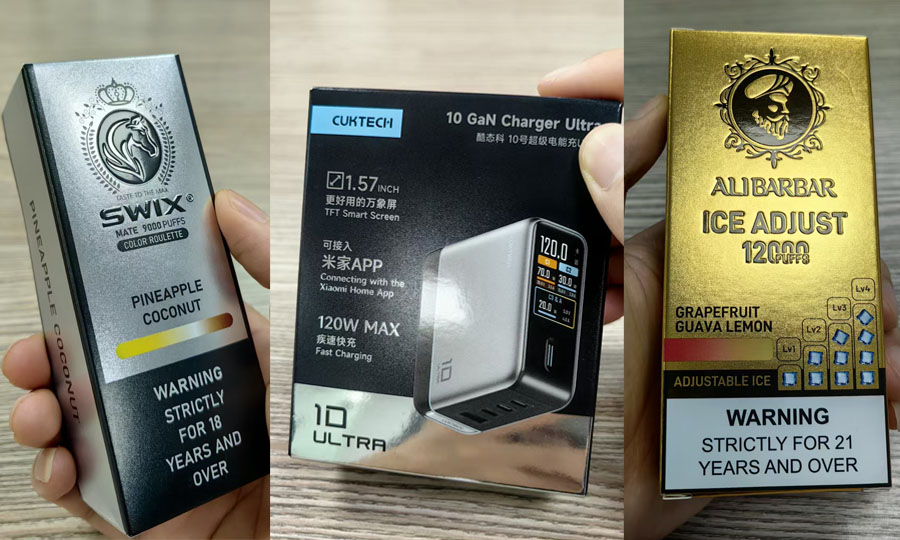
Spot UV Printing Specialty
Spot UV printing (local UV coating) applies glossy UV varnish to selected areas, cured by UV light for 3D texture. Learn types, process, screen vs flexo, and packaging uses....
Read more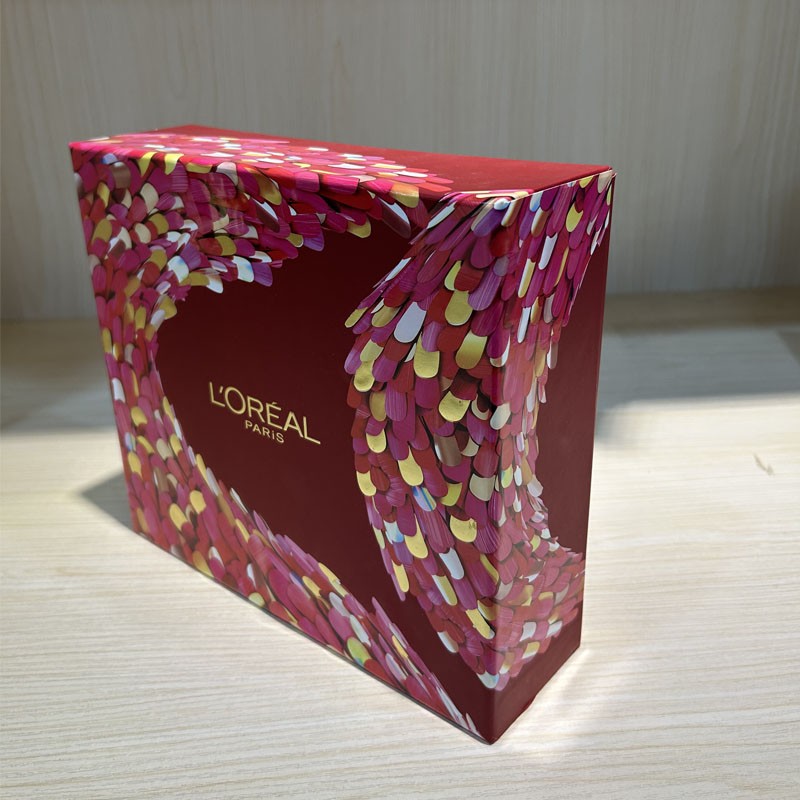
Custom Color Box Manufacturer | Printed Color Boxes, Low MOQ, Factory Direct
We are a custom color box manufacturer making printed folding cartons, mailer boxes, rigid color boxes and retail packaging. CMYK/Pantone printing, kraft & cardboard, samples before bulk, 7–20 days production....
Read more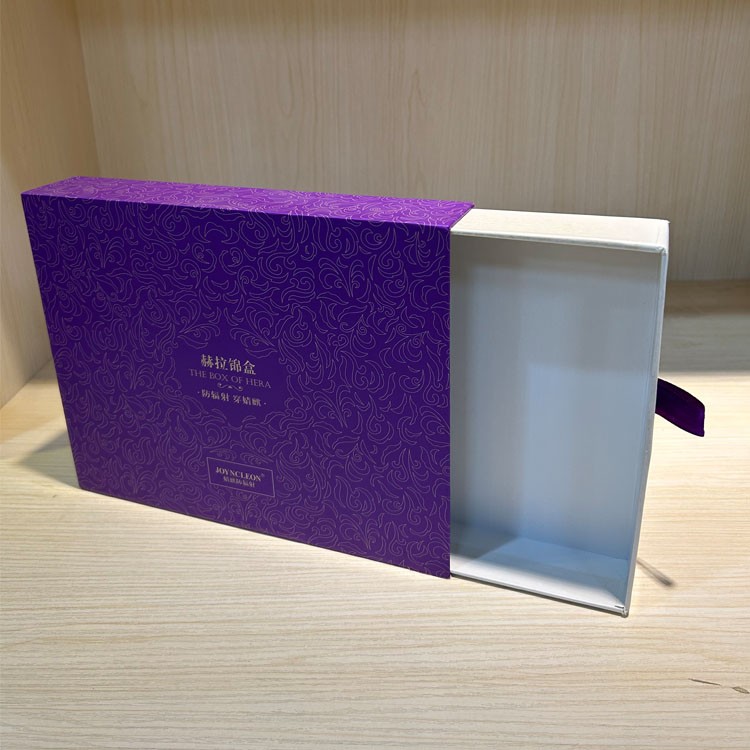
Colored Packaging Box Manufacturing | Custom Printed Color Box Manufacturer
We specialize in colored packaging box manufacturing with advanced CMYK & Pantone printing, offering eco-friendly kraft, corrugated, and rigid color boxes. Custom sizes, low MOQ, and worldwide shipping for retail, e-commerce, and gift brands....
Read more