
Card Game Manufacturing: A Comprehensive Guide to Quality Production and Market Success

JINHAO XINGYUAN
Packaging Industry Analyst
Card games have been a beloved form of entertainment for centuries, transcending age, culture, and geography. From classic titles like Poker and Bridge to modern collectible card games (CCGs) such as Magic: The Gathering and Yu-Gi-Oh!, and innovative indie card games, the demand for high-quality, engaging card games continues to grow globally. Behind every successful card game lies a meticulous and specialized manufacturing process that combines creativity, technical precision, and quality control. This article delves into the world of card game manufacturing, exploring key processes, critical considerations, emerging trends, and how manufacturers meet the evolving needs of players and publishers.
The Fundamentals of Card Game Manufacturing
Card game manufacturing is a multi-stage process that begins with conceptualization and ends with the finished product ready for distribution. Unlike generic printing, card game production requires attention to details that directly impact gameplay, durability, and user experience. Whether producing a small run of a niche indie game or a large-scale production for a major publisher, the core steps of manufacturing remain consistent, though scaled and customized to specific requirements.
1. Pre-Production: From Design to Prototyping
The pre-production phase is critical for ensuring that the final product aligns with the publisher’s vision and meets player expectations. Key steps in this phase include:
Design Finalization: This involves finalizing the artwork, card layouts, text (including game rules, flavor text, and stats), and branding elements. Designers and publishers must ensure that all elements are high-resolution (typically 300 DPI or higher) to avoid blurriness during printing. Color consistency is also vital here—using Pantone matching system (PMS) colors can help ensure that colors on the final product match the original designs.
Material Selection: The choice of card stock is one of the most important decisions in card game manufacturing. Common options include coated or uncoated paper, cardboard, and plastic (PVC or PET). Factors influencing material selection include durability (critical for games played frequently), feel (the texture of the card affects gameplay), cost, and environmental considerations. For example, CCGs often use thicker, coated card stock (300-350 GSM) to withstand repeated shuffling, while casual games may use lighter stock (250-300 GSM) to reduce costs.
Prototyping: Before full-scale production, manufacturers create prototypes to test the design, material, and functionality of the cards. Prototypes allow publishers to check for printing errors, ensure that text is legible, test the shuffle-ability of the cards, and make any necessary adjustments. Many manufacturers offer digital proofs (PDFs) for initial reviews and physical prototypes for final validation.
2. Production: Printing, Cutting, and Finishing
Once the pre-production phase is complete, the manufacturing process moves to full-scale production. This phase involves several technical steps that require precision equipment and skilled labor:
Printing: The two most common printing methods for card games are offset printing and digital printing. Offset printing is ideal for large production runs (10,000 units or more) as it offers high quality, consistent color reproduction, and lower per-unit costs. Digital printing, on the other hand, is better for small runs (less than 5,000 units) or games that require customization (e.g., personalized cards), as it has shorter setup times and no minimum order quantities. Some high-end card games use foil stamping, embossing, or UV coating during printing to enhance visual appeal and add a premium feel.
Cutting: After printing, the large sheets of card stock are cut into individual cards using precision cutting machines (called guillotines or die-cutters). Die-cutting is used for cards with non-standard shapes (e.g., round corners, custom shapes), while guillotines are used for standard rectangular cards. Accuracy is crucial here—even a small deviation can result in cards that are misaligned or uneven, which affects gameplay.
Finishing: Finishing touches enhance the durability and aesthetics of the cards. Common finishing processes include laminating (applying a thin plastic layer to the card surface to resist wear and tear), varnishing (adding a glossy or matte coating to improve feel and protect the print), and edge coloring (painting the edges of the cards to match the design or add a pop of color). For example, many premium card games use matte lamination to reduce glare and make shuffling easier.
3. Post-Production: Assembly, Packaging, and Quality Control
The final phase of card game manufacturing involves preparing the product for market. Key steps here include:
Assembly: This involves sorting the cards (e.g., by suit, rarity, or set), collating them into decks, and adding any additional components (e.g., rulebooks, tokens, dice) that come with the game.
Packaging: Packaging not only protects the cards but also serves as a marketing tool. Common packaging options include tuck boxes (for small decks), rigid boxes (for larger games or collector’s editions), and blister packs (for individual cards or small sets). Packaging design should be eye-catching, include key information about the game (e.g., age range, number of players, game type), and be durable enough to withstand shipping and retail handling.
Quality Control (QC): QC is a critical step throughout the manufacturing process to ensure that the final product meets the highest standards. QC checks include inspecting printed cards for color accuracy, legibility, and defects (e.g., smudges, scratches), verifying that cards are cut to the correct size, checking that packaging is intact and correctly labeled, and ensuring that all components are included. Any defective products are removed and either reworked or discarded.
Key Considerations for Card Game Manufacturers and Publishers
When embarking on a card game manufacturing project, there are several important factors to consider to ensure success:
1. Target Audience and Game Type
The target audience and game type will influence every aspect of the manufacturing process, from material selection to packaging. For example, card games for children may require thicker, more durable card stock (to withstand rough handling) and bright, colorful designs, while CCGs for adult collectors may prioritize premium materials (e.g., foil stamping, embossing) and sleek packaging to appeal to collectors.
2. Budget and Production Volume
Budget and production volume are closely linked—larger production runs typically have lower per-unit costs, but require a higher upfront investment. Publishers should work with manufacturers to determine the optimal production volume based on their budget, market demand, and distribution strategy. For indie publishers or first-time creators, small-batch digital printing may be a cost-effective option to test the market before committing to a large offset print run.
3. Environmental Sustainability
As consumers become more environmentally conscious, many publishers and manufacturers are prioritizing sustainable practices. This includes using recycled or FSC-certified card stock, soy-based inks (which are less toxic than traditional petroleum-based inks), and recyclable or biodegradable packaging. Some manufacturers also offer carbon-neutral production options by offsetting the carbon emissions generated during manufacturing.
4. Compliance and Safety Standards
Card games must comply with local and international safety standards, especially if they are intended for children. This includes testing for harmful substances (e.g., lead, phthalates) in materials and ensuring that packaging does not pose a choking hazard. Manufacturers should be able to provide certification (e.g., CE, ASTM F963, CPSIA) to demonstrate compliance with these standards.
Emerging Trends in Card Game Manufacturing
The card game industry is constantly evolving, and manufacturing practices are adapting to meet new trends and player demands:
1. Customization and Personalization
There is a growing demand for customized and personalized card games, from custom decks for weddings or corporate events to personalized CCG cards with a player’s name or image. Digital printing has made this trend more accessible, allowing manufacturers to offer small-batch, highly customized production at an affordable cost.
2. Premiumization
To stand out in a crowded market, many publishers are focusing on premium card game experiences. This includes using high-end materials (e.g., plastic cards, metal accents), advanced finishing techniques (e.g., holographic foil, spot UV), and luxury packaging. Premium card games often target collectors and enthusiasts who are willing to pay a higher price for a unique and high-quality product.
3. Digital-Physical Integration
Many modern card games integrate digital elements (e.g., QR codes on cards that link to online content, companion apps for gameplay or card collection management). Manufacturers are adapting to this trend by including QR code printing and ensuring that digital elements are seamlessly integrated with the physical product.
4. On-Demand Manufacturing
On-demand manufacturing (also known as print-on-demand) is becoming more popular, especially for indie publishers and niche games. This model allows publishers to print small quantities of cards as needed, reducing inventory costs and minimizing waste. On-demand manufacturing also enables faster time-to-market, as there is no need to wait for a large production run to be completed.
Choosing the Right Card Game Manufacturer
Selecting the right manufacturing partner is crucial for the success of a card game project. When evaluating manufacturers, publishers should consider the following factors:
Experience and Expertise: Look for a manufacturer with a proven track record in card game production. Experienced manufacturers will have the knowledge and equipment to handle the unique requirements of card games, from material selection to finishing.
Quality Control Processes: Ensure that the manufacturer has robust QC processes in place to ensure that the final product meets your standards. Ask for samples of their previous work to evaluate the quality of their printing, cutting, and finishing.
Flexibility and Customization Options: Choose a manufacturer that can accommodate your specific needs, whether it’s a small production run, custom materials, or unique finishing techniques.
Pricing and Turnaround Time: Compare pricing from multiple manufacturers to ensure that you are getting a fair deal. Also, consider the manufacturer’s turnaround time to ensure that the product will be ready when you need it.
Sustainability Practices: If environmental sustainability is important to you, look for a manufacturer that offers eco-friendly materials and production options.
Customer Service: A good manufacturing partner should have responsive customer service to answer your questions, provide updates on the production process, and address any issues that may arise.
Conclusion
Card game manufacturing is a complex but rewarding process that combines art, technology, and precision. From pre-production design and prototyping to final assembly and quality control, every step plays a crucial role in creating a product that engages players and stands out in the market. As the card game industry continues to grow and evolve, manufacturers are adapting to new trends, such as customization, premiumization, and digital-physical integration, to meet the changing needs of publishers and players. By understanding the key processes, considerations, and trends in card game manufacturing, and choosing the right manufacturing partner, publishers can bring their card game visions to life and achieve success in a competitive market.
Card Game Manufacturing"},"attribs":{"0":"*0+17"}},"apool":{"numToAttrib":{"0":["author","1854200466640988"]},"nextNum":1}},"align":""}},"ZXLTfQdSfd3W6mcYwWGcLAnRn4e":{"id":"ZXLTfQdSfd3W6mcYwWGcLAnRn4e","snapshot":{"type":"text","parent_id":"KJzOfg9IrdzKYTcR5mRcmuzmnAb","comments":[],"revisions":[],"locked":false,"hidden":false,"author":"1854200466640988","children":[],"text":{"initialAttributedTexts":{"text":{"0":"Card game manufacturing is a multi-stage process that begins with conceptualization and ends with the finished product ready for distribution. Unlike generic printing, card game production requires attention to details that directly impact gameplay, durability, and user experience. Whether producing a small run of a niche indie game or a large-scale production for a major publisher, the core steps of manufacturing remain consistent, though scaled and customized to specific requirements."},"attribs":{"0":"*0+dn"}},"apool":{"numToAttrib":{"0":["author","1854200466640988"]},"nextNum":1}},"align":""}},"ZzspfiohTdHQ8ocPwlmcsf5BnWA":{"id":"ZzspfiohTdHQ8ocPwlmcsf5BnWA","snapshot":{"type":"heading3","parent_id":"KJzOfg9IrdzKYTcR5mRcmuzmnAb","comments":[],"revisions":[],"locked":false,"hidden":false,"author":"1854200466640988","children":[],"text":{"initialAttributedTexts":{"text":{"0":"1. Pre-Production: From Design to Prototyping"},"attribs":{"0":"*0+19"}},"apool":{"numToAttrib":{"0":["author","1854200466640988"]},"nextNum":1}},"align":""}},"QISQfT3hzdQ2axcvbZVcsMuKnCc":{"id":"QISQfT3hzdQ2axcvbZVcsMuKnCc","snapshot":{"type":"text","parent_id":"KJzOfg9IrdzKYTcR5mRcmuzmnAb","comments":[],"revisions":[],"locked":false,"hidden":false,"author":"1854200466640988","children":[],"text":{"initialAttributedTexts":{"text":{"0":"The pre-production phase is critical for ensuring that the final product aligns with the publisher’s vision and meets player expectations. Key steps in this phase include:"},"attribs":{"0":"*0+4r"}},"apool":{"numToAttrib":{"0":["author","1854200466640988"]},"nextNum":1}},"align":""}},"MGd0frN2jd78LdccEfrcAVcUnng":{"id":"MGd0frN2jd78LdccEfrcAVcUnng","snapshot":{"type":"bullet","parent_id":"KJzOfg9IrdzKYTcR5mRcmuzmnAb","comments":[],"revisions":[],"locked":false,"hidden":false,"author":"1854200466640988","children":[],"text":{"initialAttributedTexts":{"text":{"0":"Design Finalization: This involves finalizing the artwork, card layouts, text (including game rules, flavor text, and stats), and branding elements. Designers and publishers must ensure that all elements are high-resolution (typically 300 DPI or higher) to avoid blurriness during printing. Color consistency is also vital here—using Pantone matching system (PMS) colors can help ensure that colors on the final product match the original designs."},"attribs":{"0":"*0*1+j*0+bw"}},"apool":{"numToAttrib":{"0":["author","1854200466640988"],"1":["bold","true"]},"nextNum":2}},"align":""}},"YYhufJvxudE6bucFre4cCi2KnId":{"id":"YYhufJvxudE6bucFre4cCi2KnId","snapshot":{"type":"bullet","parent_id":"KJzOfg9IrdzKYTcR5mRcmuzmnAb","comments":[],"revisions":[],"locked":false,"hidden":false,"author":"1854200466640988","children":[],"text":{"initialAttributedTexts":{"text":{"0":"Material Selection: The choice of card stock is one of the most important decisions in card game manufacturing. Common options include coated or uncoated paper, cardboard, and plastic (PVC or PET). Factors influencing material selection include durability (critical for games played frequently), feel (the texture of the card affects gameplay), cost, and environmental considerations. For example, CCGs often use thicker, coated card stock (300-350 GSM) to withstand repeated shuffling, while casual games may use lighter stock (250-300 GSM) to reduce costs."},"attribs":{"0":"*0*1+i*0+f0"}},"apool":{"numToAttrib":{"0":["author","1854200466640988"],"1":["bold","true"]},"nextNum":2}},"align":""}},"NCkIfTBdOdh6MPcKx55c4GaTn5h":{"id":"NCkIfTBdOdh6MPcKx55c4GaTn5h","snapshot":{"type":"bullet","parent_id":"KJzOfg9IrdzKYTcR5mRcmuzmnAb","comments":[],"revisions":[],"locked":false,"hidden":false,"author":"1854200466640988","children":[],"text":{"initialAttributedTexts":{"text":{"0":"Prototyping: Before full-scale production, manufacturers create prototypes to test the design, material, and functionality of the cards. Prototypes allow publishers to check for printing errors, ensure that text is legible, test the shuffle-ability of the cards, and make any necessary adjustments. Many manufacturers offer digital proofs (PDFs) for initial reviews and physical prototypes for final validation."},"attribs":{"0":"*0*1+b*0+b4"}},"apool":{"numToAttrib":{"0":["author","1854200466640988"],"1":["bold","true"]},"nextNum":2}},"align":""}},"ZWyvfG76YdIfS2cQDa3cinNsn1d":{"id":"ZWyvfG76YdIfS2cQDa3cinNsn1d","snapshot":{"type":"heading3","parent_id":"KJzOfg9IrdzKYTcR5mRcmuzmnAb","comments":[],"revisions":[],"locked":false,"hidden":false,"author":"1854200466640988","children":[],"text":{"initialAttributedTexts":{"text":{"0":"2. Production: Printing, Cutting, and Finishing"},"attribs":{"0":"*0+1b"}},"apool":{"numToAttrib":{"0":["author","1854200466640988"]},"nextNum":1}},"align":""}},"W3BDfxMfOdBCcEcAthzcgB8eneh":{"id":"W3BDfxMfOdBCcEcAthzcgB8eneh","snapshot":{"type":"text","parent_id":"KJzOfg9IrdzKYTcR5mRcmuzmnAb","comments":[],"revisions":[],"locked":false,"hidden":false,"author":"1854200466640988","children":[],"text":{"initialAttributedTexts":{"text":{"0":"Once the pre-production phase is complete, the manufacturing process moves to full-scale production. This phase involves several technical steps that require precision equipment and skilled labor:"},"attribs":{"0":"*0+5g"}},"apool":{"numToAttrib":{"0":["author","1854200466640988"]},"nextNum":1}},"align":""}},"FZjifB2y8d0EufcH3NacYokPnGc":{"id":"FZjifB2y8d0EufcH3NacYokPnGc","snapshot":{"type":"bullet","parent_id":"KJzOfg9IrdzKYTcR5mRcmuzmnAb","comments":[],"revisions":[],"locked":false,"hidden":false,"author":"1854200466640988","children":[],"text":{"initialAttributedTexts":{"text":{"0":"Printing: The two most common printing methods for card games are offset printing and digital printing. Offset printing is ideal for large production runs (10,000 units or more) as it offers high quality, consistent color reproduction, and lower per-unit costs. Digital printing, on the other hand, is better for small runs (less than 5,000 units) or games that require customization (e.g., personalized cards), as it has shorter setup times and no minimum order quantities. Some high-end card games use foil stamping, embossing, or UV coating during printing to enhance visual appeal and add a premium feel."},"attribs":{"0":"*0*1+8*0+go"}},"apool":{"numToAttrib":{"0":["author","1854200466640988"],"1":["bold","true"]},"nextNum":2}},"align":""}},"OhjRfqTUvdhGRBcHp7QcYaNJnBg":{"id":"OhjRfqTUvdhGRBcHp7QcYaNJnBg","snapshot":{"type":"bullet","parent_id":"KJzOfg9IrdzKYTcR5mRcmuzmnAb","comments":[],"revisions":[],"locked":false,"hidden":false,"author":"1854200466640988","children":[],"text":{"initialAttributedTexts":{"text":{"0":"Cutting: After printing, the large sheets of card stock are cut into individual cards using precision cutting machines (called guillotines or die-cutters). Die-cutting is used for cards with non-standard shapes (e.g., round corners, custom shapes), while guillotines are used for standard rectangular cards. Accuracy is crucial here—even a small deviation can result in cards that are misaligned or uneven, which affects gameplay."},"attribs":{"0":"*0*1+7*0+br"}},"apool":{"numToAttrib":{"0":["author","1854200466640988"],"1":["bold","true"]},"nextNum":2}},"align":""}},"FQpUfeqpud9CkCcxJY0cQ6sjnOb":{"id":"FQpUfeqpud9CkCcxJY0cQ6sjnOb","snapshot":{"type":"bullet","parent_id":"KJzOfg9IrdzKYTcR5mRcmuzmnAb","comments":[],"revisions":[],"locked":false,"hidden":false,"author":"1854200466640988","children":[],"text":{"initialAttributedTexts":{"text":{"0":"Finishing: Finishing touches enhance the durability and aesthetics of the cards. Common finishing processes include laminating (applying a thin plastic layer to the card surface to resist wear and tear), varnishing (adding a glossy or matte coating to improve feel and protect the print), and edge coloring (painting the edges of the cards to match the design or add a pop of color). For example, many premium card games use matte lamination to reduce glare and make shuffling easier."},"attribs":{"0":"*0*1+9*0+d7"}},"apool":{"numToAttrib":{"0":["author","1854200466640988"],"1":["bold","true"]},"nextNum":2}},"align":""}},"NT3NfPIjndWFzgcIVeHcewfhnSh":{"id":"NT3NfPIjndWFzgcIVeHcewfhnSh","snapshot":{"type":"heading3","parent_id":"KJzOfg9IrdzKYTcR5mRcmuzmnAb","comments":[],"revisions":[],"locked":false,"hidden":false,"author":"1854200466640988","children":[],"text":{"initialAttributedTexts":{"text":{"0":"3. Post-Production: Assembly, Packaging, and Quality Control"},"attribs":{"0":"*0+1o"}},"apool":{"numToAttrib":{"0":["author","1854200466640988"]},"nextNum":1}},"align":""}},"IY29f64Jnd5XFVcNLnBc3BuEndf":{"id":"IY29f64Jnd5XFVcNLnBc3BuEndf","snapshot":{"type":"text","parent_id":"KJzOfg9IrdzKYTcR5mRcmuzmnAb","comments":[],"revisions":[],"locked":false,"hidden":false,"author":"1854200466640988","children":[],"text":{"initialAttributedTexts":{"text":{"0":"The final phase of card game manufacturing involves preparing the product for market. Key steps here include:"},"attribs":{"0":"*0+31"}},"apool":{"numToAttrib":{"0":["author","1854200466640988"]},"nextNum":1}},"align":""}},"N6gBf7pHddi9Pucigp5co5rqnIa":{"id":"N6gBf7pHddi9Pucigp5co5rqnIa","snapshot":{"type":"bullet","parent_id":"KJzOfg9IrdzKYTcR5mRcmuzmnAb","comments":[],"revisions":[],"locked":false,"hidden":false,"author":"1854200466640988","children":[],"text":{"initialAttributedTexts":{"text":{"0":"Assembly: This involves sorting the cards (e.g., by suit, rarity, or set), collating them into decks, and adding any additional components (e.g., rulebooks, tokens, dice) that come with the game."},"attribs":{"0":"*0*1+8*0+57"}},"apool":{"numToAttrib":{"0":["author","1854200466640988"],"1":["bold","true"]},"nextNum":2}},"align":""}},"XG49fpqTxdQEnqcjxvEcoXsznKe":{"id":"XG49fpqTxdQEnqcjxvEcoXsznKe","snapshot":{"type":"bullet","parent_id":"KJzOfg9IrdzKYTcR5mRcmuzmnAb","comments":[],"revisions":[],"locked":false,"hidden":false,"author":"1854200466640988","children":[],"text":{"initialAttributedTexts":{"text":{"0":"Packaging: Packaging not only protects the cards but also serves as a marketing tool. Common packaging options include tuck boxes (for small decks), rigid boxes (for larger games or collector’s editions), and blister packs (for individual cards or small sets). Packaging design should be eye-catching, include key information about the game (e.g., age range, number of players, game type), and be durable enough to withstand shipping and retail handling."},"attribs":{"0":"*0*1+9*0+cd"}},"apool":{"numToAttrib":{"0":["author","1854200466640988"],"1":["bold","true"]},"nextNum":2}},"align":""}},"TQ6SfmyTJd6gUMcKQFwc7Va9n4F":{"id":"TQ6SfmyTJd6gUMcKQFwc7Va9n4F","snapshot":{"type":"bullet","parent_id":"KJzOfg9IrdzKYTcR5mRcmuzmnAb","comments":[],"revisions":[],"locked":false,"hidden":false,"author":"1854200466640988","children":[],"text":{"initialAttributedTexts":{"text":{"0":"Quality Control (QC): QC is a critical step throughout the manufacturing process to ensure that the final product meets the highest standards. QC checks include inspecting printed cards for color accuracy, legibility, and defects (e.g., smudges, scratches), verifying that cards are cut to the correct size, checking that packaging is intact and correctly labeled, and ensuring that all components are included. Any defective products are removed and either reworked or discarded."},"attribs":{"0":"*0*1+k*0+cs"}},"apool":{"numToAttrib":{"0":["author","1854200466640988"],"1":["bold","true"]},"nextNum":2}},"align":""}},"BB7sfdPNvdx1ZNc8gzycZvAPnY6":{"id":"BB7sfdPNvdx1ZNc8gzycZvAPnY6","snapshot":{"type":"heading2","parent_id":"KJzOfg9IrdzKYTcR5mRcmuzmnAb","comments":[],"revisions":[],"locked":false,"hidden":false,"author":"1854200466640988","children":[],"text":{"initialAttributedTexts":{"text":{"0":"Key Considerations for Card Game Manufacturers and Publishers"},"attribs":{"0":"*0+1p"}},"apool":{"numToAttrib":{"0":["author","1854200466640988"]},"nextNum":1}},"align":""}},"Kmhhfg4Vadzucyc8v97c0v7cnOg":{"id":"Kmhhfg4Vadzucyc8v97c0v7cnOg","snapshot":{"type":"text","parent_id":"KJzOfg9IrdzKYTcR5mRcmuzmnAb","comments":[],"revisions":[],"locked":false,"hidden":false,"author":"1854200466640988","children":[],"text":{"initialAttributedTexts":{"text":{"0":"When embarking on a card game manufacturing project, there are several important factors to consider to ensure success:"},"attribs":{"0":"*0+3b"}},"apool":{"numToAttrib":{"0":["author","1854200466640988"]},"nextNum":1}},"align":""}},"LHxlfIiOldvywdcoDrnceXlEnUf":{"id":"LHxlfIiOldvywdcoDrnceXlEnUf","snapshot":{"type":"heading3","parent_id":"KJzOfg9IrdzKYTcR5mRcmuzmnAb","comments":[],"revisions":[],"locked":false,"hidden":false,"author":"1854200466640988","children":[],"text":{"initialAttributedTexts":{"text":{"0":"1. Target Audience and Game Type"},"attribs":{"0":"*0+w"}},"apool":{"numToAttrib":{"0":["author","1854200466640988"]},"nextNum":1}},"align":""}},"VYPofcL4OdKJLKcBf0NcDUP4nlf":{"id":"VYPofcL4OdKJLKcBf0NcDUP4nlf","snapshot":{"type":"text","parent_id":"KJzOfg9IrdzKYTcR5mRcmuzmnAb","comments":[],"revisions":[],"locked":false,"hidden":false,"author":"1854200466640988","children":[],"text":{"initialAttributedTexts":{"text":{"0":"The target audience and game type will influence every aspect of the manufacturing process, from material selection to packaging. For example, card games for children may require thicker, more durable card stock (to withstand rough handling) and bright, colorful designs, while CCGs for adult collectors may prioritize premium materials (e.g., foil stamping, embossing) and sleek packaging to appeal to collectors."},"attribs":{"0":"*0+bi"}},"apool":{"numToAttrib":{"0":["author","1854200466640988"]},"nextNum":1}},"align":""}},"PE1kfGs5JdmWH9ckz9GcmJcbnPe":{"id":"PE1kfGs5JdmWH9ckz9GcmJcbnPe","snapshot":{"type":"heading3","parent_id":"KJzOfg9IrdzKYTcR5mRcmuzmnAb","comments":[],"revisions":[],"locked":false,"hidden":false,"author":"1854200466640988","children":[],"text":{"initialAttributedTexts":{"text":{"0":"2. Budget and Production Volume"},"attribs":{"0":"*0+v"}},"apool":{"numToAttrib":{"0":["author","1854200466640988"]},"nextNum":1}},"align":""}},"Lkm5fyxrfdd7Ftc9tbCcqFM3nIb":{"id":"Lkm5fyxrfdd7Ftc9tbCcqFM3nIb","snapshot":{"type":"text","parent_id":"KJzOfg9IrdzKYTcR5mRcmuzmnAb","comments":[],"revisions":[],"locked":false,"hidden":false,"author":"1854200466640988","children":[],"text":{"initialAttributedTexts":{"text":{"0":"Budget and production volume are closely linked—larger production runs typically have lower per-unit costs, but require a higher upfront investment. Publishers should work with manufacturers to determine the optimal production volume based on their budget, market demand, and distribution strategy. For indie publishers or first-time creators, small-batch digital printing may be a cost-effective option to test the market before committing to a large offset print run."},"attribs":{"0":"*0+d1"}},"apool":{"numToAttrib":{"0":["author","1854200466640988"]},"nextNum":1}},"align":""}},"IVJafh2FAdMvN4cfgpkcykYFnEc":{"id":"IVJafh2FAdMvN4cfgpkcykYFnEc","snapshot":{"type":"heading3","parent_id":"KJzOfg9IrdzKYTcR5mRcmuzmnAb","comments":[],"revisions":[],"locked":false,"hidden":false,"author":"1854200466640988","children":[],"text":{"initialAttributedTexts":{"text":{"0":"3. Environmental Sustainability"},"attribs":{"0":"*0+v"}},"apool":{"numToAttrib":{"0":["author","1854200466640988"]},"nextNum":1}},"align":""}},"PgCKfmAIYdTp91cfYA5cB95enuE":{"id":"PgCKfmAIYdTp91cfYA5cB95enuE","snapshot":{"type":"text","parent_id":"KJzOfg9IrdzKYTcR5mRcmuzmnAb","comments":[],"revisions":[],"locked":false,"hidden":false,"author":"1854200466640988","children":[],"text":{"initialAttributedTexts":{"text":{"0":"As consumers become more environmentally conscious, many publishers and manufacturers are prioritizing sustainable practices. This includes using recycled or FSC-certified card stock, soy-based inks (which are less toxic than traditional petroleum-based inks), and recyclable or biodegradable packaging. Some manufacturers also offer carbon-neutral production options by offsetting the carbon emissions generated during manufacturing."},"attribs":{"0":"*0+c2"}},"apool":{"numToAttrib":{"0":["author","1854200466640988"]},"nextNum":1}},"align":""}},"RjvbffUEpdgiFicnXmFcxwOqnjb":{"id":"RjvbffUEpdgiFicnXmFcxwOqnjb","snapshot":{"type":"heading3","parent_id":"KJzOfg9IrdzKYTcR5mRcmuzmnAb","comments":[],"revisions":[],"locked":false,"hidden":false,"author":"1854200466640988","children":[],"text":{"initialAttributedTexts":{"text":{"0":"4. Compliance and Safety Standards"},"attribs":{"0":"*0+y"}},"apool":{"numToAttrib":{"0":["author","1854200466640988"]},"nextNum":1}},"align":""}},"AZMSfqltad5uTjcboB3c8jNin0g":{"id":"AZMSfqltad5uTjcboB3c8jNin0g","snapshot":{"type":"text","parent_id":"KJzOfg9IrdzKYTcR5mRcmuzmnAb","comments":[],"revisions":[],"locked":false,"hidden":false,"author":"1854200466640988","children":[],"text":{"initialAttributedTexts":{"text":{"0":"Card games must comply with local and international safety standards, especially if they are intended for children. This includes testing for harmful substances (e.g., lead, phthalates) in materials and ensuring that packaging does not pose a choking hazard. Manufacturers should be able to provide certification (e.g., CE, ASTM F963, CPSIA) to demonstrate compliance with these standards."},"attribs":{"0":"*0+at"}},"apool":{"numToAttrib":{"0":["author","1854200466640988"]},"nextNum":1}},"align":""}},"VUbbfjlDHdpp6AcpIuNckpDgn7f":{"id":"VUbbfjlDHdpp6AcpIuNckpDgn7f","snapshot":{"type":"heading2","parent_id":"KJzOfg9IrdzKYTcR5mRcmuzmnAb","comments":[],"revisions":[],"locked":false,"hidden":false,"author":"1854200466640988","children":[],"text":{"initialAttributedTexts":{"text":{"0":"Emerging Trends in Card Game Manufacturing"},"attribs":{"0":"*0+16"}},"apool":{"numToAttrib":{"0":["author","1854200466640988"]},"nextNum":1}},"align":""}},"X93FfqyFxdGc1zcodNMcyMptnnd":{"id":"X93FfqyFxdGc1zcodNMcyMptnnd","snapshot":{"type":"text","parent_id":"KJzOfg9IrdzKYTcR5mRcmuzmnAb","comments":[],"revisions":[],"locked":false,"hidden":false,"author":"1854200466640988","children":[],"text":{"initialAttributedTexts":{"text":{"0":"The card game industry is constantly evolving, and manufacturing practices are adapting to meet new trends and player demands:"},"attribs":{"0":"*0+3i"}},"apool":{"numToAttrib":{"0":["author","1854200466640988"]},"nextNum":1}},"align":""}},"NQ9CfJeUNdDrOCcKSL3cD0m4njd":{"id":"NQ9CfJeUNdDrOCcKSL3cD0m4njd","snapshot":{"type":"heading3","parent_id":"KJzOfg9IrdzKYTcR5mRcmuzmnAb","comments":[],"revisions":[],"locked":false,"hidden":false,"author":"1854200466640988","children":[],"text":{"initialAttributedTexts":{"text":{"0":"1. Customization and Personalization"},"attribs":{"0":"*0+10"}},"apool":{"numToAttrib":{"0":["author","1854200466640988"]},"nextNum":1}},"align":""}},"AhiEfvaZQduuWecDtWrc2aHrn2R":{"id":"AhiEfvaZQduuWecDtWrc2aHrn2R","snapshot":{"type":"text","parent_id":"KJzOfg9IrdzKYTcR5mRcmuzmnAb","comments":[],"revisions":[],"locked":false,"hidden":false,"author":"1854200466640988","children":[],"text":{"initialAttributedTexts":{"text":{"0":"There is a growing demand for customized and personalized card games, from custom decks for weddings or corporate events to personalized CCG cards with a player’s name or image. Digital printing has made this trend more accessible, allowing manufacturers to offer small-batch, highly customized production at an affordable cost."},"attribs":{"0":"*0+94"}},"apool":{"numToAttrib":{"0":["author","1854200466640988"]},"nextNum":1}},"align":""}},"UPCTfGWgYdn7wrc58EhcPFx6n9d":{"id":"UPCTfGWgYdn7wrc58EhcPFx6n9d","snapshot":{"type":"heading3","parent_id":"KJzOfg9IrdzKYTcR5mRcmuzmnAb","comments":[],"revisions":[],"locked":false,"hidden":false,"author":"1854200466640988","children":[],"text":{"initialAttributedTexts":{"text":{"0":"2. Premiumization"},"attribs":{"0":"*0+h"}},"apool":{"numToAttrib":{"0":["author","1854200466640988"]},"nextNum":1}},"align":""}},"ZZRvfL5mFdBltOcjDKbcrt6Cn3u":{"id":"ZZRvfL5mFdBltOcjDKbcrt6Cn3u","snapshot":{"type":"text","parent_id":"KJzOfg9IrdzKYTcR5mRcmuzmnAb","comments":[],"revisions":[],"locked":false,"hidden":false,"author":"1854200466640988","children":[],"text":{"initialAttributedTexts":{"text":{"0":"To stand out in a crowded market, many publishers are focusing on premium card game experiences. This includes using high-end materials (e.g., plastic cards, metal accents), advanced finishing techniques (e.g., holographic foil, spot UV), and luxury packaging. Premium card games often target collectors and enthusiasts who are willing to pay a higher price for a unique and high-quality product."},"attribs":{"0":"*0+b0"}},"apool":{"numToAttrib":{"0":["author","1854200466640988"]},"nextNum":1}},"align":""}},"OlG5fKrCidYg4ZcYugFcXlgLnHe":{"id":"OlG5fKrCidYg4ZcYugFcXlgLnHe","snapshot":{"type":"heading3","parent_id":"KJzOfg9IrdzKYTcR5mRcmuzmnAb","comments":[],"revisions":[],"locked":false,"hidden":false,"author":"1854200466640988","children":[],"text":{"initialAttributedTexts":{"text":{"0":"3. Digital-Physical Integration"},"attribs":{"0":"*0+v"}},"apool":{"numToAttrib":{"0":["author","1854200466640988"]},"nextNum":1}},"align":""}},"T70tfTFnfdnuQncBDKbcZxe0n2f":{"id":"T70tfTFnfdnuQncBDKbcZxe0n2f","snapshot":{"type":"text","parent_id":"KJzOfg9IrdzKYTcR5mRcmuzmnAb","comments":[],"revisions":[],"locked":false,"hidden":false,"author":"1854200466640988","children":[],"text":{"initialAttributedTexts":{"text":{"0":"Many modern card games integrate digital elements (e.g., QR codes on cards that link to online content, companion apps for gameplay or card collection management). Manufacturers are adapting to this trend by including QR code printing and ensuring that digital elements are seamlessly integrated with the physical product."},"attribs":{"0":"*0+8y"}},"apool":{"numToAttrib":{"0":["author","1854200466640988"]},"nextNum":1}},"align":""}},"Cqm0fiVyodxPaRc8OQLcrXuQnEe":{"id":"Cqm0fiVyodxPaRc8OQLcrXuQnEe","snapshot":{"type":"heading3","parent_id":"KJzOfg9IrdzKYTcR5mRcmuzmnAb","comments":[],"revisions":[],"locked":false,"hidden":false,"author":"1854200466640988","children":[],"text":{"initialAttributedTexts":{"text":{"0":"4. On-Demand Manufacturing"},"attribs":{"0":"*0+q"}},"apool":{"numToAttrib":{"0":["author","1854200466640988"]},"nextNum":1}},"align":""}},"TUdLfNcvnd1sy8cSjN7c8TUxnmf":{"id":"TUdLfNcvnd1sy8cSjN7c8TUxnmf","snapshot":{"type":"text","parent_id":"KJzOfg9IrdzKYTcR5mRcmuzmnAb","comments":[],"revisions":[],"locked":false,"hidden":false,"author":"1854200466640988","children":[],"text":{"initialAttributedTexts":{"text":{"0":"On-demand manufacturing (also known as print-on-demand) is becoming more popular, especially for indie publishers and niche games. This model allows publishers to print small quantities of cards as needed, reducing inventory costs and minimizing waste. On-demand manufacturing also enables faster time-to-market, as there is no need to wait for a large production run to be completed."},"attribs":{"0":"*0+ao"}},"apool":{"numToAttrib":{"0":["author","1854200466640988"]},"nextNum":1}},"align":""}},"LTtEf0aF6d34hCcD559cxSA9nif":{"id":"LTtEf0aF6d34hCcD559cxSA9nif","snapshot":{"type":"heading2","parent_id":"KJzOfg9IrdzKYTcR5mRcmuzmnAb","comments":[],"revisions":[],"locked":false,"hidden":false,"author":"1854200466640988","children":[],"text":{"initialAttributedTexts":{"text":{"0":"Choosing the Right Card Game Manufacturer"},"attribs":{"0":"*0+15"}},"apool":{"numToAttrib":{"0":["author","1854200466640988"]},"nextNum":1}},"align":""}},"CuXZfzAaLdAHWJccndTcSnhgnqe":{"id":"CuXZfzAaLdAHWJccndTcSnhgnqe","snapshot":{"type":"text","parent_id":"KJzOfg9IrdzKYTcR5mRcmuzmnAb","comments":[],"revisions":[],"locked":false,"hidden":false,"author":"1854200466640988","children":[],"text":{"initialAttributedTexts":{"text":{"0":"Selecting the right manufacturing partner is crucial for the success of a card game project. When evaluating manufacturers, publishers should consider the following factors:"},"attribs":{"0":"*0+4t"}},"apool":{"numToAttrib":{"0":["author","1854200466640988"]},"nextNum":1}},"align":""}},"FyFsfl0YLd0QITc7nQYc5EoZnZD":{"id":"FyFsfl0YLd0QITc7nQYc5EoZnZD","snapshot":{"type":"bullet","parent_id":"KJzOfg9IrdzKYTcR5mRcmuzmnAb","comments":[],"revisions":[],"locked":false,"hidden":false,"author":"1854200466640988","children":[],"text":{"initialAttributedTexts":{"text":{"0":"Experience and Expertise: Look for a manufacturer with a proven track record in card game production. Experienced manufacturers will have the knowledge and equipment to handle the unique requirements of card games, from material selection to finishing."},"attribs":{"0":"*0*1+o*0+6c"}},"apool":{"numToAttrib":{"0":["author","1854200466640988"],"1":["bold","true"]},"nextNum":2}},"align":""}},"VDktfwtRKdh0h9cIXRgcxHgKnah":{"id":"VDktfwtRKdh0h9cIXRgcxHgKnah","snapshot":{"type":"bullet","parent_id":"KJzOfg9IrdzKYTcR5mRcmuzmnAb","comments":[],"revisions":[],"locked":false,"hidden":false,"author":"1854200466640988","children":[],"text":{"initialAttributedTexts":{"text":{"0":"Quality Control Processes: Ensure that the manufacturer has robust QC processes in place to ensure that the final product meets your standards. Ask for samples of their previous work to evaluate the quality of their printing, cutting, and finishing."},"attribs":{"0":"*0*1+p*0+68"}},"apool":{"numToAttrib":{"0":["author","1854200466640988"],"1":["bold","true"]},"nextNum":2}},"align":""}},"WP2nfO8fqdXEfEcyeVXcOU53nbb":{"id":"WP2nfO8fqdXEfEcyeVXcOU53nbb","snapshot":{"type":"bullet","parent_id":"KJzOfg9IrdzKYTcR5mRcmuzmnAb","comments":[],"revisions":[],"locked":false,"hidden":false,"author":"1854200466640988","children":[],"text":{"initialAttributedTexts":{"text":{"0":"Flexibility and Customization Options: Choose a manufacturer that can accommodate your specific needs, whether it’s a small production run, custom materials, or unique finishing techniques."},"attribs":{"0":"*0*1+11*0+48"}},"apool":{"numToAttrib":{"0":["author","1854200466640988"],"1":["bold","true"]},"nextNum":2}},"align":""}},"DEA8fdxkOdoIZ5cDkPUc5Z9Rnwe":{"id":"DEA8fdxkOdoIZ5cDkPUc5Z9Rnwe","snapshot":{"type":"bullet","parent_id":"KJzOfg9IrdzKYTcR5mRcmuzmnAb","comments":[],"revisions":[],"locked":false,"hidden":false,"author":"1854200466640988","children":[],"text":{"initialAttributedTexts":{"text":{"0":"Pricing and Turnaround Time: Compare pricing from multiple manufacturers to ensure that you are getting a fair deal. Also, consider the manufacturer’s turnaround time to ensure that the product will be ready when you need it."},"attribs":{"0":"*0*1+r*0+5i"}},"apool":{"numToAttrib":{"0":["author","1854200466640988"],"1":["bold","true"]},"nextNum":2}},"align":""}},"CDDJf4cySdNegPcd0qMcoEgrndh":{"id":"CDDJf4cySdNegPcd0qMcoEgrndh","snapshot":{"type":"bullet","parent_id":"KJzOfg9IrdzKYTcR5mRcmuzmnAb","comments":[],"revisions":[],"locked":false,"hidden":false,"author":"1854200466640988","children":[],"text":{"initialAttributedTexts":{"text":{"0":"Sustainability Practices: If environmental sustainability is important to you, look for a manufacturer that offers eco-friendly materials and production options."},"attribs":{"0":"*0*1+o*0+3t"}},"apool":{"numToAttrib":{"0":["author","1854200466640988"],"1":["bold","true"]},"nextNum":2}},"align":""}},"XIdCfr7GEd2LvYcFt9fchtpNnAe":{"id":"XIdCfr7GEd2LvYcFt9fchtpNnAe","snapshot":{"type":"bullet","parent_id":"KJzOfg9IrdzKYTcR5mRcmuzmnAb","comments":[],"revisions":[],"locked":false,"hidden":false,"author":"1854200466640988","children":[],"text":{"initialAttributedTexts":{"text":{"0":"Customer Service: A good manufacturing partner should have responsive customer service to answer your questions, provide updates on the production process, and address any issues that may arise."},"attribs":{"0":"*0*1+g*0+4y"}},"apool":{"numToAttrib":{"0":["author","1854200466640988"],"1":["bold","true"]},"nextNum":2}},"align":""}},"TnnlfQbTQdZQ3fc7F1scKZkAnEb":{"id":"TnnlfQbTQdZQ3fc7F1scKZkAnEb","snapshot":{"type":"heading2","parent_id":"KJzOfg9IrdzKYTcR5mRcmuzmnAb","comments":[],"revisions":[],"locked":false,"hidden":false,"author":"1854200466640988","children":[],"text":{"initialAttributedTexts":{"text":{"0":"Conclusion"},"attribs":{"0":"*0+a"}},"apool":{"numToAttrib":{"0":["author","1854200466640988"]},"nextNum":1}},"align":""}},"Qe4ifUHeidlFTycizK0ckMSRnAf":{"id":"Qe4ifUHeidlFTycizK0ckMSRnAf","snapshot":{"type":"text","parent_id":"KJzOfg9IrdzKYTcR5mRcmuzmnAb","comments":[],"revisions":[],"locked":false,"hidden":false,"author":"1854200466640988","children":[],"text":{"initialAttributedTexts":{"text":{"0":"Card game manufacturing is a complex but rewarding process that combines art, technology, and precision. From pre-production design and prototyping to final assembly and quality control, every step plays a crucial role in creating a product that engages players and stands out in the market. As the card game industry continues to grow and evolve, manufacturers are adapting to new trends, such as customization, premiumization, and digital-physical integration, to meet the changing needs of publishers and players. By understanding the key processes, considerations, and trends in card game manufacturing, and choosing the right manufacturing partner, publishers can bring their card game visions to life and achieve success in a competitive market."},"attribs":{"0":"*0+kv"}},"apool":{"numToAttrib":{"0":["author","1854200466640988"]},"nextNum":1}},"align":""}},"KJzOfg9IrdzKYTcR5mRcmuzmnAb":{"id":"KJzOfg9IrdzKYTcR5mRcmuzmnAb","snapshot":{"align":"","author":"1854200466640988","children":["RzZDfPuMadNdqLcVzTZcSyWPnUg","RU42fQbv4dZCQXcqyZRcAltUnob","ZXLTfQdSfd3W6mcYwWGcLAnRn4e","ZzspfiohTdHQ8ocPwlmcsf5BnWA","QISQfT3hzdQ2axcvbZVcsMuKnCc","MGd0frN2jd78LdccEfrcAVcUnng","YYhufJvxudE6bucFre4cCi2KnId","NCkIfTBdOdh6MPcKx55c4GaTn5h","ZWyvfG76YdIfS2cQDa3cinNsn1d","W3BDfxMfOdBCcEcAthzcgB8eneh","FZjifB2y8d0EufcH3NacYokPnGc","OhjRfqTUvdhGRBcHp7QcYaNJnBg","FQpUfeqpud9CkCcxJY0cQ6sjnOb","NT3NfPIjndWFzgcIVeHcewfhnSh","IY29f64Jnd5XFVcNLnBc3BuEndf","N6gBf7pHddi9Pucigp5co5rqnIa","XG49fpqTxdQEnqcjxvEcoXsznKe","TQ6SfmyTJd6gUMcKQFwc7Va9n4F","BB7sfdPNvdx1ZNc8gzycZvAPnY6","Kmhhfg4Vadzucyc8v97c0v7cnOg","LHxlfIiOldvywdcoDrnceXlEnUf","VYPofcL4OdKJLKcBf0NcDUP4nlf","PE1kfGs5JdmWH9ckz9GcmJcbnPe","Lkm5fyxrfdd7Ftc9tbCcqFM3nIb","IVJafh2FAdMvN4cfgpkcykYFnEc","PgCKfmAIYdTp91cfYA5cB95enuE","RjvbffUEpdgiFicnXmFcxwOqnjb","AZMSfqltad5uTjcboB3c8jNin0g","VUbbfjlDHdpp6AcpIuNckpDgn7f","X93FfqyFxdGc1zcodNMcyMptnnd","NQ9CfJeUNdDrOCcKSL3cD0m4njd","AhiEfvaZQduuWecDtWrc2aHrn2R","UPCTfGWgYdn7wrc58EhcPFx6n9d","ZZRvfL5mFdBltOcjDKbcrt6Cn3u","OlG5fKrCidYg4ZcYugFcXlgLnHe","T70tfTFnfdnuQncBDKbcZxe0n2f","Cqm0fiVyodxPaRc8OQLcrXuQnEe","TUdLfNcvnd1sy8cSjN7c8TUxnmf","LTtEf0aF6d34hCcD559cxSA9nif","CuXZfzAaLdAHWJccndTcSnhgnqe","FyFsfl0YLd0QITc7nQYc5EoZnZD","VDktfwtRKdh0h9cIXRgcxHgKnah","WP2nfO8fqdXEfEcyeVXcOU53nbb","DEA8fdxkOdoIZ5cDkPUc5Z9Rnwe","CDDJf4cySdNegPcd0qMcoEgrndh","XIdCfr7GEd2LvYcFt9fchtpNnAe","TnnlfQbTQdZQ3fc7F1scKZkAnEb","Qe4ifUHeidlFTycizK0ckMSRnAf"],"comment_container_id":"BXL7fkGJ0dVpjMcqRwPc7QPpn9b","comments":[],"doc_info":{"deleted_editors":null,"editors":["1854200466640988"],"option_modified":null,"options":["editors","create_time","edit_time"]},"hidden":false,"locked":false,"parent_id":"","revision_container_id":"AdWtfV0bsda4pgc5ERvcQteqnSf","revisions":[],"status":{"streaming":{"enabled":false,"expired_at":"1766114300","source":1,"operator_id":"1854200466640988","is_create_command":true}},"text":{"apool":{"nextNum":2,"numToAttrib":{"0":["author","1854200466640988"],"1":["ai-extra","{"is_ai_gen":true,"rewrite_command":1}"]}},"initialAttributedTexts":{"attribs":{"0":"*0*1+27*0*1+8"},"text":{"0":"Card Game Manufacturing: A Comprehensive Guide to Quality Production and Market Success"}}},"type":"page"}}},"payloadMap":{"RzZDfPuMadNdqLcVzTZcSyWPnUg":{"level":1},"ZXLTfQdSfd3W6mcYwWGcLAnRn4e":{"level":1},"QISQfT3hzdQ2axcvbZVcsMuKnCc":{"level":1},"W3BDfxMfOdBCcEcAthzcgB8eneh":{"level":1},"IY29f64Jnd5XFVcNLnBc3BuEndf":{"level":1},"Kmhhfg4Vadzucyc8v97c0v7cnOg":{"level":1},"VYPofcL4OdKJLKcBf0NcDUP4nlf":{"level":1},"Lkm5fyxrfdd7Ftc9tbCcqFM3nIb":{"level":1},"PgCKfmAIYdTp91cfYA5cB95enuE":{"level":1},"AZMSfqltad5uTjcboB3c8jNin0g":{"level":1},"X93FfqyFxdGc1zcodNMcyMptnnd":{"level":1},"AhiEfvaZQduuWecDtWrc2aHrn2R":{"level":1},"ZZRvfL5mFdBltOcjDKbcrt6Cn3u":{"level":1},"T70tfTFnfdnuQncBDKbcZxe0n2f":{"level":1},"TUdLfNcvnd1sy8cSjN7c8TUxnmf":{"level":1},"CuXZfzAaLdAHWJccndTcSnhgnqe":{"level":1},"Qe4ifUHeidlFTycizK0ckMSRnAf":{"level":1}},"extra":{"channel":"saas","pasteRandomId":"d478c993-6390-4784-8807-f425ae98c2a2","mention_page_title":{},"external_mention_url":{}},"isKeepQuoteContainer":false,"selection":[{"id":2,"type":"text","selection":{"start":0,"end":706},"recordId":"RzZDfPuMadNdqLcVzTZcSyWPnUg"},{"id":3,"type":"text","selection":{"start":0,"end":43},"recordId":"RU42fQbv4dZCQXcqyZRcAltUnob"},{"id":4,"type":"text","selection":{"start":0,"end":491},"recordId":"ZXLTfQdSfd3W6mcYwWGcLAnRn4e"},{"id":5,"type":"text","selection":{"start":0,"end":45},"recordId":"ZzspfiohTdHQ8ocPwlmcsf5BnWA"},{"id":6,"type":"text","selection":{"start":0,"end":171},"recordId":"QISQfT3hzdQ2axcvbZVcsMuKnCc"},{"id":7,"type":"text","selection":{"start":0,"end":447},"recordId":"MGd0frN2jd78LdccEfrcAVcUnng"},{"id":8,"type":"text","selection":{"start":0,"end":558},"recordId":"YYhufJvxudE6bucFre4cCi2KnId"},{"id":9,"type":"text","selection":{"start":0,"end":411},"recordId":"NCkIfTBdOdh6MPcKx55c4GaTn5h"},{"id":10,"type":"text","selection":{"start":0,"end":47},"recordId":"ZWyvfG76YdIfS2cQDa3cinNsn1d"},{"id":11,"type":"text","selection":{"start":0,"end":196},"recordId":"W3BDfxMfOdBCcEcAthzcgB8eneh"},{"id":12,"type":"text","selection":{"start":0,"end":608},"recordId":"FZjifB2y8d0EufcH3NacYokPnGc"},{"id":13,"type":"text","selection":{"start":0,"end":430},"recordId":"OhjRfqTUvdhGRBcHp7QcYaNJnBg"},{"id":14,"type":"text","selection":{"start":0,"end":484},"recordId":"FQpUfeqpud9CkCcxJY0cQ6sjnOb"},{"id":15,"type":"text","selection":{"start":0,"end":60},"recordId":"NT3NfPIjndWFzgcIVeHcewfhnSh"},{"id":16,"type":"text","selection":{"start":0,"end":109},"recordId":"IY29f64Jnd5XFVcNLnBc3BuEndf"},{"id":17,"type":"text","selection":{"start":0,"end":195},"recordId":"N6gBf7pHddi9Pucigp5co5rqnIa"},{"id":18,"type":"text","selection":{"start":0,"end":454},"recordId":"XG49fpqTxdQEnqcjxvEcoXsznKe"},{"id":19,"type":"text","selection":{"start":0,"end":480},"recordId":"TQ6SfmyTJd6gUMcKQFwc7Va9n4F"},{"id":20,"type":"text","selection":{"start":0,"end":61},"recordId":"BB7sfdPNvdx1ZNc8gzycZvAPnY6"},{"id":21,"type":"text","selection":{"start":0,"end":119},"recordId":"Kmhhfg4Vadzucyc8v97c0v7cnOg"},{"id":22,"type":"text","selection":{"start":0,"end":32},"recordId":"LHxlfIiOldvywdcoDrnceXlEnUf"},{"id":23,"type":"text","selection":{"start":0,"end":414},"recordId":"VYPofcL4OdKJLKcBf0NcDUP4nlf"},{"id":24,"type":"text","selection":{"start":0,"end":31},"recordId":"PE1kfGs5JdmWH9ckz9GcmJcbnPe"},{"id":25,"type":"text","selection":{"start":0,"end":469},"recordId":"Lkm5fyxrfdd7Ftc9tbCcqFM3nIb"},{"id":26,"type":"text","selection":{"start":0,"end":31},"recordId":"IVJafh2FAdMvN4cfgpkcykYFnEc"},{"id":27,"type":"text","selection":{"start":0,"end":434},"recordId":"PgCKfmAIYdTp91cfYA5cB95enuE"},{"id":28,"type":"text","selection":{"start":0,"end":34},"recordId":"RjvbffUEpdgiFicnXmFcxwOqnjb"},{"id":29,"type":"text","selection":{"start":0,"end":389},"recordId":"AZMSfqltad5uTjcboB3c8jNin0g"},{"id":30,"type":"text","selection":{"start":0,"end":42},"recordId":"VUbbfjlDHdpp6AcpIuNckpDgn7f"},{"id":31,"type":"text","selection":{"start":0,"end":126},"recordId":"X93FfqyFxdGc1zcodNMcyMptnnd"},{"id":32,"type":"text","selection":{"start":0,"end":36},"recordId":"NQ9CfJeUNdDrOCcKSL3cD0m4njd"},{"id":33,"type":"text","selection":{"start":0,"end":328},"recordId":"AhiEfvaZQduuWecDtWrc2aHrn2R"},{"id":34,"type":"text","selection":{"start":0,"end":17},"recordId":"UPCTfGWgYdn7wrc58EhcPFx6n9d"},{"id":35,"type":"text","selection":{"start":0,"end":396},"recordId":"ZZRvfL5mFdBltOcjDKbcrt6Cn3u"},{"id":36,"type":"text","selection":{"start":0,"end":31},"recordId":"OlG5fKrCidYg4ZcYugFcXlgLnHe"},{"id":37,"type":"text","selection":{"start":0,"end":322},"recordId":"T70tfTFnfdnuQncBDKbcZxe0n2f"},{"id":38,"type":"text","selection":{"start":0,"end":26},"recordId":"Cqm0fiVyodxPaRc8OQLcrXuQnEe"},{"id":39,"type":"text","selection":{"start":0,"end":384},"recordId":"TUdLfNcvnd1sy8cSjN7c8TUxnmf"},{"id":40,"type":"text","selection":{"start":0,"end":41},"recordId":"LTtEf0aF6d34hCcD559cxSA9nif"},{"id":41,"type":"text","selection":{"start":0,"end":173},"recordId":"CuXZfzAaLdAHWJccndTcSnhgnqe"},{"id":42,"type":"text","selection":{"start":0,"end":252},"recordId":"FyFsfl0YLd0QITc7nQYc5EoZnZD"},{"id":43,"type":"text","selection":{"start":0,"end":249},"recordId":"VDktfwtRKdh0h9cIXRgcxHgKnah"},{"id":44,"type":"text","selection":{"start":0,"end":189},"recordId":"WP2nfO8fqdXEfEcyeVXcOU53nbb"},{"id":45,"type":"text","selection":{"start":0,"end":225},"recordId":"DEA8fdxkOdoIZ5cDkPUc5Z9Rnwe"},{"id":46,"type":"text","selection":{"start":0,"end":161},"recordId":"CDDJf4cySdNegPcd0qMcoEgrndh"},{"id":47,"type":"text","selection":{"start":0,"end":194},"recordId":"XIdCfr7GEd2LvYcFt9fchtpNnAe"},{"id":48,"type":"text","selection":{"start":0,"end":10},"recordId":"TnnlfQbTQdZQ3fc7F1scKZkAnEb"},{"id":49,"type":"text","selection":{"start":0,"end":751},"recordId":"Qe4ifUHeidlFTycizK0ckMSRnAf"}],"pasteFlag":"26320eb8-b7a5-4ed2-9059-ba126f3606e4"}" data-lark-record-format="docx/record" class="lark-record-clipboard">
You May Also Like
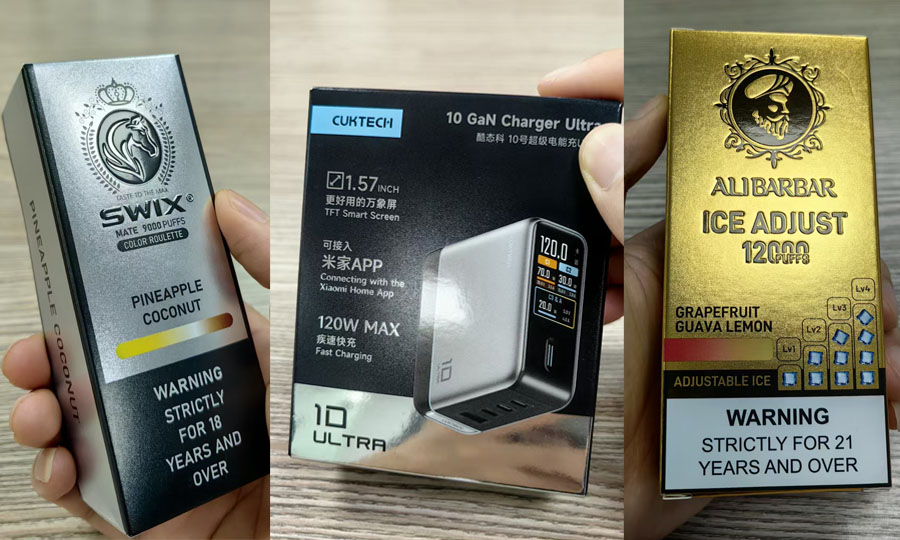
Spot UV Printing Specialty
Spot UV printing (local UV coating) applies glossy UV varnish to selected areas, cured by UV light for 3D texture. Learn types, process, screen vs flexo, and packaging uses....
Read more
Custom Color Box Manufacturer | Printed Color Boxes, Low MOQ, Factory Direct
We are a custom color box manufacturer making printed folding cartons, mailer boxes, rigid color boxes and retail packaging. CMYK/Pantone printing, kraft & cardboard, samples before bulk, 7–20 days production....
Read more
Colored Packaging Box Manufacturing | Custom Printed Color Box Manufacturer
We specialize in colored packaging box manufacturing with advanced CMYK & Pantone printing, offering eco-friendly kraft, corrugated, and rigid color boxes. Custom sizes, low MOQ, and worldwide shipping for retail, e-commerce, and gift brands....
Read more