
Technical Specification on PVC & PET Film Boxes

JINHAO XINGYUAN
Packaging Industry Analyst
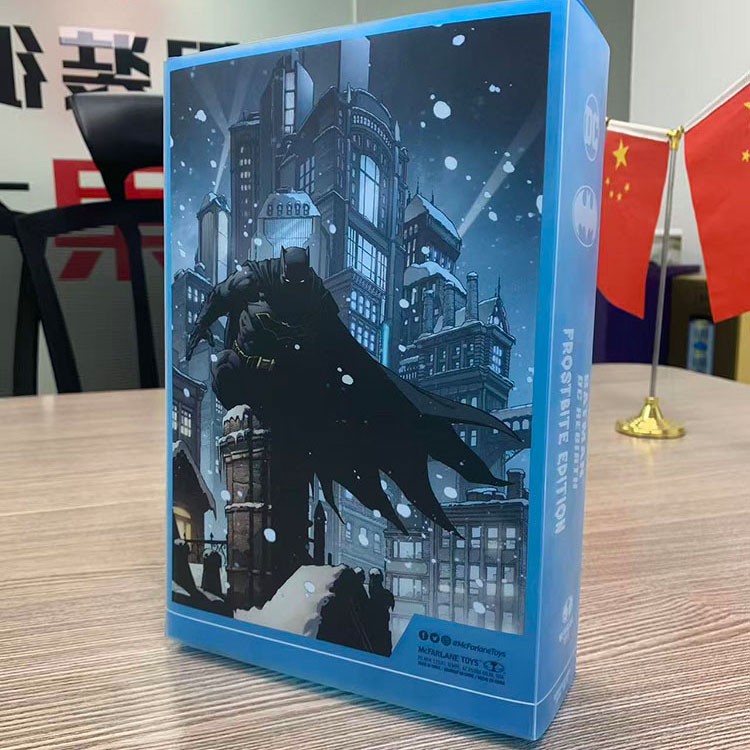
Technical Specification on PVC & PET Film Boxes (Folding Boxes / Vacuum Formed Boxes)
Scope: This specification covers raw material, sheet extrusion, printing, forming, die-cutting, gluing, finished product inspection and compliance requirements for transparent PVC and PET film boxes, including folding boxes and vacuum blister boxes.
1. Raw Material & Sheet Requirements
1.1 Rigid PVC Sheet (RPVC)
Raw material: Food-contact grade PVC shall comply with relevant standards for vinyl chloride monomer residue. General packaging grade shall adopt qualified stabilizer system; heavy metal stabilizers (Lead, Cadmium) are prohibited. For EU export, RoHS and REACH SVHC shall be met. PVC will release HCl under overheating, so matching thermal stabilizer is required in formulation.
Sheet physical indicators:
Thickness tolerance: ±0.03~±0.05 mm for regular grade; ±0.02 mm for high-end orders
Light transmittance ≥86%; free of fish eyes, bubbles, scratches, black spots and crystal points
Shrinkage ratio: controlled balance in machine & transverse direction to reduce warpage after forming/folding
Surface tension: 42 ~ 52 dyne/cm for UV ink adhesion; corona treatment if surface energy insufficient
Limitation: PVC softens under high temperature and becomes brittle at low temperature. Chlorine-containing substances will be released during incineration; PVC is restricted for direct food contact in many EU applications.
1.2 APET Sheet
Raw material: Food-contact grade PET complies with GB 4806.7. Illegal recycled materials and fluorescent whitening agents are forbidden. PET is highly hygroscopic; pre-drying is mandatory: 80~100℃ for 2~4 hours, moisture content <0.04% to avoid bubbles, whitening and pinholes during forming.
Sheet physical indicators:
Light transmittance ≥89%, high clarity; superior rigidity, folding resistance and chemical resistance vs PVC
Thickness tolerance same as PVC; shrinkage 0.5~1%. More dimensionally stable, but narrow forming temperature window with strict temperature control.
Surface tension: 50~56 dyne/cm. Virgin PET has low surface energy; corona treatment is required before printing to prevent ink peeling.
Crystallization control: Overheating shall be avoided to prevent local crystallization, haze increase and whitening.
Note: PETG is modified PET with wider thermoforming window and less crease cracking, commonly used as premium alternative for folding boxes.
1.3 General Sheet Requirements
Surface free of scratches, roller marks, crystal points, bubbles and black spots; uniform roll tension without unilateral warpage.
Aging & conditioning: Extruded sheets shall be kept under constant temperature to release internal stress and minimize deformation in subsequent printing & die-cutting.
CCD online thickness & defect inspection available for premium orders.
2. Extrusion / Calendering Process
PVC extrusion: Corrosion-resistant alloy barrel is required (HCl from decomposed PVC corrodes equipment). Processing temperature: 160–190℃; residence time strictly controlled to avoid yellowing, decomposition and volatiles; sufficient venting for volatile removal.
PET extrusion: Online dehumidifying drying system; precise zone temperature control to prevent material degradation. Even cooling roller temperature to reduce internal stress. High internal stress will cause crease cracking after folding or shrinkage after printing.
3. Printing (Mainly for Folding Boxes, UV Printing)
Pre-treatment: PET must be corona treated. Corona for PVC is optional. Test surface energy by dyne pen per batch. Corona effect decays over storage time.
Ink: UV curable ink. Food-contact application uses food-grade UV ink with controlled substance migration. Adhesion requirement: ≥4B by cross-hatch test; no ink peeling under tape test; pass rub resistance test.
Color & registration: Color difference ΔE<2 against approved sample; register accuracy ±0.15 mm max. No missing print, flying ink, pinholes or moiré pattern.
UV curing: Sufficient UV energy to fully cure ink. Incomplete curing causes blocking, color fading and odor. Control winding tension after printing to avoid sheet stretching.
4. Forming Process
4.1 Transparent Folding Boxes
Creasing:
PVC: Easy creasing, low cracking risk. Pressure properly controlled to avoid piercing the sheet.
PET: Critical point. APET is rigid & brittle; over-deep crease causes cracking, insufficient pressure results in poor folding. Special creasing rule and slight pre-heating are recommended. PETG greatly reduces crease cracking risk.
Die-cutting: PET has higher hardness and faster knife wear; hardened steel cutting rule is required. Control knife height and base to obtain clean cut without burrs and plastic stringing.
Gluing:
PVC: Dedicated PVC adhesive. Adhesive shall not etch sheet or cause whitening at bonding area.
PET: Ordinary adhesive has weak bonding; PET primer or PET-specific adhesive required. Bonding zone free of whitening, brittleness and adhesive overflow. Bond peel strength shall pass drop and pull test.
Curing under constant temperature after gluing before final deformation inspection.
4.2 Vacuum Formed Blister Boxes
Heating control (core difference):
PVC forming temperature: 82~100℃, wide processing window. Overheating causes sagging, yellowing and decomposition.
APET forming temperature:105~115℃, narrow window. Excess temperature leads to crystallization whitening and thin wall; insufficient temperature causes incomplete cavity filling, whitening and tearing.
Vacuum: -0.06 ~ -0.09 MPa. Reasonable vent hole layout on mold to reduce stringing, bubbles and local thinning.
Cooling setting: Water-cooled mold. Sufficient cooling before demolding to reduce internal stress and spring-back deformation.
Wall thickness uniformity: Minimum wall thickness at heavily stretched areas shall meet design requirement; no excessive thinning causing failure in drop test.
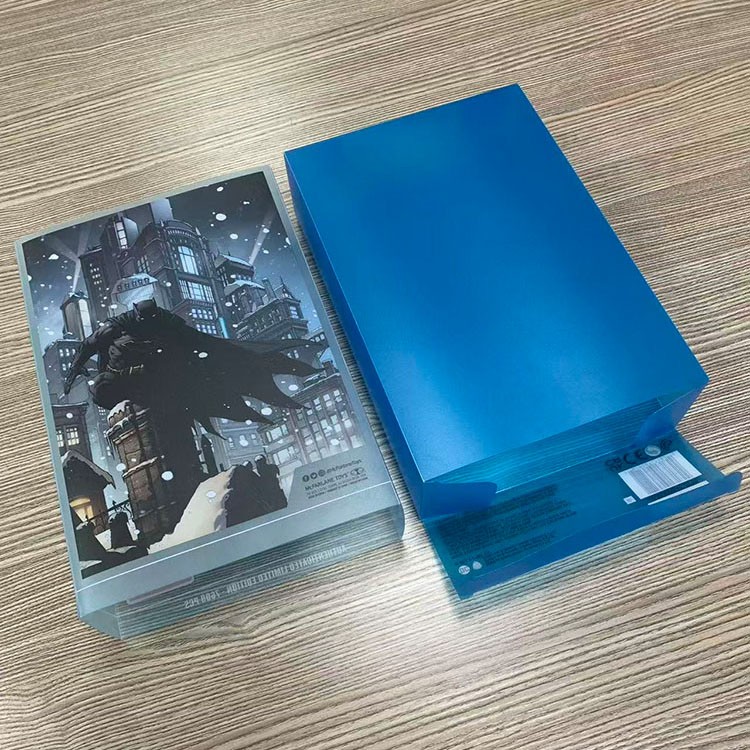
5. Post-processing: Die-cutting & Finishing
Dimension tolerance: ±0.2 mm standard; ±0.1 mm for precision electronic packaging. Consistent dimension within batch.
Cut edge: Smooth cutting edge, no burr or plastic stringing. PET tends to generate stringing; regular knife maintenance required.
Fold & lock function: Smooth folding; consistent tightness of snap locks, neither loose nor stuck. Repeated fold test, focus on crease crack for PET.
Surface protection: PE protective film optional to prevent scratch during production & transit; no residue after peeling off film.
6. Physical & Chemical Finished Product Testing
Visual inspection: Clear, no whitening, scratch, black spot, bubble, glue whitening or ink peeling.
Sampling for dimension, thickness and appearance per AQL GB/T2828.1.
Physical performance test:
Fold endurance test: Inspect crease crack, especially for PET
Drop test (per customer packaging specification)
Peel strength test for glued seam
Ink adhesion, alcohol resistance & rub resistance (upon customer request)
Thermal shrinkage test: Check warpage & deformation after high / low temperature conditioning (40~60℃ and cold cycle)
Food contact application: Migration test per GB 4806.7. Export to EU complies with EU 10/2011; USA market complies with FDA 21CFR.
7. Environmental & Compliance (Critical for Foreign Trade)
RoHS: Restriction of Pb, Cd, Hg, Cr⁶⁺, PBB, PBDE, mandatory for electronic packaging.
REACH: SVHC candidate list for EU shipments.
Food contact: PET is widely accepted; PVC is limited for food packaging in many countries.
Odor requirement: No pungent HCl odor, glue or ink odor. Sour smell from PVC indicates material decomposition (major non-conformity).
8. Key Difference between PVC and PET
| Item | Rigid PVC | APET (PET) |
|---|---|---|
| Pre-drying | Normally not required | Mandatory pre-drying to avoid bubble & whitening |
| Forming temperature range | Wide, high tolerance | Narrow, strict temperature control, easy crystallization whitening |
| Creasing / folding | Easy to fold, low cracking risk | Rigid & brittle, crease easily cracks; PETG recommended |
| Printing | Corona optional, ink matching simple | Corona mandatory, high surface energy requirement |
| Adhesive bonding | Standard PVC adhesive works | PET special adhesive / primer required, harder bonding |
| Environmental & export | Chlorine-containing, restricted in many EU scenarios | Recyclable, widely approved for food packaging |
| Equipment corrosion | HCl decomposition corrodes screw & mold | Chlorine-free, no corrosion risk |
9. Common Defect & Control Focus
PVC: Yellowing under high temperature, acid decomposition odor, glue whitening at joint, low-temperature brittleness, plasticizer migration.
PET: Crease cracking, forming whitening, ink delamination, post-production warpage from internal stress, weak glue joint.
You May Also Like
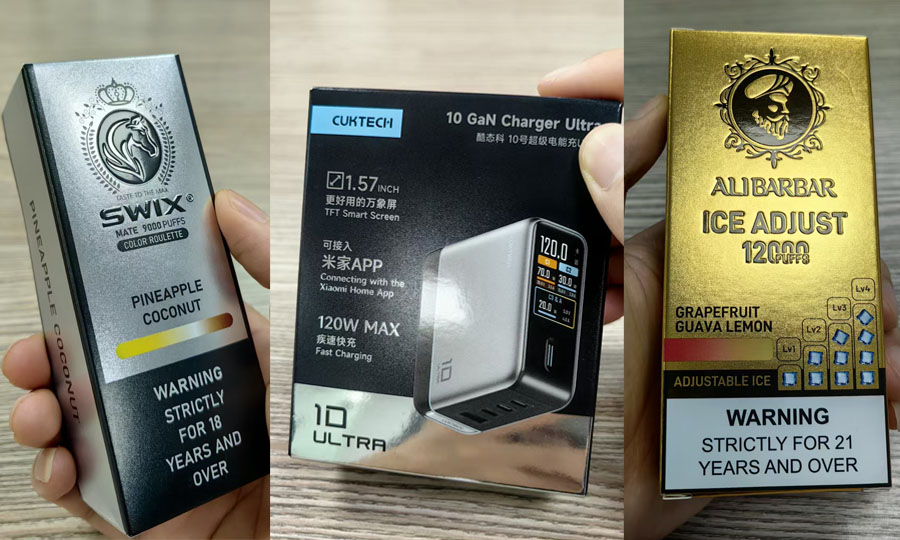
Spot UV Printing Specialty
Spot UV printing (local UV coating) applies glossy UV varnish to selected areas, cured by UV light for 3D texture. Learn types, process, screen vs flexo, and packaging uses....
Read more
Technical Specification on PVC & PET Film Boxes
Technical Specification on PVC & PET Film Boxes (Folding Boxes / Vacuum Formed Boxes)Scope: This specification covers raw material, sheet extrusion, printing, forming, die-cutting, gluing, finished product inspection and compliance requirements for transparent PVC and PET film boxes, including f...
Read more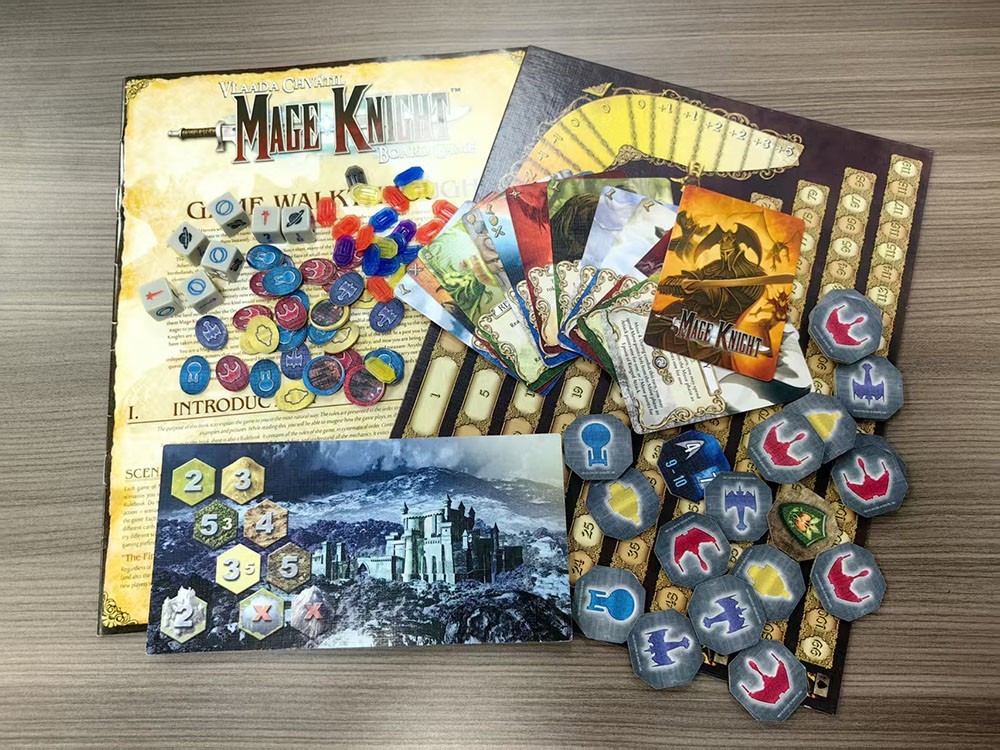
Custom Shaped Game Box Manufacturer in China: What Buyers Should Check Before Ordering
How I Shortlisted a China Custom Shaped Game Box Manufacturer (And Why Xingyuan Print Made the List)If you source board game or card game packaging from China, you already know the painful part:A “custom box” supplier can print a rectangle beautifully, but freeze when you send a hexagon collector...
Read more