
Board Games Production: Industry Standards and Best Practices

JINHAO XINGYUAN
Packaging Industry Analyst
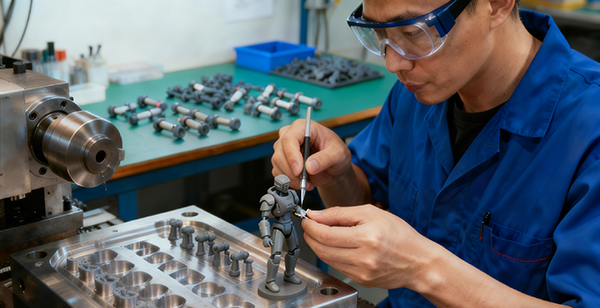
The global board games market is experiencing steady growth, driven by increasing demand for immersive, social, and high-quality tabletop experiences. For game designers, publishers, and entrepreneurs, mastering board games production is critical to transforming creative concepts into market-ready products that resonate with players. Board games production is a multifaceted process that requires precision, adherence to industry standards, and a deep understanding of materials, manufacturing techniques, and quality control—factors that directly influence product success and brand reputation.
In addition to executing top-tier board games production, optimizing your online presence for Google search is essential to stand out in a competitive landscape. This guide delves into the core principles of professional board games production, outlines industry best practices to ensure quality and efficiency, and provides actionable Google optimization strategies tailored to board games production businesses. All content aligns with Google’s 2026 E-E-A-T (Experience, Expertise, Authoritativeness, Trustworthiness) guidelines and search ranking criteria, ensuring your website gains visibility for the core keyword “board games production” and related high-intent terms.
Core Principles of Professional Board Games Production
Board games production differs significantly from other tabletop game manufacturing, as it involves diverse components—including game boards, tokens, dice, cards, rulebooks, and packaging—each requiring specialized production techniques. Professional board games production hinges on four core principles that ensure consistency, durability, and user satisfaction, while also supporting your Google optimization efforts by showcasing your expertise.
1.1 Material Selection: Balancing Quality, Durability, and Cost-Efficiency
The foundation of exceptional board games production lies in selecting the right materials, as they directly impact the game’s longevity, playability, and perceived value. For game boards, high-quality cardboard (2-ply or 3-ply) with a thickness of 1.5mm to 3mm is standard, often coated with matte or glossy lamination to resist wear, spills, and fading. Tokens and game pieces may be crafted from durable materials such as wood, plastic (ABS or PLA), or metal, depending on the game’s theme and target audience—luxury board games often use premium woods or custom-molded plastic for a premium feel.
Rulebooks and supplementary materials should use acid-free paper (80-120 gsm) to prevent yellowing over time, with clear, high-contrast printing for readability. Sustainable materials—such as recycled cardboard, biodegradable plastics, and soy-based inks—are increasingly important in modern board games production, as eco-conscious consumers and publishers prioritize environmentally friendly practices. Highlighting your use of sustainable materials in board games production not only appeals to target audiences but also enhances your E-E-A-T score for Google ranking.
1.2 Manufacturing Techniques: Precision and Consistency
Professional board games production requires specialized manufacturing techniques to ensure each component meets strict quality standards. Game board production typically involves die-cutting to achieve precise shapes, embossing or debossing for tactile detail, and lamination to protect the surface. For tokens and 3D game pieces, injection molding (for plastic) or laser cutting (for wood/metal) is used to ensure uniformity across all units—critical for fair gameplay and brand credibility.
Printing is another cornerstone of board games production, with offset printing preferred for large batches due to its consistency, color accuracy, and cost-efficiency. Digital printing is ideal for small runs or custom board games production, offering flexibility for personalized designs. Regardless of the printing method, color calibration is essential to ensure artwork matches the original design, as inconsistencies can undermine the game’s visual appeal and player experience. Partnering with a manufacturer with expertise in board games production—equipped with advanced printing and cutting machinery—ensures your product meets industry standards.
1.3 Quality Control: Mitigating Defects and Ensuring Uniformity
Quality control (QC) is non-negotiable in board games production, as even minor defects (e.g., misaligned die-cuts, smudged printing, or flimsy components) can damage your brand reputation and lead to customer dissatisfaction. A robust QC process should be integrated into every stage of board games production:
• Pre-production: Review material samples, test printing colors, and verify die-cut templates to ensure alignment with design specifications.
• In-production: Conduct regular inspections of components, checking for defects such as uneven lamination, incorrect sizing, or printing errors.
• Post-production: Inspect finished products for completeness (all components included), packaging integrity, and overall quality before shipping.
Documenting your QC processes and showcasing them on your website—e.g., “Our board games production undergoes 3-stage quality control to ensure 99.9% defect-free products”—strengthens your authority in Google’s eyes and builds trust with potential clients searching for “board games production” services.
1.4 Customization and Scalability: Adapting to Client Needs
Modern board games production must balance customization with scalability to cater to diverse client needs—from indie game designers with small batch orders to large publishers scaling up for global distribution. A professional board games production partner should offer flexible customization options, including custom game board sizes, unique token designs, personalized packaging, and variable print runs (minimum order quantities, or MOQs, as low as 500 units for small batches).
Scalability is equally important: as your client’s brand grows, your board games production capabilities should expand to accommodate larger orders without compromising quality or delivery timelines. Highlighting your ability to handle both custom, small-batch projects and large-scale production in your website content positions you as a versatile partner, making your site more relevant to users searching for “custom board games production” or “scalable board games manufacturing.”
Conclusion:
Professional board games production is a blend of art and science—requiring precision, quality materials, and a commitment to excellence. By adhering to industry standards, prioritizing quality control, and offering flexible customization, you can position your business as a trusted partner for game designers and publishers worldwide.
games production is a multifaceted process that requires precision, adherence to industry standards, and a deep understanding of materials, manufacturing techniques, and quality control—factors that directly influence product success and brand reputation."},"attribs":{"0":"*0+gl"}},"apool":{"numToAttrib":{"0":["author","1854200466640988"]},"nextNum":1}},"align":"left"}},"E6MffOX5WdrAPrcZgFLc8GWnnkc":{"id":"E6MffOX5WdrAPrcZgFLc8GWnnkc","snapshot":{"type":"text","parent_id":"BuPbfrGuKdC3D7c5FkdcXbKqnxh","comments":[],"revisions":[],"locked":false,"hidden":false,"author":"1854200466640988","children":[],"text":{"initialAttributedTexts":{"text":{"0":"In addition to executing top-tier board games production, optimizing your online presence for Google search is essential to stand out in a competitive landscape. This guide delves into the core principles of professional board games production, outlines industry best practices to ensure quality and efficiency, and provides actionable Google optimization strategies tailored to board games production businesses. All content aligns with Google’s 2026 E-E-A-T (Experience, Expertise, Authoritativeness, Trustworthiness) guidelines and search ranking criteria, ensuring your website gains visibility for the core keyword “board games production” and related high-intent terms."},"attribs":{"0":"*0+ir"}},"apool":{"numToAttrib":{"0":["author","1854200466640988"]},"nextNum":1}},"align":"left"}},"E8difGQNyd74MZcdoBZcD3vLnKg":{"id":"E8difGQNyd74MZcdoBZcD3vLnKg","snapshot":{"type":"heading2","parent_id":"BuPbfrGuKdC3D7c5FkdcXbKqnxh","comments":[],"revisions":[],"locked":false,"hidden":false,"author":"1854200466640988","children":[],"text":{"initialAttributedTexts":{"text":{"0":"1. Core Principles of Professional Board Games Production"},"attribs":{"0":"*0+1l"}},"apool":{"numToAttrib":{"0":["author","1854200466640988"]},"nextNum":1}},"align":"left"}},"YypHf0rGZdiLdVcUAoycsrRonVk":{"id":"YypHf0rGZdiLdVcUAoycsrRonVk","snapshot":{"type":"text","parent_id":"BuPbfrGuKdC3D7c5FkdcXbKqnxh","comments":[],"revisions":[],"locked":false,"hidden":false,"author":"1854200466640988","children":[],"text":{"initialAttributedTexts":{"text":{"0":"Board games production differs significantly from other tabletop game manufacturing, as it involves diverse components—including game boards, tokens, dice, cards, rulebooks, and packaging—each requiring specialized production techniques. Professional board games production hinges on four core principles that ensure consistency, durability, and user satisfaction, while also supporting your Google optimization efforts by showcasing your expertise."},"attribs":{"0":"*0+ch"}},"apool":{"numToAttrib":{"0":["author","1854200466640988"]},"nextNum":1}},"align":"left"}},"BDAzf7trBdY4V6cjRYfc9HvXngg":{"id":"BDAzf7trBdY4V6cjRYfc9HvXngg","snapshot":{"type":"heading3","parent_id":"BuPbfrGuKdC3D7c5FkdcXbKqnxh","comments":[],"revisions":[],"locked":false,"hidden":false,"author":"1854200466640988","children":[],"text":{"initialAttributedTexts":{"text":{"0":"1.1 Material Selection: Balancing Quality, Durability, and Cost-Efficiency"},"attribs":{"0":"*0+22"}},"apool":{"numToAttrib":{"0":["author","1854200466640988"]},"nextNum":1}},"align":"left"}},"DjOqfNd5Kd6wWHcNtbscXBHKnxe":{"id":"DjOqfNd5Kd6wWHcNtbscXBHKnxe","snapshot":{"type":"text","parent_id":"BuPbfrGuKdC3D7c5FkdcXbKqnxh","comments":[],"revisions":[],"locked":false,"hidden":false,"author":"1854200466640988","children":[],"text":{"initialAttributedTexts":{"text":{"0":"The foundation of exceptional board games production lies in selecting the right materials, as they directly impact the game’s longevity, playability, and perceived value. For game boards, high-quality cardboard (2-ply or 3-ply) with a thickness of 1.5mm to 3mm is standard, often coated with matte or glossy lamination to resist wear, spills, and fading. Tokens and game pieces may be crafted from durable materials such as wood, plastic (ABS or PLA), or metal, depending on the game’s theme and target audience—luxury board games often use premium woods or custom-molded plastic for a premium feel."},"attribs":{"0":"*0+go"}},"apool":{"numToAttrib":{"0":["author","1854200466640988"]},"nextNum":1}},"align":"left"}},"Ua8HfIMfWd62Wlc2ylLclZZvnzR":{"id":"Ua8HfIMfWd62Wlc2ylLclZZvnzR","snapshot":{"type":"text","parent_id":"BuPbfrGuKdC3D7c5FkdcXbKqnxh","comments":[],"revisions":[],"locked":false,"hidden":false,"author":"1854200466640988","children":[],"text":{"initialAttributedTexts":{"text":{"0":"Rulebooks and supplementary materials should use acid-free paper (80-120 gsm) to prevent yellowing over time, with clear, high-contrast printing for readability. Sustainable materials—such as recycled cardboard, biodegradable plastics, and soy-based inks—are increasingly important in modern board games production, as eco-conscious consumers and publishers prioritize environmentally friendly practices. Highlighting your use of sustainable materials in board games production not only appeals to target audiences but also enhances your E-E-A-T score for Google ranking."},"attribs":{"0":"*0+fv"}},"apool":{"numToAttrib":{"0":["author","1854200466640988"]},"nextNum":1}},"align":"left"}},"NScsfkH3HdCfRfcQy5lcLzV7ngf":{"id":"NScsfkH3HdCfRfcQy5lcLzV7ngf","snapshot":{"type":"heading3","parent_id":"BuPbfrGuKdC3D7c5FkdcXbKqnxh","comments":[],"revisions":[],"locked":false,"hidden":false,"author":"1854200466640988","children":[],"text":{"initialAttributedTexts":{"text":{"0":"1.2 Manufacturing Techniques: Precision and Consistency"},"attribs":{"0":"*0+1j"}},"apool":{"numToAttrib":{"0":["author","1854200466640988"]},"nextNum":1}},"align":"left"}},"E0XmfFYkbdnx64crTttcDnW8n8b":{"id":"E0XmfFYkbdnx64crTttcDnW8n8b","snapshot":{"type":"text","parent_id":"BuPbfrGuKdC3D7c5FkdcXbKqnxh","comments":[],"revisions":[],"locked":false,"hidden":false,"author":"1854200466640988","children":[],"text":{"initialAttributedTexts":{"text":{"0":"Professional board games production requires specialized manufacturing techniques to ensure each component meets strict quality standards. Game board production typically involves die-cutting to achieve precise shapes, embossing or debossing for tactile detail, and lamination to protect the surface. For tokens and 3D game pieces, injection molding (for plastic) or laser cutting (for wood/metal) is used to ensure uniformity across all units—critical for fair gameplay and brand credibility."},"attribs":{"0":"*0+dp"}},"apool":{"numToAttrib":{"0":["author","1854200466640988"]},"nextNum":1}},"align":"left"}},"YZaTfGS43dJpgQcBiTBcBeqynTh":{"id":"YZaTfGS43dJpgQcBiTBcBeqynTh","snapshot":{"type":"text","parent_id":"BuPbfrGuKdC3D7c5FkdcXbKqnxh","comments":[],"revisions":[],"locked":false,"hidden":false,"author":"1854200466640988","children":[],"text":{"initialAttributedTexts":{"text":{"0":"Printing is another cornerstone of board games production, with offset printing preferred for large batches due to its consistency, color accuracy, and cost-efficiency. Digital printing is ideal for small runs or custom board games production, offering flexibility for personalized designs. Regardless of the printing method, color calibration is essential to ensure artwork matches the original design, as inconsistencies can undermine the game’s visual appeal and player experience. Partnering with a manufacturer with expertise in board games production—equipped with advanced printing and cutting machinery—ensures your product meets industry standards."},"attribs":{"0":"*0+i9"}},"apool":{"numToAttrib":{"0":["author","1854200466640988"]},"nextNum":1}},"align":"left"}},"RIPVfAzuZdJraScWyXbciMe9nsg":{"id":"RIPVfAzuZdJraScWyXbciMe9nsg","snapshot":{"type":"heading3","parent_id":"BuPbfrGuKdC3D7c5FkdcXbKqnxh","comments":[],"revisions":[],"locked":false,"hidden":false,"author":"1854200466640988","children":[],"text":{"initialAttributedTexts":{"text":{"0":"1.3 Quality Control: Mitigating Defects and Ensuring Uniformity"},"attribs":{"0":"*0+1r"}},"apool":{"numToAttrib":{"0":["author","1854200466640988"]},"nextNum":1}},"align":"left"}},"JUmKfwUmRdmvzrcpt5mcP2ajn2g":{"id":"JUmKfwUmRdmvzrcpt5mcP2ajn2g","snapshot":{"type":"text","parent_id":"BuPbfrGuKdC3D7c5FkdcXbKqnxh","comments":[],"revisions":[],"locked":false,"hidden":false,"author":"1854200466640988","children":[],"text":{"initialAttributedTexts":{"text":{"0":"Quality control (QC) is non-negotiable in board games production, as even minor defects (e.g., misaligned die-cuts, smudged printing, or flimsy components) can damage your brand reputation and lead to customer dissatisfaction. A robust QC process should be integrated into every stage of board games production:"},"attribs":{"0":"*0+8n"}},"apool":{"numToAttrib":{"0":["author","1854200466640988"]},"nextNum":1}},"align":"left"}},"DQwNfNByAdc7jacEz58clBBzn2d":{"id":"DQwNfNByAdc7jacEz58clBBzn2d","snapshot":{"type":"text","parent_id":"BuPbfrGuKdC3D7c5FkdcXbKqnxh","comments":[],"revisions":[],"locked":false,"hidden":false,"author":"1854200466640988","children":[],"text":{"initialAttributedTexts":{"text":{"0":"• Pre-production: Review material samples, test printing colors, and verify die-cut templates to ensure alignment with design specifications."},"attribs":{"0":"*0+3x"}},"apool":{"numToAttrib":{"0":["author","1854200466640988"]},"nextNum":1}},"align":"left"}},"F58tfY0ZXdArHWcyJKycI0zInnh":{"id":"F58tfY0ZXdArHWcyJKycI0zInnh","snapshot":{"type":"text","parent_id":"BuPbfrGuKdC3D7c5FkdcXbKqnxh","comments":[],"revisions":[],"locked":false,"hidden":false,"author":"1854200466640988","children":[],"text":{"initialAttributedTexts":{"text":{"0":"• In-production: Conduct regular inspections of components, checking for defects such as uneven lamination, incorrect sizing, or printing errors."},"attribs":{"0":"*0+41"}},"apool":{"numToAttrib":{"0":["author","1854200466640988"]},"nextNum":1}},"align":"left"}},"AQIdfkcOjduUvCcvTA1cI9vznth":{"id":"AQIdfkcOjduUvCcvTA1cI9vznth","snapshot":{"type":"text","parent_id":"BuPbfrGuKdC3D7c5FkdcXbKqnxh","comments":[],"revisions":[],"locked":false,"hidden":false,"author":"1854200466640988","children":[],"text":{"initialAttributedTexts":{"text":{"0":"• Post-production: Inspect finished products for completeness (all components included), packaging integrity, and overall quality before shipping. "},"attribs":{"0":"*0+43"}},"apool":{"numToAttrib":{"0":["author","1854200466640988"]},"nextNum":1}},"align":"left"}},"N3nWfW598dTHTPcfMw5cmCXFnfc":{"id":"N3nWfW598dTHTPcfMw5cmCXFnfc","snapshot":{"type":"text","parent_id":"BuPbfrGuKdC3D7c5FkdcXbKqnxh","comments":[],"revisions":[],"locked":false,"hidden":false,"author":"1854200466640988","children":[],"text":{"initialAttributedTexts":{"text":{"0":"Documenting your QC processes and showcasing them on your website—e.g., “Our board games production undergoes 3-stage quality control to ensure 99.9% defect-free products”—strengthens your authority in Google’s eyes and builds trust with potential clients searching for “board games production” services."},"attribs":{"0":"*0+8g"}},"apool":{"numToAttrib":{"0":["author","1854200466640988"]},"nextNum":1}},"align":"left"}},"KHrUfstpjdxEFqcYBVXc8I0hnnb":{"id":"KHrUfstpjdxEFqcYBVXc8I0hnnb","snapshot":{"type":"heading3","parent_id":"BuPbfrGuKdC3D7c5FkdcXbKqnxh","comments":[],"revisions":[],"locked":false,"hidden":false,"author":"1854200466640988","children":[],"text":{"initialAttributedTexts":{"text":{"0":"1.4 Customization and Scalability: Adapting to Client Needs"},"attribs":{"0":"*0+1n"}},"apool":{"numToAttrib":{"0":["author","1854200466640988"]},"nextNum":1}},"align":"left"}},"HTOgfUPHGdC0VqcxGRwcKgpCnBf":{"id":"HTOgfUPHGdC0VqcxGRwcKgpCnBf","snapshot":{"type":"text","parent_id":"BuPbfrGuKdC3D7c5FkdcXbKqnxh","comments":[],"revisions":[],"locked":false,"hidden":false,"author":"1854200466640988","children":[],"text":{"initialAttributedTexts":{"text":{"0":"Modern board games production must balance customization with scalability to cater to diverse client needs—from indie game designers with small batch orders to large publishers scaling up for global distribution. A professional board games production partner should offer flexible customization options, including custom game board sizes, unique token designs, personalized packaging, and variable print runs (minimum order quantities, or MOQs, as low as 500 units for small batches)."},"attribs":{"0":"*0+dg"}},"apool":{"numToAttrib":{"0":["author","1854200466640988"]},"nextNum":1}},"align":"left"}},"MBmbfQ9jSdKjamcrAfkcvqWWnGc":{"id":"MBmbfQ9jSdKjamcrAfkcvqWWnGc","snapshot":{"type":"text","parent_id":"BuPbfrGuKdC3D7c5FkdcXbKqnxh","comments":[],"revisions":[],"locked":false,"hidden":false,"author":"1854200466640988","children":[],"text":{"initialAttributedTexts":{"text":{"0":"Scalability is equally important: as your client’s brand grows, your board games production capabilities should expand to accommodate larger orders without compromising quality or delivery timelines. Highlighting your ability to handle both custom, small-batch projects and large-scale production in your website content positions you as a versatile partner, making your site more relevant to users searching for “custom board games production” or “scalable board games manufacturing.”"},"attribs":{"0":"*0+dh"}},"apool":{"numToAttrib":{"0":["author","1854200466640988"]},"nextNum":1}},"align":"left"}},"Epl4fK2tfdrnRYcyXSTcquSEnzh":{"id":"Epl4fK2tfdrnRYcyXSTcquSEnzh","snapshot":{"type":"heading2","parent_id":"BuPbfrGuKdC3D7c5FkdcXbKqnxh","comments":[],"revisions":[],"locked":false,"hidden":false,"author":"1854200466640988","children":[],"text":{"initialAttributedTexts":{"text":{"0":"2. Google Optimization Strategies for Board Games Production Businesses (2026)"},"attribs":{"0":"*0+26"}},"apool":{"numToAttrib":{"0":["author","1854200466640988"]},"nextNum":1}},"align":"left"}},"JWuPfnekId1eC2chSmCcfh7Ln2c":{"id":"JWuPfnekId1eC2chSmCcfh7Ln2c","snapshot":{"type":"text","parent_id":"BuPbfrGuKdC3D7c5FkdcXbKqnxh","comments":[],"revisions":[],"locked":false,"hidden":false,"author":"1854200466640988","children":[],"text":{"initialAttributedTexts":{"text":{"0":"For businesses specializing in board games production, ranking well on Google for core keywords like “board games production,” “custom board games production,” and “board games manufacturing” is essential to attracting qualified leads—including game designers, publishers, and brands looking to launch tabletop game projects. Google’s 2026 algorithm prioritizes high-quality, original content, user experience, and E-E-A-T—here’s how to optimize your website to meet these standards:"},"attribs":{"0":"*0+df"}},"apool":{"numToAttrib":{"0":["author","1854200466640988"]},"nextNum":1}},"align":"left"}},"WwC2fQiDFdAJrUcCdTOcCDGhnrd":{"id":"WwC2fQiDFdAJrUcCdTOcCDGhnrd","snapshot":{"type":"heading3","parent_id":"BuPbfrGuKdC3D7c5FkdcXbKqnxh","comments":[],"revisions":[],"locked":false,"hidden":false,"author":"1854200466640988","children":[],"text":{"initialAttributedTexts":{"text":{"0":"2.1 Keyword Research & Strategic Placement"},"attribs":{"0":"*0+16"}},"apool":{"numToAttrib":{"0":["author","1854200466640988"]},"nextNum":1}},"align":"left"}},"EnU3fFCh3dDCq5cJqnLcTatWnF4":{"id":"EnU3fFCh3dDCq5cJqnLcTatWnF4","snapshot":{"type":"text","parent_id":"BuPbfrGuKdC3D7c5FkdcXbKqnxh","comments":[],"revisions":[],"locked":false,"hidden":false,"author":"1854200466640988","children":[],"text":{"initialAttributedTexts":{"text":{"0":"Start with targeted keyword research using tools like Google Keyword Planner, Ahrefs, and SEMrush to identify high-intent keywords relevant to board games production. Focus on long-tail keywords that align with your niche, as they have lower competition and higher conversion rates, such as:"},"attribs":{"0":"*0+83"}},"apool":{"numToAttrib":{"0":["author","1854200466640988"]},"nextNum":1}},"align":"left"}},"QkZwfvCxbdqIAAcsNk4cn0UInnc":{"id":"QkZwfvCxbdqIAAcsNk4cn0UInnc","snapshot":{"type":"text","parent_id":"BuPbfrGuKdC3D7c5FkdcXbKqnxh","comments":[],"revisions":[],"locked":false,"hidden":false,"author":"1854200466640988","children":[],"text":{"initialAttributedTexts":{"text":{"0":"• “Custom board games production for indie designers”"},"attribs":{"0":"*0+1h"}},"apool":{"numToAttrib":{"0":["author","1854200466640988"]},"nextNum":1}},"align":"left"}},"FsWZfswEDdnwJMcTPvdczM8NnJG":{"id":"FsWZfswEDdnwJMcTPvdczM8NnJG","snapshot":{"type":"text","parent_id":"BuPbfrGuKdC3D7c5FkdcXbKqnxh","comments":[],"revisions":[],"locked":false,"hidden":false,"author":"1854200466640988","children":[],"text":{"initialAttributedTexts":{"text":{"0":"• “Sustainable board games manufacturing”"},"attribs":{"0":"*0+15"}},"apool":{"numToAttrib":{"0":["author","1854200466640988"]},"nextNum":1}},"align":"left"}},"GeAffJ7iTdYM4CcRyNZcWtnxnYd":{"id":"GeAffJ7iTdYM4CcRyNZcWtnxnYd","snapshot":{"type":"text","parent_id":"BuPbfrGuKdC3D7c5FkdcXbKqnxh","comments":[],"revisions":[],"locked":false,"hidden":false,"author":"1854200466640988","children":[],"text":{"initialAttributedTexts":{"text":{"0":"• “High-quality board games production services”"},"attribs":{"0":"*0+1c"}},"apool":{"numToAttrib":{"0":["author","1854200466640988"]},"nextNum":1}},"align":"left"}},"LUXTfn6EHdzrLncfcmWcrlQGnmc":{"id":"LUXTfn6EHdzrLncfcmWcrlQGnmc","snapshot":{"type":"text","parent_id":"BuPbfrGuKdC3D7c5FkdcXbKqnxh","comments":[],"revisions":[],"locked":false,"hidden":false,"author":"1854200466640988","children":[],"text":{"initialAttributedTexts":{"text":{"0":"• “Board games production with low MOQs”"},"attribs":{"0":"*0+14"}},"apool":{"numToAttrib":{"0":["author","1854200466640988"]},"nextNum":1}},"align":"left"}},"LZIOfkNFad8cB1cUEAuc46N0nRc":{"id":"LZIOfkNFad8cB1cUEAuc46N0nRc","snapshot":{"type":"text","parent_id":"BuPbfrGuKdC3D7c5FkdcXbKqnxh","comments":[],"revisions":[],"locked":false,"hidden":false,"author":"1854200466640988","children":[],"text":{"initialAttributedTexts":{"text":{"0":"Naturally integrate “board games production” and related keywords into your website content—including page titles, meta descriptions, H1/H2/H3 headings, product/service pages, and blog posts. Avoid keyword stuffing (a violation of Google’s guidelines) by ensuring keywords flow organically within the context. For example, a meta description could read: “We specialize in professional board games production, offering custom designs, sustainable materials, and scalable manufacturing for indie designers and global publishers—delivering quality you can trust.”"},"attribs":{"0":"*0+fk"}},"apool":{"numToAttrib":{"0":["author","1854200466640988"]},"nextNum":1}},"align":"left"}},"Rj2EfFMbQd8dglcTSIUcxPlunhM":{"id":"Rj2EfFMbQd8dglcTSIUcxPlunhM","snapshot":{"type":"heading3","parent_id":"BuPbfrGuKdC3D7c5FkdcXbKqnxh","comments":[],"revisions":[],"locked":false,"hidden":false,"author":"1854200466640988","children":[],"text":{"initialAttributedTexts":{"text":{"0":"2.2 Build E-E-A-T with Expert Content"},"attribs":{"0":"*0+11"}},"apool":{"numToAttrib":{"0":["author","1854200466640988"]},"nextNum":1}},"align":"left"}},"ZtY8fh5FWdql2ucR8Znc6kNFnOf":{"id":"ZtY8fh5FWdql2ucR8Znc6kNFnOf","snapshot":{"type":"text","parent_id":"BuPbfrGuKdC3D7c5FkdcXbKqnxh","comments":[],"revisions":[],"locked":false,"hidden":false,"author":"1854200466640988","children":[],"text":{"initialAttributedTexts":{"text":{"0":"Google’s E-E-A-T principle is the foundation of ranking success for board games production businesses. To establish authority, create original, in-depth content that demonstrates your expertise in the industry:"},"attribs":{"0":"*0+5u"}},"apool":{"numToAttrib":{"0":["author","1854200466640988"]},"nextNum":1}},"align":"left"}},"IAOmfLbAedL3YHcbXVwck7hnnrd":{"id":"IAOmfLbAedL3YHcbXVwck7hnnrd","snapshot":{"type":"text","parent_id":"BuPbfrGuKdC3D7c5FkdcXbKqnxh","comments":[],"revisions":[],"locked":false,"hidden":false,"author":"1854200466640988","children":[],"text":{"initialAttributedTexts":{"text":{"0":"• Blog Posts: Write detailed articles about board games production, such as “The Ultimate Guide to Material Selection for Board Games Production,” “Common Defects in Board Games Production and How to Avoid Them,” or “Trends Shaping Board Games Manufacturing in 2026.” Include real-world examples, data, and expert insights to add value."},"attribs":{"0":"*0+9c"}},"apool":{"numToAttrib":{"0":["author","1854200466640988"]},"nextNum":1}},"align":"left"}},"OY84fS1Edd5BMAcva1ncRLg4nKg":{"id":"OY84fS1Edd5BMAcva1ncRLg4nKg","snapshot":{"type":"text","parent_id":"BuPbfrGuKdC3D7c5FkdcXbKqnxh","comments":[],"revisions":[],"locked":false,"hidden":false,"author":"1854200466640988","children":[],"text":{"initialAttributedTexts":{"text":{"0":"• Case Studies: Highlight successful board games production projects, including client testimonials, before-and-after images, and details about how you solved manufacturing challenges. For example, “How We Delivered 10,000 Custom Board Games for a Indie Publisher: A Board Games Production Success Story.”"},"attribs":{"0":"*0+8h"}},"apool":{"numToAttrib":{"0":["author","1854200466640988"]},"nextNum":1}},"align":"left"}},"Os8sfjJYcdXTYKcqdh2cSxTjn5c":{"id":"Os8sfjJYcdXTYKcqdh2cSxTjn5c","snapshot":{"type":"text","parent_id":"BuPbfrGuKdC3D7c5FkdcXbKqnxh","comments":[],"revisions":[],"locked":false,"hidden":false,"author":"1854200466640988","children":[],"text":{"initialAttributedTexts":{"text":{"0":"• Expert Bios: Feature your team’s credentials—include details about your production specialists’ years of experience in board games manufacturing, industry certifications, and past projects. This builds trust and strengthens your E-E-A-T score."},"attribs":{"0":"*0+6t"}},"apool":{"numToAttrib":{"0":["author","1854200466640988"]},"nextNum":1}},"align":"left"}},"AJWlft5QWdi8trcXwh0cxxLtnOe":{"id":"AJWlft5QWdi8trcXwh0cxxLtnOe","snapshot":{"type":"text","parent_id":"BuPbfrGuKdC3D7c5FkdcXbKqnxh","comments":[],"revisions":[],"locked":false,"hidden":false,"author":"1854200466640988","children":[],"text":{"initialAttributedTexts":{"text":{"0":"• Industry Resources: Create downloadable guides (e.g., “A Checklist for Board Games Production Quality Control”) or video tutorials (e.g., “How Board Games Are Made: A Step-by-Step Production Walkthrough”) to provide value to your audience and encourage engagement."},"attribs":{"0":"*0+7e"}},"apool":{"numToAttrib":{"0":["author","1854200466640988"]},"nextNum":1}},"align":"left"}},"X3UmfkCEJdirINc6RfbcOCXanxf":{"id":"X3UmfkCEJdirINc6RfbcOCXanxf","snapshot":{"type":"heading3","parent_id":"BuPbfrGuKdC3D7c5FkdcXbKqnxh","comments":[],"revisions":[],"locked":false,"hidden":false,"author":"1854200466640988","children":[],"text":{"initialAttributedTexts":{"text":{"0":"2.3 Optimize Website User Experience (UX)"},"attribs":{"0":"*0+15"}},"apool":{"numToAttrib":{"0":["author","1854200466640988"]},"nextNum":1}},"align":"left"}},"KSfXfCGSRdCsehcvWVgcTiYXnIb":{"id":"KSfXfCGSRdCsehcvWVgcTiYXnIb","snapshot":{"type":"text","parent_id":"BuPbfrGuKdC3D7c5FkdcXbKqnxh","comments":[],"revisions":[],"locked":false,"hidden":false,"author":"1854200466640988","children":[],"text":{"initialAttributedTexts":{"text":{"0":"Google prioritizes websites that offer a seamless, user-friendly experience—especially on mobile devices (mobile-first indexing). For board games production businesses, optimize your website with these UX best practices:"},"attribs":{"0":"*0+64"}},"apool":{"numToAttrib":{"0":["author","1854200466640988"]},"nextNum":1}},"align":"left"}},"ZeKtfGsSkdKvFTcuUbDc8fpfnXd":{"id":"ZeKtfGsSkdKvFTcuUbDc8fpfnXd","snapshot":{"type":"text","parent_id":"BuPbfrGuKdC3D7c5FkdcXbKqnxh","comments":[],"revisions":[],"locked":false,"hidden":false,"author":"1854200466640988","children":[],"text":{"initialAttributedTexts":{"text":{"0":"• Fast Loading Speed: Use Google PageSpeed Insights to ensure your website loads in 3 seconds or less. Compress images (especially high-resolution production photos), minimize CSS/JS files, and choose a reliable hosting provider to reduce load times."},"attribs":{"0":"*0+6y"}},"apool":{"numToAttrib":{"0":["author","1854200466640988"]},"nextNum":1}},"align":"left"}},"QLKbfNhDAd0XhFcaqGQc7Nhln6e":{"id":"QLKbfNhDAd0XhFcaqGQc7Nhln6e","snapshot":{"type":"text","parent_id":"BuPbfrGuKdC3D7c5FkdcXbKqnxh","comments":[],"revisions":[],"locked":false,"hidden":false,"author":"1854200466640988","children":[],"text":{"initialAttributedTexts":{"text":{"0":"• Responsive Design: Ensure your website adapts to all screen sizes (desktops, tablets, smartphones) so potential clients can easily browse your board games production services, portfolio, and contact information on any device."},"attribs":{"0":"*0+6b"}},"apool":{"numToAttrib":{"0":["author","1854200466640988"]},"nextNum":1}},"align":"left"}},"LzZSfenF7dojnncNafBcFx03n8e":{"id":"LzZSfenF7dojnncNafBcFx03n8e","snapshot":{"type":"text","parent_id":"BuPbfrGuKdC3D7c5FkdcXbKqnxh","comments":[],"revisions":[],"locked":false,"hidden":false,"author":"1854200466640988","children":[],"text":{"initialAttributedTexts":{"text":{"0":"• Clear Navigation: Organize your website with intuitive menus—e.g., “Home,” “Board Games Production Services,” “Portfolio,” “Case Studies,” “About Us,” “Contact Us.” Make it easy for users to find information about your production capabilities, materials, and customization options."},"attribs":{"0":"*0+7v"}},"apool":{"numToAttrib":{"0":["author","1854200466640988"]},"nextNum":1}},"align":"left"}},"Xr2Nff0fcddoFec2Jj9cuDPinEh":{"id":"Xr2Nff0fcddoFec2Jj9cuDPinEh","snapshot":{"type":"text","parent_id":"BuPbfrGuKdC3D7c5FkdcXbKqnxh","comments":[],"revisions":[],"locked":false,"hidden":false,"author":"1854200466640988","children":[],"text":{"initialAttributedTexts":{"text":{"0":"• High-Quality Visuals: Include high-resolution photos and videos of your board games production process, finished products, and manufacturing facilities. Visual content not only enhances user experience but also showcases your expertise in board games production."},"attribs":{"0":"*0+7c"}},"apool":{"numToAttrib":{"0":["author","1854200466640988"]},"nextNum":1}},"align":"left"}},"M5EDfZYsLdYquCcjlSucRPw9nTd":{"id":"M5EDfZYsLdYquCcjlSucRPw9nTd","snapshot":{"type":"heading3","parent_id":"BuPbfrGuKdC3D7c5FkdcXbKqnxh","comments":[],"revisions":[],"locked":false,"hidden":false,"author":"1854200466640988","children":[],"text":{"initialAttributedTexts":{"text":{"0":"2.4 Build High-Authority Backlinks"},"attribs":{"0":"*0+y"}},"apool":{"numToAttrib":{"0":["author","1854200466640988"]},"nextNum":1}},"align":"left"}},"DbdEfDGLXdhDlmcTTg2cNEtdnic":{"id":"DbdEfDGLXdhDlmcTTg2cNEtdnic","snapshot":{"type":"text","parent_id":"BuPbfrGuKdC3D7c5FkdcXbKqnxh","comments":[],"revisions":[],"locked":false,"hidden":false,"author":"1854200466640988","children":[],"text":{"initialAttributedTexts":{"text":{"0":"Backlinks from authoritative websites in the tabletop gaming and manufacturing industries signal to Google that your website is trustworthy and relevant to board games production. Focus on building high-quality backlinks through these strategies:"},"attribs":{"0":"*0+6u"}},"apool":{"numToAttrib":{"0":["author","1854200466640988"]},"nextNum":1}},"align":"left"}},"SrG5fkFKIdDmw4cOgCkcwDgInzb":{"id":"SrG5fkFKIdDmw4cOgCkcwDgInzb","snapshot":{"type":"text","parent_id":"BuPbfrGuKdC3D7c5FkdcXbKqnxh","comments":[],"revisions":[],"locked":false,"hidden":false,"author":"1854200466640988","children":[],"text":{"initialAttributedTexts":{"text":{"0":"• Guest Blogging: Contribute articles to gaming blogs, industry publications (e.g., Tabletop Gaming Magazine), or indie game creator communities. Write about topics related to board games production (e.g., “How to Choose a Board Games Production Partner”) and include a link back to your website."},"attribs":{"0":"*0+88"}},"apool":{"numToAttrib":{"0":["author","1854200466640988"]},"nextNum":1}},"align":"left"}},"JXDdfdnv2dqpLScOP3scUgUGnzb":{"id":"JXDdfdnv2dqpLScOP3scUgUGnzb","snapshot":{"type":"text","parent_id":"BuPbfrGuKdC3D7c5FkdcXbKqnxh","comments":[],"revisions":[],"locked":false,"hidden":false,"author":"1854200466640988","children":[],"text":{"initialAttributedTexts":{"text":{"0":"• B2B Directories: List your business on high-quality B2B directories relevant to manufacturing and gaming, such as Made-in-China, Alibaba, or industry-specific directories for tabletop games. Ensure your profile includes detailed information about your board games production services."},"attribs":{"0":"*0+7y"}},"apool":{"numToAttrib":{"0":["author","1854200466640988"]},"nextNum":1}},"align":"left"}},"LWGnfmeGDdQ66ScUDxrcjRdVnHg":{"id":"LWGnfmeGDdQ66ScUDxrcjRdVnHg","snapshot":{"type":"text","parent_id":"BuPbfrGuKdC3D7c5FkdcXbKqnxh","comments":[],"revisions":[],"locked":false,"hidden":false,"author":"1854200466640988","children":[],"text":{"initialAttributedTexts":{"text":{"0":"• Client Partnerships: Ask satisfied clients (game designers, publishers) to link to your website from their own sites or social media profiles. This not only builds backlinks but also drives targeted traffic from potential clients in the gaming industry."},"attribs":{"0":"*0+73"}},"apool":{"numToAttrib":{"0":["author","1854200466640988"]},"nextNum":1}},"align":"left"}},"NUcxfBJgodct2NcrlXPcOHdXnQt":{"id":"NUcxfBJgodct2NcrlXPcOHdXnQt","snapshot":{"type":"text","parent_id":"BuPbfrGuKdC3D7c5FkdcXbKqnxh","comments":[],"revisions":[],"locked":false,"hidden":false,"author":"1854200466640988","children":[],"text":{"initialAttributedTexts":{"text":{"0":"• Industry Associations: Join board games manufacturing associations or trade groups and link to your website from their member directories. This adds authority and relevance to your site in Google’s eyes."},"attribs":{"0":"*0+5p"}},"apool":{"numToAttrib":{"0":["author","1854200466640988"]},"nextNum":1}},"align":"left"}},"XB1mfwXUcdIWCLcu1qYca4C9nKe":{"id":"XB1mfwXUcdIWCLcu1qYca4C9nKe","snapshot":{"type":"heading3","parent_id":"BuPbfrGuKdC3D7c5FkdcXbKqnxh","comments":[],"revisions":[],"locked":false,"hidden":false,"author":"1854200466640988","children":[],"text":{"initialAttributedTexts":{"text":{"0":"2.5 Monitor and Optimize with Google Tools"},"attribs":{"0":"*0+16"}},"apool":{"numToAttrib":{"0":["author","1854200466640988"]},"nextNum":1}},"align":"left"}},"XnwQfYwZKd1Fflc2Jw4cd2Tknbg":{"id":"XnwQfYwZKd1Fflc2Jw4cd2Tknbg","snapshot":{"type":"text","parent_id":"BuPbfrGuKdC3D7c5FkdcXbKqnxh","comments":[],"revisions":[],"locked":false,"hidden":false,"author":"1854200466640988","children":[],"text":{"initialAttributedTexts":{"text":{"0":"Use Google Search Console (GSC) and Google Analytics to track your website’s performance for board games production keywords. Monitor key metrics such as:"},"attribs":{"0":"*0+4a"}},"apool":{"numToAttrib":{"0":["author","1854200466640988"]},"nextNum":1}},"align":"left"}},"NkFdftYeXdZ1uwclyzSc7zK4n9f":{"id":"NkFdftYeXdZ1uwclyzSc7zK4n9f","snapshot":{"type":"text","parent_id":"BuPbfrGuKdC3D7c5FkdcXbKqnxh","comments":[],"revisions":[],"locked":false,"hidden":false,"author":"1854200466640988","children":[],"text":{"initialAttributedTexts":{"text":{"0":"• Keyword rankings: Track how your site ranks for “board games production” and related terms, and identify opportunities to improve."},"attribs":{"0":"*0+3o"}},"apool":{"numToAttrib":{"0":["author","1854200466640988"]},"nextNum":1}},"align":"left"}},"Pk0gfg8Wid9Yp8cwZiRc44PMnzg":{"id":"Pk0gfg8Wid9Yp8cwZiRc44PMnzg","snapshot":{"type":"text","parent_id":"BuPbfrGuKdC3D7c5FkdcXbKqnxh","comments":[],"revisions":[],"locked":false,"hidden":false,"author":"1854200466640988","children":[],"text":{"initialAttributedTexts":{"text":{"0":"• Traffic and engagement: Analyze page views, bounce rates, and average session duration. If a page about “custom board games production” has a high bounce rate, update the content to be more detailed or engaging."},"attribs":{"0":"*0+5x"}},"apool":{"numToAttrib":{"0":["author","1854200466640988"]},"nextNum":1}},"align":"left"}},"Qi17ftuozd9hWocFyRWci56AnSb":{"id":"Qi17ftuozd9hWocFyRWci56AnSb","snapshot":{"type":"text","parent_id":"BuPbfrGuKdC3D7c5FkdcXbKqnxh","comments":[],"revisions":[],"locked":false,"hidden":false,"author":"1854200466640988","children":[],"text":{"initialAttributedTexts":{"text":{"0":"• Crawl errors: Use GSC to identify and fix crawl errors (e.g., broken links, 404 pages) that can hurt your Google ranking."},"attribs":{"0":"*0+3f"}},"apool":{"numToAttrib":{"0":["author","1854200466640988"]},"nextNum":1}},"align":"left"}},"OwSEfDZwndf33xcyqVRcntLvntd":{"id":"OwSEfDZwndf33xcyqVRcntLvntd","snapshot":{"type":"text","parent_id":"BuPbfrGuKdC3D7c5FkdcXbKqnxh","comments":[],"revisions":[],"locked":false,"hidden":false,"author":"1854200466640988","children":[],"text":{"initialAttributedTexts":{"text":{"0":"Regularly update your website with fresh content (e.g., monthly blog posts, new case studies, updated production capabilities) to keep Google crawlers engaged and improve your rankings over time."},"attribs":{"0":"*0+5f"}},"apool":{"numToAttrib":{"0":["author","1854200466640988"]},"nextNum":1}},"align":"left"}},"CXTjf4uxbdvKAicpniVcNZJ6nte":{"id":"CXTjf4uxbdvKAicpniVcNZJ6nte","snapshot":{"type":"heading2","parent_id":"BuPbfrGuKdC3D7c5FkdcXbKqnxh","comments":[],"revisions":[],"locked":false,"hidden":false,"author":"1854200466640988","children":[],"text":{"initialAttributedTexts":{"text":{"0":"3. Common Mistakes to Avoid in Board Games Production & Google Optimization"},"attribs":{"0":"*0+23"}},"apool":{"numToAttrib":{"0":["author","1854200466640988"]},"nextNum":1}},"align":"left"}},"Vzprf9TyKd91kqcivO9cYoRlnTy":{"id":"Vzprf9TyKd91kqcivO9cYoRlnTy","snapshot":{"type":"text","parent_id":"BuPbfrGuKdC3D7c5FkdcXbKqnxh","comments":[],"revisions":[],"locked":false,"hidden":false,"author":"1854200466640988","children":[],"text":{"initialAttributedTexts":{"text":{"0":"To maximize the success of your board games production business and Google optimization efforts, avoid these common pitfalls:"},"attribs":{"0":"*0+3h"}},"apool":{"numToAttrib":{"0":["author","1854200466640988"]},"nextNum":1}},"align":"left"}},"XAqefnmhLdEmtBcrCxPcr9Inntd":{"id":"XAqefnmhLdEmtBcrCxPcr9Inntd","snapshot":{"type":"text","parent_id":"BuPbfrGuKdC3D7c5FkdcXbKqnxh","comments":[],"revisions":[],"locked":false,"hidden":false,"author":"1854200466640988","children":[],"text":{"initialAttributedTexts":{"text":{"0":"• Cutting Corners on Materials: Using low-quality materials to reduce costs can lead to defective products, negative reviews, and damage to your brand reputation—this also weakens your E-E-A-T score for Google."},"attribs":{"0":"*0+5u"}},"apool":{"numToAttrib":{"0":["author","1854200466640988"]},"nextNum":1}},"align":"left"}},"NWtFfDdfHdBw0CcJ1GbcteE3nZc":{"id":"NWtFfDdfHdBw0CcJ1GbcteE3nZc","snapshot":{"type":"text","parent_id":"BuPbfrGuKdC3D7c5FkdcXbKqnxh","comments":[],"revisions":[],"locked":false,"hidden":false,"author":"1854200466640988","children":[],"text":{"initialAttributedTexts":{"text":{"0":"• Neglecting Quality Control: Skipping QC steps can result in inconsistent products, customer complaints, and returns—all of which harm your brand and make it harder to rank for “board games production.”"},"attribs":{"0":"*0+5n"}},"apool":{"numToAttrib":{"0":["author","1854200466640988"]},"nextNum":1}},"align":"left"}},"Sxq6ffmcodj1zYcJj5WcRwzAnxh":{"id":"Sxq6ffmcodj1zYcJj5WcRwzAnxh","snapshot":{"type":"text","parent_id":"BuPbfrGuKdC3D7c5FkdcXbKqnxh","comments":[],"revisions":[],"locked":false,"hidden":false,"author":"1854200466640988","children":[],"text":{"initialAttributedTexts":{"text":{"0":"• Using Generic or AI-Generated Content: Google penalizes low-quality, unoriginal content. Avoid generic text about board games production; instead, create unique, expert-driven content that serves your audience."},"attribs":{"0":"*0+5w"}},"apool":{"numToAttrib":{"0":["author","1854200466640988"]},"nextNum":1}},"align":"left"}},"QBG2fqmpEdMhHmc5KlGc3wURnXb":{"id":"QBG2fqmpEdMhHmc5KlGc3wURnXb","snapshot":{"type":"text","parent_id":"BuPbfrGuKdC3D7c5FkdcXbKqnxh","comments":[],"revisions":[],"locked":false,"hidden":false,"author":"1854200466640988","children":[],"text":{"initialAttributedTexts":{"text":{"0":"• Overlooking Local SEO: If your board games production business operates in a specific region (e.g., Dongguan, China), optimize for local keywords like “board games production in Dongguan” to attract local and international clients searching for regional manufacturing partners."},"attribs":{"0":"*0+7r"}},"apool":{"numToAttrib":{"0":["author","1854200466640988"]},"nextNum":1}},"align":"left"}},"S06EfbnDQdNJhFcEVdVcqTDKn7f":{"id":"S06EfbnDQdNJhFcEVdVcqTDKn7f","snapshot":{"type":"text","parent_id":"BuPbfrGuKdC3D7c5FkdcXbKqnxh","comments":[],"revisions":[],"locked":false,"hidden":false,"author":"1854200466640988","children":[],"text":{"initialAttributedTexts":{"text":{"0":"• Ignoring Mobile Optimization: A non-responsive website will rank poorly in Google’s mobile-first index, leading to lost traffic and potential clients."},"attribs":{"0":"*0+48"}},"apool":{"numToAttrib":{"0":["author","1854200466640988"]},"nextNum":1}},"align":"left"}},"ZLTxf3tEWdFe8bcOrJKcX6FCnue":{"id":"ZLTxf3tEWdFe8bcOrJKcX6FCnue","snapshot":{"type":"heading2","parent_id":"BuPbfrGuKdC3D7c5FkdcXbKqnxh","comments":[],"revisions":[],"locked":false,"hidden":false,"author":"1854200466640988","children":[],"text":{"initialAttributedTexts":{"text":{"0":"4. Conclusion: Elevate Your Board Games Production & Google Visibility"},"attribs":{"0":"*0+1y"}},"apool":{"numToAttrib":{"0":["author","1854200466640988"]},"nextNum":1}},"align":"left"}},"VzPyfGUCsdbrysc2mgVcIIwanxd":{"id":"VzPyfGUCsdbrysc2mgVcIIwanxd","snapshot":{"type":"text","parent_id":"BuPbfrGuKdC3D7c5FkdcXbKqnxh","comments":[],"revisions":[],"locked":false,"hidden":false,"author":"1854200466640988","children":[],"text":{"initialAttributedTexts":{"text":{"0":"Professional board games production is a blend of art and science—requiring precision, quality materials, and a commitment to excellence. By adhering to industry standards, prioritizing quality control, and offering flexible customization, you can position your business as a trusted partner for game designers and publishers worldwide."},"attribs":{"0":"*0+9c"}},"apool":{"numToAttrib":{"0":["author","1854200466640988"]},"nextNum":1}},"align":"left"}},"C86ufhHO4d1rU5cm4o6cTwUDnSd":{"id":"C86ufhHO4d1rU5cm4o6cTwUDnSd","snapshot":{"type":"text","parent_id":"BuPbfrGuKdC3D7c5FkdcXbKqnxh","comments":[],"revisions":[],"locked":false,"hidden":false,"author":"1854200466640988","children":[],"text":{"initialAttributedTexts":{"text":{"0":"For long-term growth, Google optimization is essential. By following 2026 Google guidelines—focusing on E-E-A-T, targeted keywords, user experience, and high-quality backlinks—you can improve your rankings for “board games production” and related terms, attract qualified leads, and establish your brand as an authority in the industry. In a market where demand for high-quality board games continues to grow, mastering both board games production and Google optimization will help you stand out, build lasting client relationships, and achieve sustainable success."},"attribs":{"0":"*0+fp"}},"apool":{"numToAttrib":{"0":["author","1854200466640988"]},"nextNum":1}},"align":"left"}}},"payloadMap":{"SofWf169ad0XZQcgikScmsmAnCe":{"level":1},"E6MffOX5WdrAPrcZgFLc8GWnnkc":{"level":1},"YypHf0rGZdiLdVcUAoycsrRonVk":{"level":1},"DjOqfNd5Kd6wWHcNtbscXBHKnxe":{"level":1},"Ua8HfIMfWd62Wlc2ylLclZZvnzR":{"level":1},"E0XmfFYkbdnx64crTttcDnW8n8b":{"level":1},"YZaTfGS43dJpgQcBiTBcBeqynTh":{"level":1},"JUmKfwUmRdmvzrcpt5mcP2ajn2g":{"level":1},"DQwNfNByAdc7jacEz58clBBzn2d":{"level":1},"F58tfY0ZXdArHWcyJKycI0zInnh":{"level":1},"AQIdfkcOjduUvCcvTA1cI9vznth":{"level":1},"N3nWfW598dTHTPcfMw5cmCXFnfc":{"level":1},"HTOgfUPHGdC0VqcxGRwcKgpCnBf":{"level":1},"MBmbfQ9jSdKjamcrAfkcvqWWnGc":{"level":1},"JWuPfnekId1eC2chSmCcfh7Ln2c":{"level":1},"EnU3fFCh3dDCq5cJqnLcTatWnF4":{"level":1},"QkZwfvCxbdqIAAcsNk4cn0UInnc":{"level":1},"FsWZfswEDdnwJMcTPvdczM8NnJG":{"level":1},"GeAffJ7iTdYM4CcRyNZcWtnxnYd":{"level":1},"LUXTfn6EHdzrLncfcmWcrlQGnmc":{"level":1},"LZIOfkNFad8cB1cUEAuc46N0nRc":{"level":1},"ZtY8fh5FWdql2ucR8Znc6kNFnOf":{"level":1},"IAOmfLbAedL3YHcbXVwck7hnnrd":{"level":1},"OY84fS1Edd5BMAcva1ncRLg4nKg":{"level":1},"Os8sfjJYcdXTYKcqdh2cSxTjn5c":{"level":1},"AJWlft5QWdi8trcXwh0cxxLtnOe":{"level":1},"KSfXfCGSRdCsehcvWVgcTiYXnIb":{"level":1},"ZeKtfGsSkdKvFTcuUbDc8fpfnXd":{"level":1},"QLKbfNhDAd0XhFcaqGQc7Nhln6e":{"level":1},"LzZSfenF7dojnncNafBcFx03n8e":{"level":1},"Xr2Nff0fcddoFec2Jj9cuDPinEh":{"level":1},"DbdEfDGLXdhDlmcTTg2cNEtdnic":{"level":1},"SrG5fkFKIdDmw4cOgCkcwDgInzb":{"level":1},"JXDdfdnv2dqpLScOP3scUgUGnzb":{"level":1},"LWGnfmeGDdQ66ScUDxrcjRdVnHg":{"level":1},"NUcxfBJgodct2NcrlXPcOHdXnQt":{"level":1},"XnwQfYwZKd1Fflc2Jw4cd2Tknbg":{"level":1},"NkFdftYeXdZ1uwclyzSc7zK4n9f":{"level":1},"Pk0gfg8Wid9Yp8cwZiRc44PMnzg":{"level":1},"Qi17ftuozd9hWocFyRWci56AnSb":{"level":1},"OwSEfDZwndf33xcyqVRcntLvntd":{"level":1},"Vzprf9TyKd91kqcivO9cYoRlnTy":{"level":1},"XAqefnmhLdEmtBcrCxPcr9Inntd":{"level":1},"NWtFfDdfHdBw0CcJ1GbcteE3nZc":{"level":1},"Sxq6ffmcodj1zYcJj5WcRwzAnxh":{"level":1},"QBG2fqmpEdMhHmc5KlGc3wURnXb":{"level":1},"S06EfbnDQdNJhFcEVdVcqTDKn7f":{"level":1},"VzPyfGUCsdbrysc2mgVcIIwanxd":{"level":1},"C86ufhHO4d1rU5cm4o6cTwUDnSd":{"level":1}},"extra":{"channel":"saas","pasteRandomId":"4d6de8e0-3550-41d0-9cd3-08ff2c8befdc","mention_page_title":{},"external_mention_url":{}},"isKeepQuoteContainer":false,"selection":[{"id":1,"type":"block","recordId":"BuPbfrGuKdC3D7c5FkdcXbKqnxh"},{"id":165,"type":"block","recordId":"SofWf169ad0XZQcgikScmsmAnCe"},{"id":166,"type":"block","recordId":"E6MffOX5WdrAPrcZgFLc8GWnnkc"},{"id":167,"type":"block","recordId":"E8difGQNyd74MZcdoBZcD3vLnKg"},{"id":168,"type":"block","recordId":"YypHf0rGZdiLdVcUAoycsrRonVk"},{"id":169,"type":"block","recordId":"BDAzf7trBdY4V6cjRYfc9HvXngg"},{"id":170,"type":"block","recordId":"DjOqfNd5Kd6wWHcNtbscXBHKnxe"},{"id":171,"type":"block","recordId":"Ua8HfIMfWd62Wlc2ylLclZZvnzR"},{"id":172,"type":"block","recordId":"NScsfkH3HdCfRfcQy5lcLzV7ngf"},{"id":173,"type":"block","recordId":"E0XmfFYkbdnx64crTttcDnW8n8b"},{"id":174,"type":"block","recordId":"YZaTfGS43dJpgQcBiTBcBeqynTh"},{"id":175,"type":"block","recordId":"RIPVfAzuZdJraScWyXbciMe9nsg"},{"id":176,"type":"block","recordId":"JUmKfwUmRdmvzrcpt5mcP2ajn2g"},{"id":177,"type":"block","recordId":"DQwNfNByAdc7jacEz58clBBzn2d"},{"id":178,"type":"block","recordId":"F58tfY0ZXdArHWcyJKycI0zInnh"},{"id":179,"type":"block","recordId":"AQIdfkcOjduUvCcvTA1cI9vznth"},{"id":180,"type":"block","recordId":"N3nWfW598dTHTPcfMw5cmCXFnfc"},{"id":181,"type":"block","recordId":"KHrUfstpjdxEFqcYBVXc8I0hnnb"},{"id":182,"type":"block","recordId":"HTOgfUPHGdC0VqcxGRwcKgpCnBf"},{"id":183,"type":"block","recordId":"MBmbfQ9jSdKjamcrAfkcvqWWnGc"},{"id":184,"type":"block","recordId":"Epl4fK2tfdrnRYcyXSTcquSEnzh"},{"id":185,"type":"block","recordId":"JWuPfnekId1eC2chSmCcfh7Ln2c"},{"id":186,"type":"block","recordId":"WwC2fQiDFdAJrUcCdTOcCDGhnrd"},{"id":187,"type":"block","recordId":"EnU3fFCh3dDCq5cJqnLcTatWnF4"},{"id":188,"type":"block","recordId":"QkZwfvCxbdqIAAcsNk4cn0UInnc"},{"id":189,"type":"block","recordId":"FsWZfswEDdnwJMcTPvdczM8NnJG"},{"id":190,"type":"block","recordId":"GeAffJ7iTdYM4CcRyNZcWtnxnYd"},{"id":191,"type":"block","recordId":"LUXTfn6EHdzrLncfcmWcrlQGnmc"},{"id":192,"type":"block","recordId":"LZIOfkNFad8cB1cUEAuc46N0nRc"},{"id":193,"type":"block","recordId":"Rj2EfFMbQd8dglcTSIUcxPlunhM"},{"id":194,"type":"block","recordId":"ZtY8fh5FWdql2ucR8Znc6kNFnOf"},{"id":195,"type":"block","recordId":"IAOmfLbAedL3YHcbXVwck7hnnrd"},{"id":196,"type":"block","recordId":"OY84fS1Edd5BMAcva1ncRLg4nKg"},{"id":197,"type":"block","recordId":"Os8sfjJYcdXTYKcqdh2cSxTjn5c"},{"id":198,"type":"block","recordId":"AJWlft5QWdi8trcXwh0cxxLtnOe"},{"id":199,"type":"block","recordId":"X3UmfkCEJdirINc6RfbcOCXanxf"},{"id":200,"type":"block","recordId":"KSfXfCGSRdCsehcvWVgcTiYXnIb"},{"id":201,"type":"block","recordId":"ZeKtfGsSkdKvFTcuUbDc8fpfnXd"},{"id":202,"type":"block","recordId":"QLKbfNhDAd0XhFcaqGQc7Nhln6e"},{"id":203,"type":"block","recordId":"LzZSfenF7dojnncNafBcFx03n8e"},{"id":204,"type":"block","recordId":"Xr2Nff0fcddoFec2Jj9cuDPinEh"},{"id":205,"type":"block","recordId":"M5EDfZYsLdYquCcjlSucRPw9nTd"},{"id":206,"type":"block","recordId":"DbdEfDGLXdhDlmcTTg2cNEtdnic"},{"id":207,"type":"block","recordId":"SrG5fkFKIdDmw4cOgCkcwDgInzb"},{"id":208,"type":"block","recordId":"JXDdfdnv2dqpLScOP3scUgUGnzb"},{"id":209,"type":"block","recordId":"LWGnfmeGDdQ66ScUDxrcjRdVnHg"},{"id":210,"type":"block","recordId":"NUcxfBJgodct2NcrlXPcOHdXnQt"},{"id":211,"type":"block","recordId":"XB1mfwXUcdIWCLcu1qYca4C9nKe"},{"id":212,"type":"block","recordId":"XnwQfYwZKd1Fflc2Jw4cd2Tknbg"},{"id":213,"type":"block","recordId":"NkFdftYeXdZ1uwclyzSc7zK4n9f"},{"id":214,"type":"block","recordId":"Pk0gfg8Wid9Yp8cwZiRc44PMnzg"},{"id":215,"type":"block","recordId":"Qi17ftuozd9hWocFyRWci56AnSb"},{"id":216,"type":"block","recordId":"OwSEfDZwndf33xcyqVRcntLvntd"},{"id":217,"type":"block","recordId":"CXTjf4uxbdvKAicpniVcNZJ6nte"},{"id":218,"type":"block","recordId":"Vzprf9TyKd91kqcivO9cYoRlnTy"},{"id":219,"type":"block","recordId":"XAqefnmhLdEmtBcrCxPcr9Inntd"},{"id":220,"type":"block","recordId":"NWtFfDdfHdBw0CcJ1GbcteE3nZc"},{"id":221,"type":"block","recordId":"Sxq6ffmcodj1zYcJj5WcRwzAnxh"},{"id":222,"type":"block","recordId":"QBG2fqmpEdMhHmc5KlGc3wURnXb"},{"id":223,"type":"block","recordId":"S06EfbnDQdNJhFcEVdVcqTDKn7f"},{"id":224,"type":"block","recordId":"ZLTxf3tEWdFe8bcOrJKcX6FCnue"},{"id":225,"type":"block","recordId":"VzPyfGUCsdbrysc2mgVcIIwanxd"},{"id":226,"type":"block","recordId":"C86ufhHO4d1rU5cm4o6cTwUDnSd"}],"pasteFlag":"74647960-36c3-43b9-9e99-634cce642401"}" data-lark-record-format="docx/record" class="lark-record-clipboard">
You May Also Like
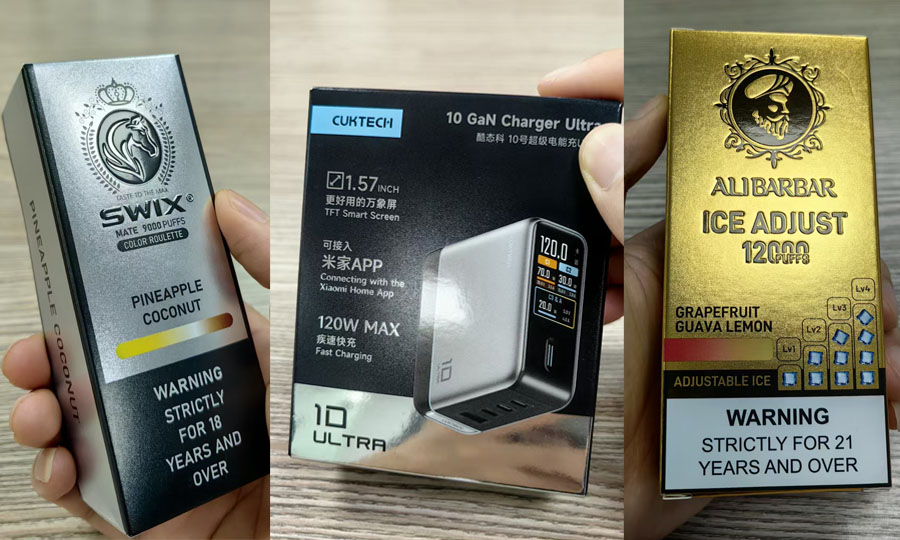
Spot UV Printing Specialty
Spot UV printing (local UV coating) applies glossy UV varnish to selected areas, cured by UV light for 3D texture. Learn types, process, screen vs flexo, and packaging uses....
Read more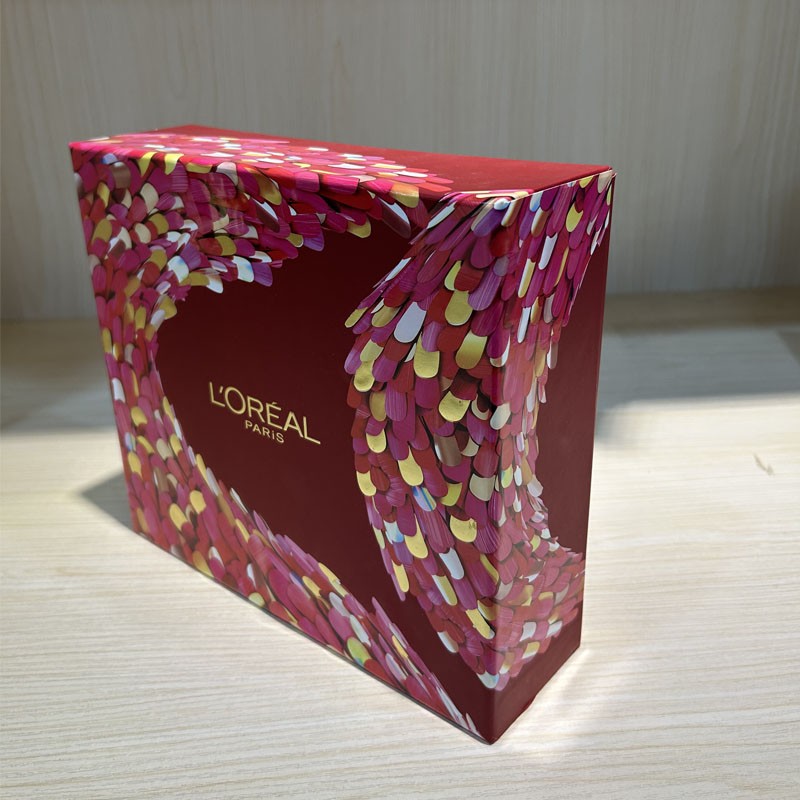
Custom Color Box Manufacturer | Printed Color Boxes, Low MOQ, Factory Direct
We are a custom color box manufacturer making printed folding cartons, mailer boxes, rigid color boxes and retail packaging. CMYK/Pantone printing, kraft & cardboard, samples before bulk, 7–20 days production....
Read more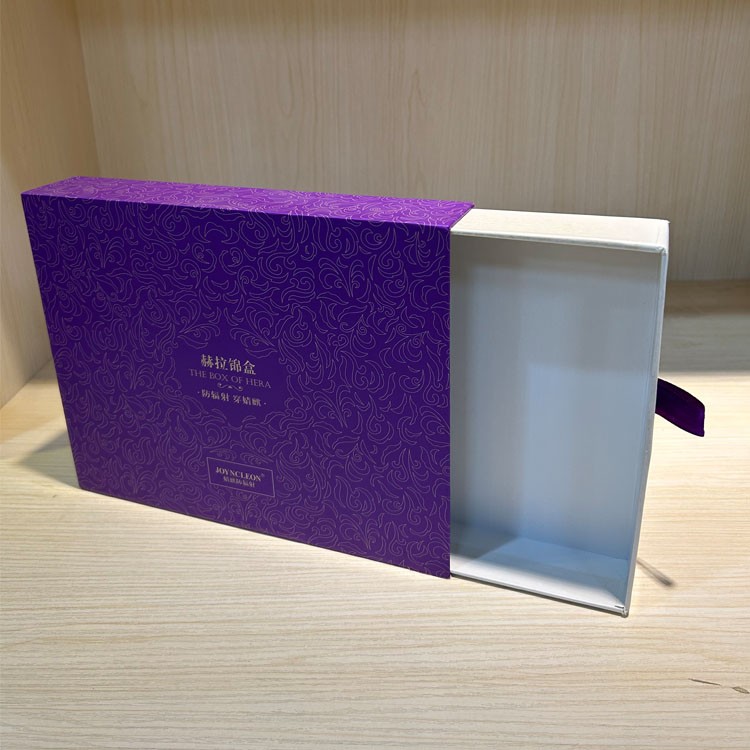
Colored Packaging Box Manufacturing | Custom Printed Color Box Manufacturer
We specialize in colored packaging box manufacturing with advanced CMYK & Pantone printing, offering eco-friendly kraft, corrugated, and rigid color boxes. Custom sizes, low MOQ, and worldwide shipping for retail, e-commerce, and gift brands....
Read more